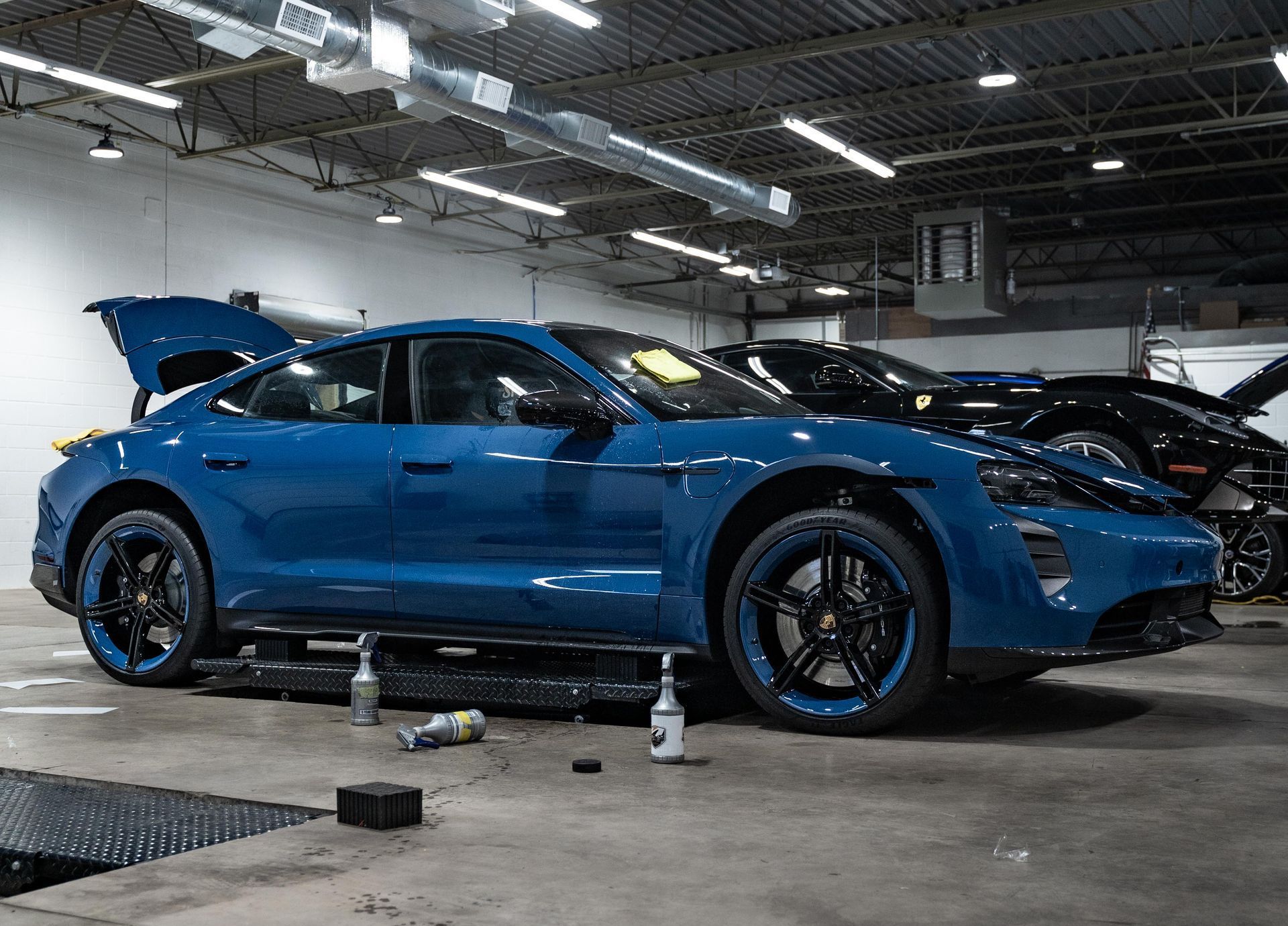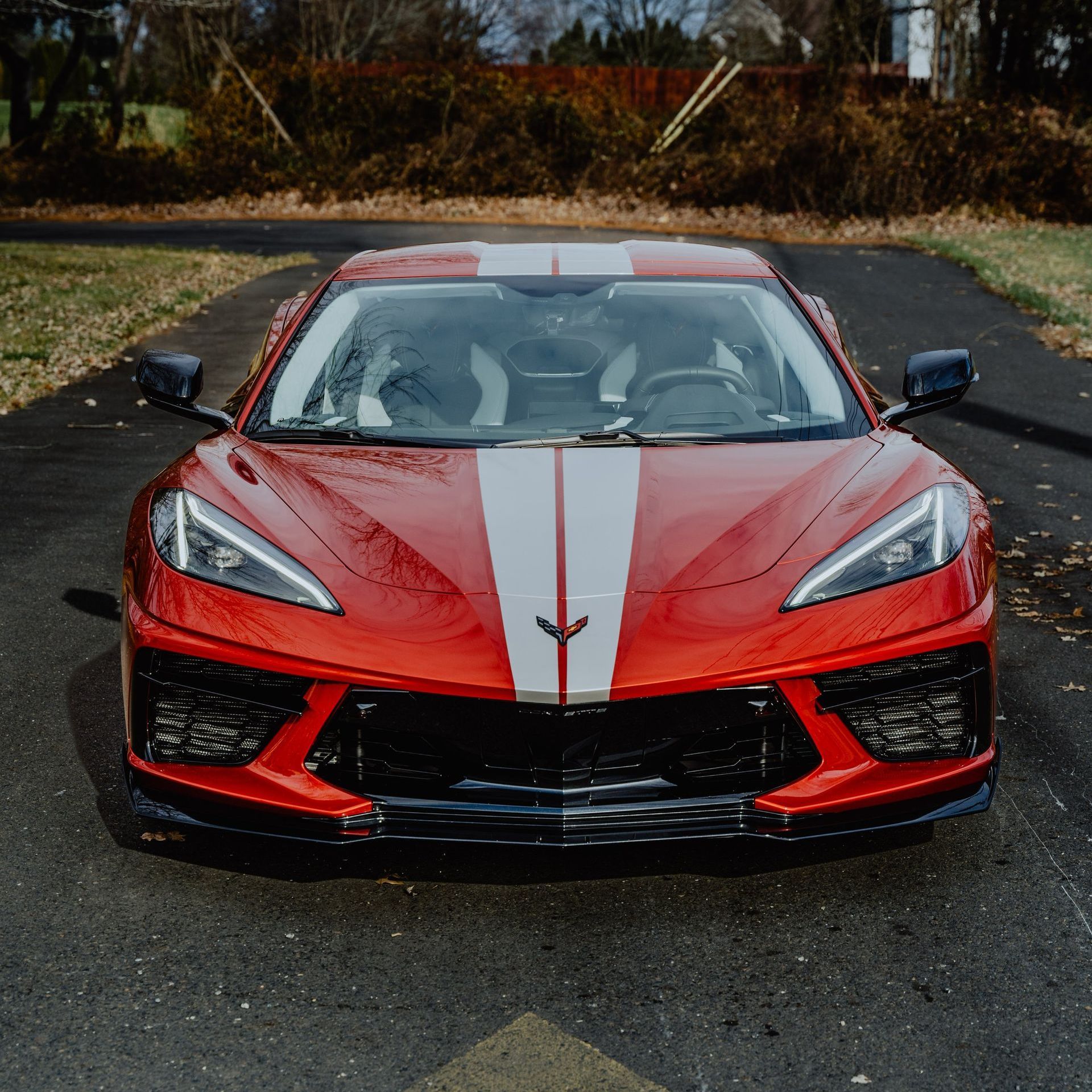
Does Auto Paint Protection Film Work Against Pennsylvania Road Debris and Stone Chips?
Pennsylvania roads are not gentle on vehicle exteriors. Loose gravel off construction zones, highway debris kicked up by trucks, road salt residue, and flying stones are everyday realities for Bucks County and greater Philadelphia drivers. The front end of any vehicle doing regular highway miles here takes a beating that builds steadily over time, one chip at a time.
Auto paint protection film is the product built specifically for this problem. Not a coating, not a sealant, but a physical film that sits between the paint and whatever the road throws at it. Here is how it actually works, what it protects against on Pennsylvania roads, and why the installation details matter as much as the product itself.
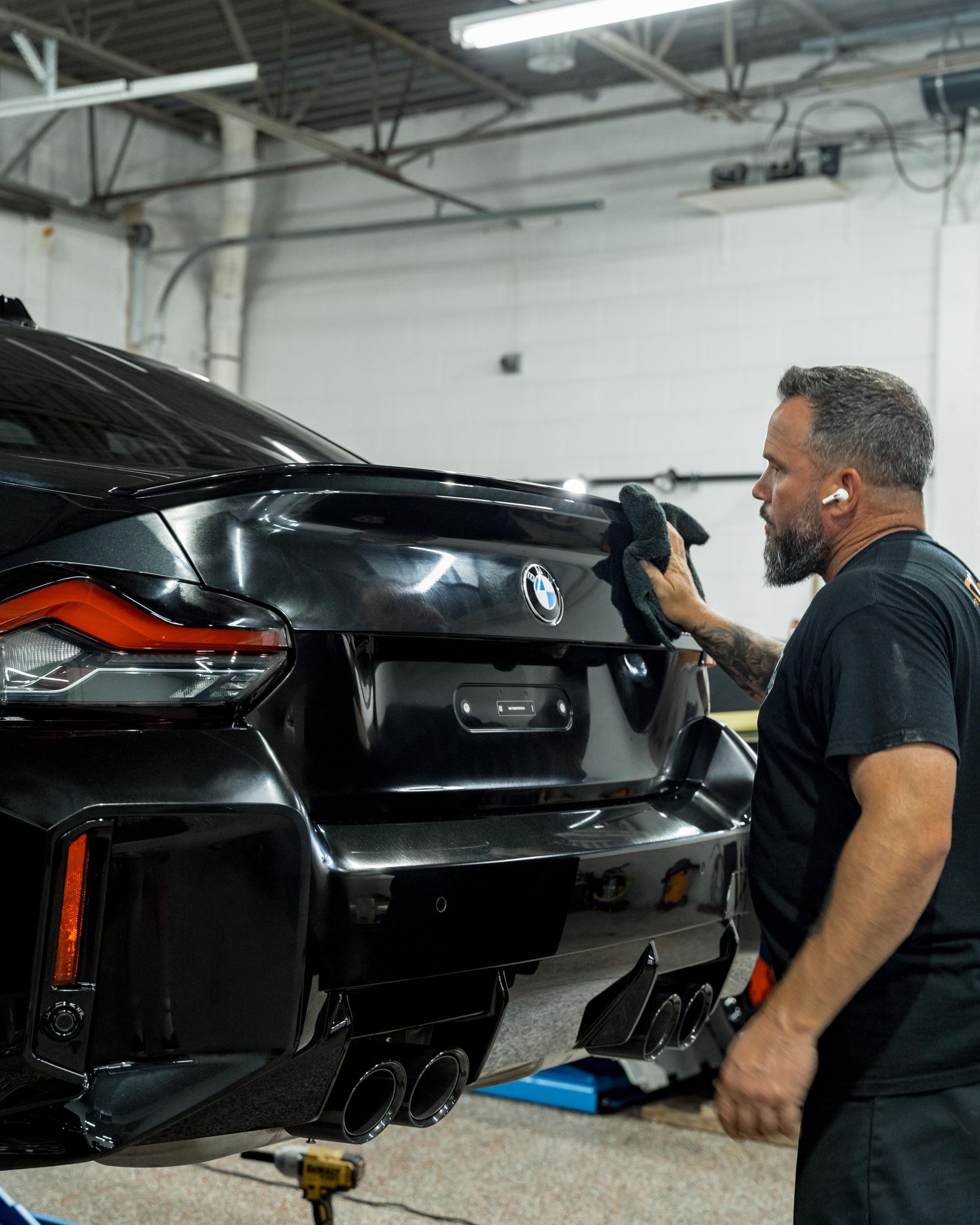
At Menard Premium Detailing in Warminster, the team installs STEK PPF as a certified STEK Black Label Installer and has been protecting vehicles from Pennsylvania road conditions since 2015.
How Auto Paint Protection Film Creates a Physical Shield
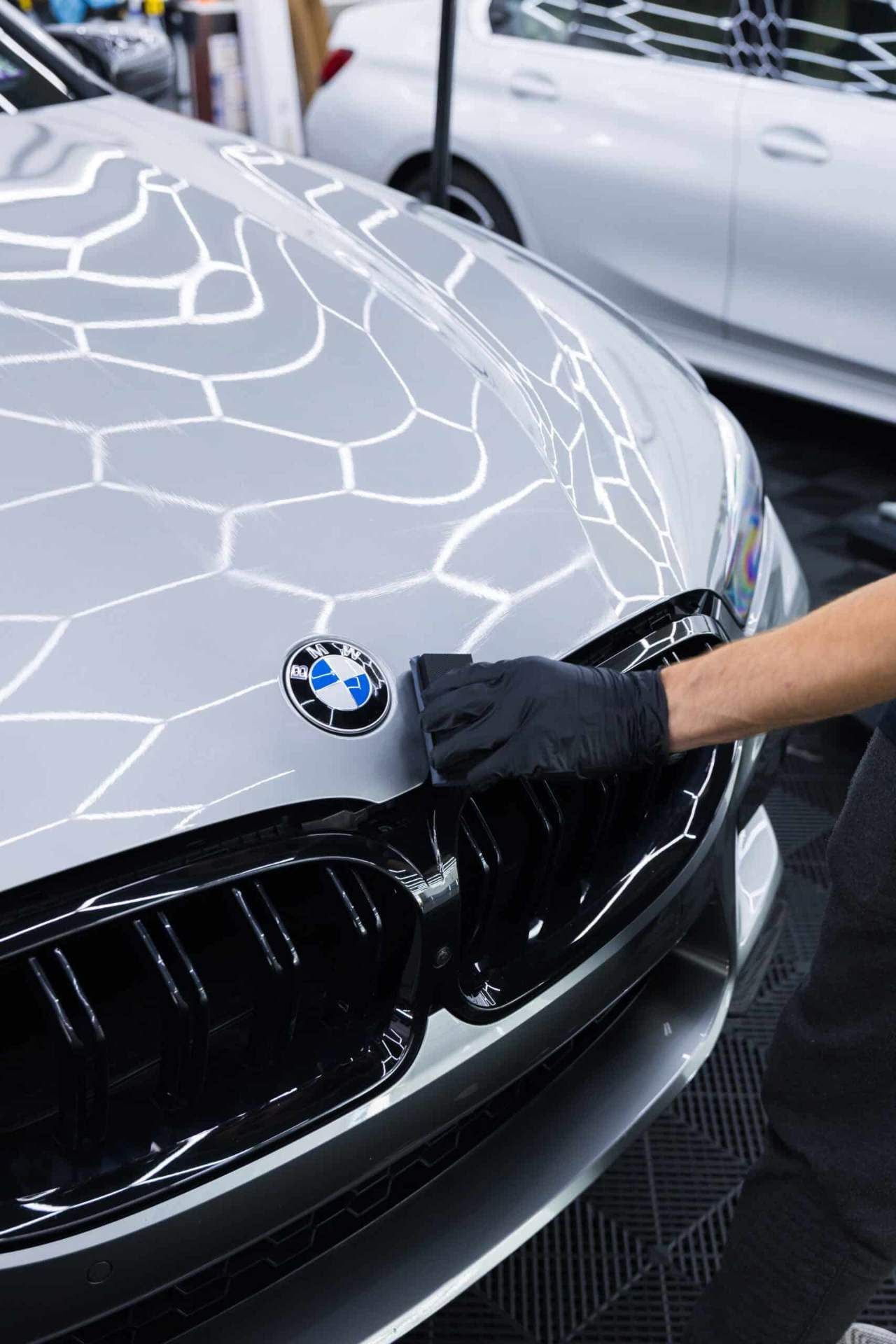
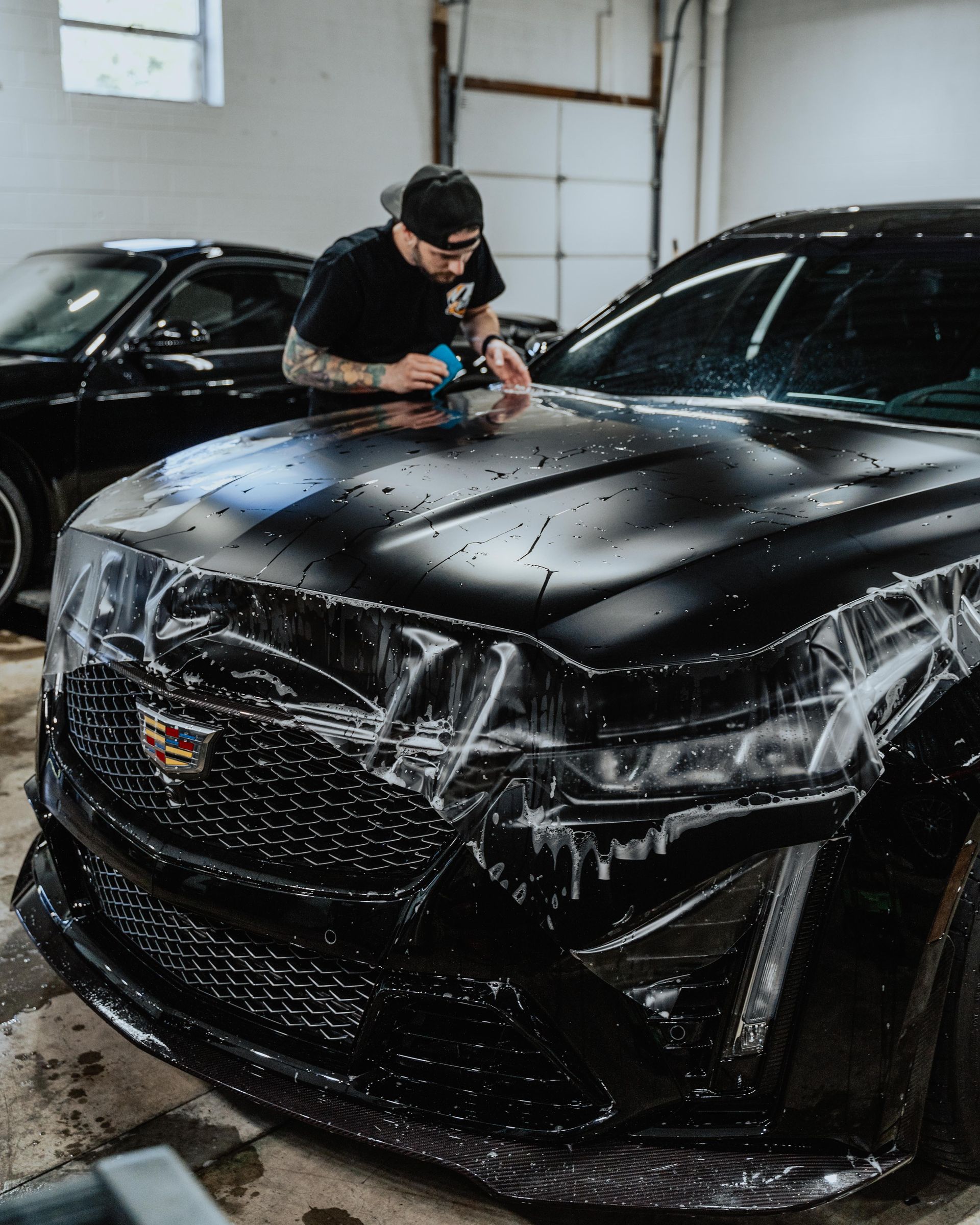
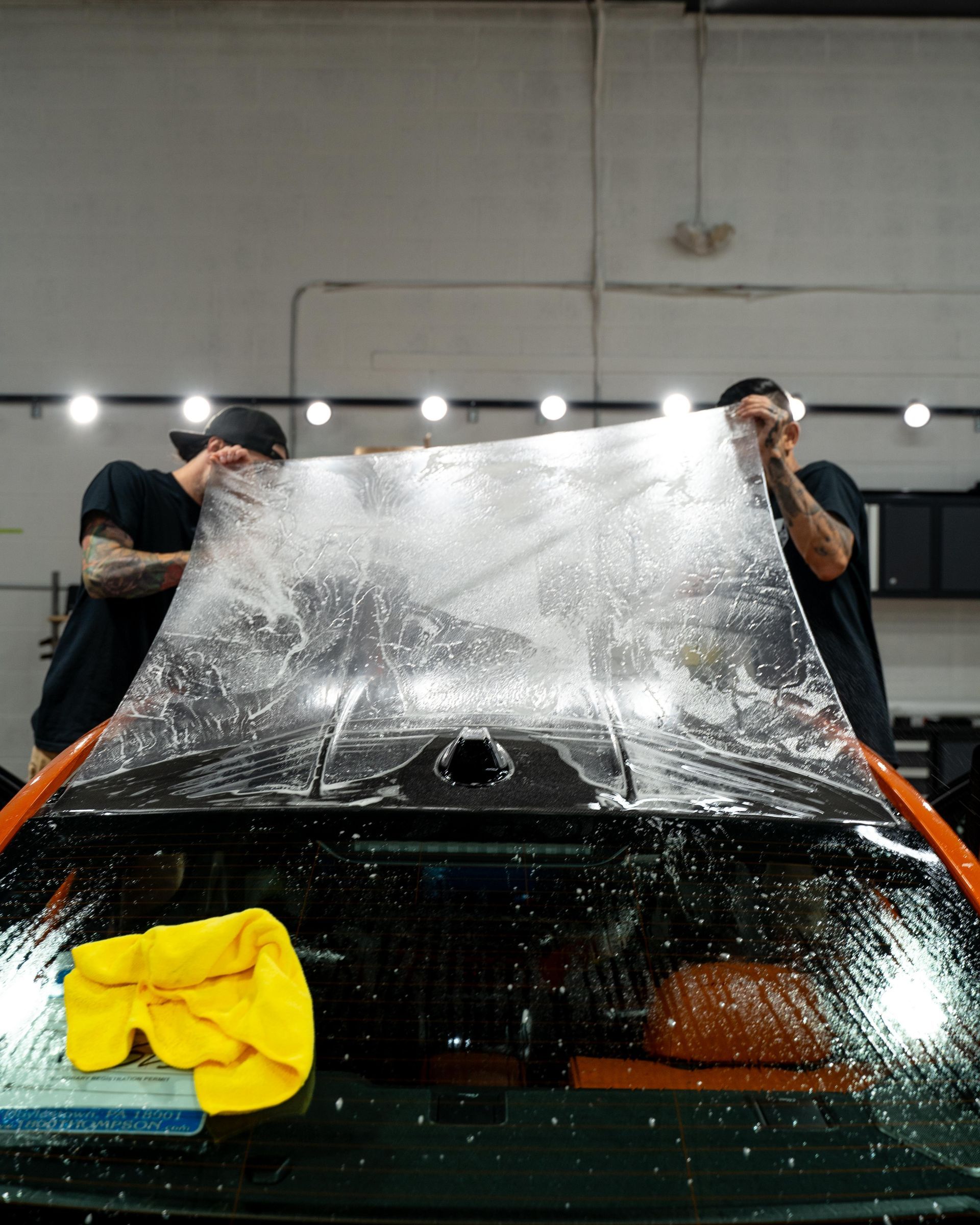
The core principle of auto paint protection film is straightforward. The film is a transparent thermoplastic urethane material applied directly over the vehicle's painted surfaces. Once installed, it acts as the first point of contact between the paint and any incoming road hazard. The film absorbs the energy of impact rather than the paint absorbing it.
The STEK PPF products installed at Menard Premium Detailing are 8 mils thick. That thickness is substantial enough to absorb the impact of airborne gravel, road debris, and flying stones that would otherwise break through clear coat and expose the base coat beneath. The film is virtually invisible once installed, so it preserves the factory finish and appearance while adding that protective layer. Learn more about STEK film technology before booking your consultation.
What separates PPF from a ceramic coating or wax is the physical nature of the protection. Wax and ceramic coating create surface treatments that resist chemical contamination and UV damage well, but neither can absorb the physical force of a rock chip. PPF is the only product that can.
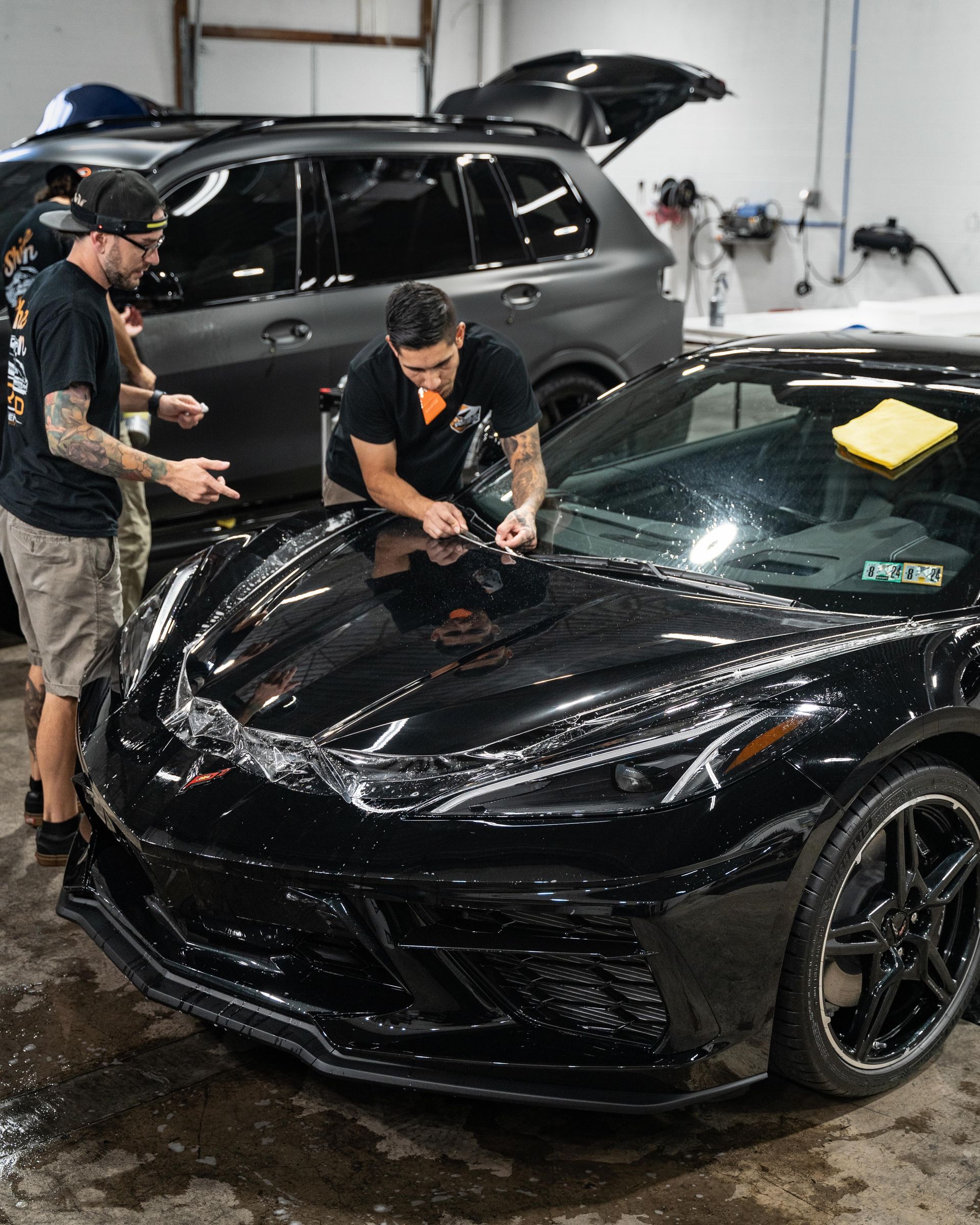
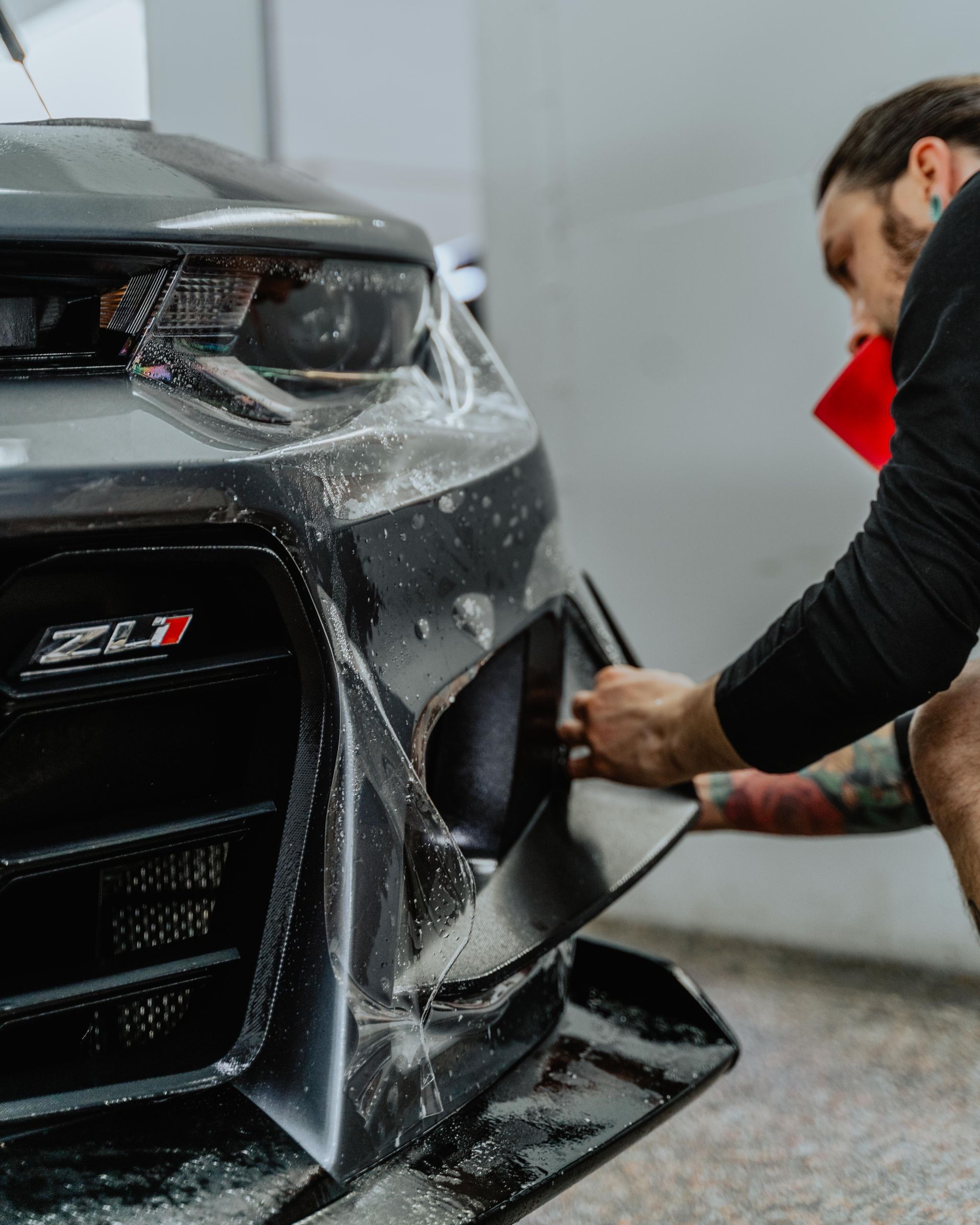
Rock Chip Protection: What PPF Actually Stops
Rock chip protection is the primary reason most Pennsylvania drivers consider PPF. On highway speeds, even a small piece of gravel hitting an unprotected hood or bumper can create a chip that goes all the way through the clear coat. Left unaddressed, that chip is an entry point for moisture and oxidation.
The Menard Premium Detailing site is specific about what PPF defends against:
- Road debris and rock chips on highways
- Nicks from airborne hazards during regular driving
- Swirl marks and surface marks in the clear coat
- Bug splatter and organic staining
- UV rays, preventing fading and oxidation
- Stains that would otherwise require paint correction to fix
The Menard Premium Detailing PPF packages page describes the Level 1 package as designed specifically for "the casual, daily driver seeking reliable protection from the wear and tear of navigating the challenging and unforgiving Pennsylvania roads." That language reflects what Pennsylvania drivers actually face.
Beyond chips, the Menard Premium Detailing NJ page confirms that PPF shields paint from light hail and low-speed scrapes as well, making it a broader defense against the physical impacts that come with real-world driving.
Clear Bra Protection: The Transparent Finish That Preserves the Look
One of the most common hesitations about PPF is whether it will affect how the vehicle looks. This is why clear bra protection has become the term many drivers use for PPF: it is a clear, nearly invisible layer that protects without altering the paint beneath.
The Menard Premium Detailing site confirms that STEK PPF is virtually invisible once professionally installed and seamlessly blends with the vehicle's color. STEK PPF is available in DYNOshield (gloss) and DYNOmatte (satin) finishes to match the original paint type. Explore the full range of PPF packages to find the right coverage tier for your vehicle.
Highway Paint Protection: Which Package Matches Your Driving?
Not every driver needs the same level of coverage. The Menard Premium Detailing PPF packages are structured around real-world driving patterns:
Level 1 (Quarter Front): Designed for the casual daily driver seeking protection from Pennsylvania roads. Covers the highest-impact area at the front of the vehicle.
Level 2 (Full Front): Menard Premium Detailing top-selling option. Covers hood, fenders, and mirrors, the panels that absorb the most road debris in highway paint protection situations. The right choice for drivers who regularly cover highway miles.
Level 3 (Protection Plus/Highway): Expands beyond the front with rocker panel coverage, A-pillar protection, the front portion of the roof, and behind the rear bumper. Built for drivers who want broader coverage given sustained highway exposure.
Level 4 (Full Body): Available in gloss or satin for both new and preowned vehicles. Every painted panel on the vehicle is covered and protected.
PPF Benefits for Pennsylvania Vehicles
The PPF benefits that matter most for Pennsylvania drivers go beyond stopping individual rock chips. They compound over the life of the vehicle:
- Reduced paint correction costs: The Menard Premium Detailing site confirms that PPF reduces the need for auto details and paint correction. Preventing chips means never needing to pay for the correction work those chips would have required
- Self-healing surface: STEK PPF has self-healing properties that activate with warmth from sun exposure or warm water. Minor surface marks from routine driving resolve on their own without any action required
- Preserved resale value: A vehicle with clean, original paint commands more at trade-in or sale than a vehicle showing chips and repairs
- UV protection: PPF also filters UV rays, preventing fading and oxidation from extended sun exposure in addition to handling physical road hazards
- Warranty backed: STEK products carry a 10-year warranty covering delamination, yellowing, bubbling, and cracking
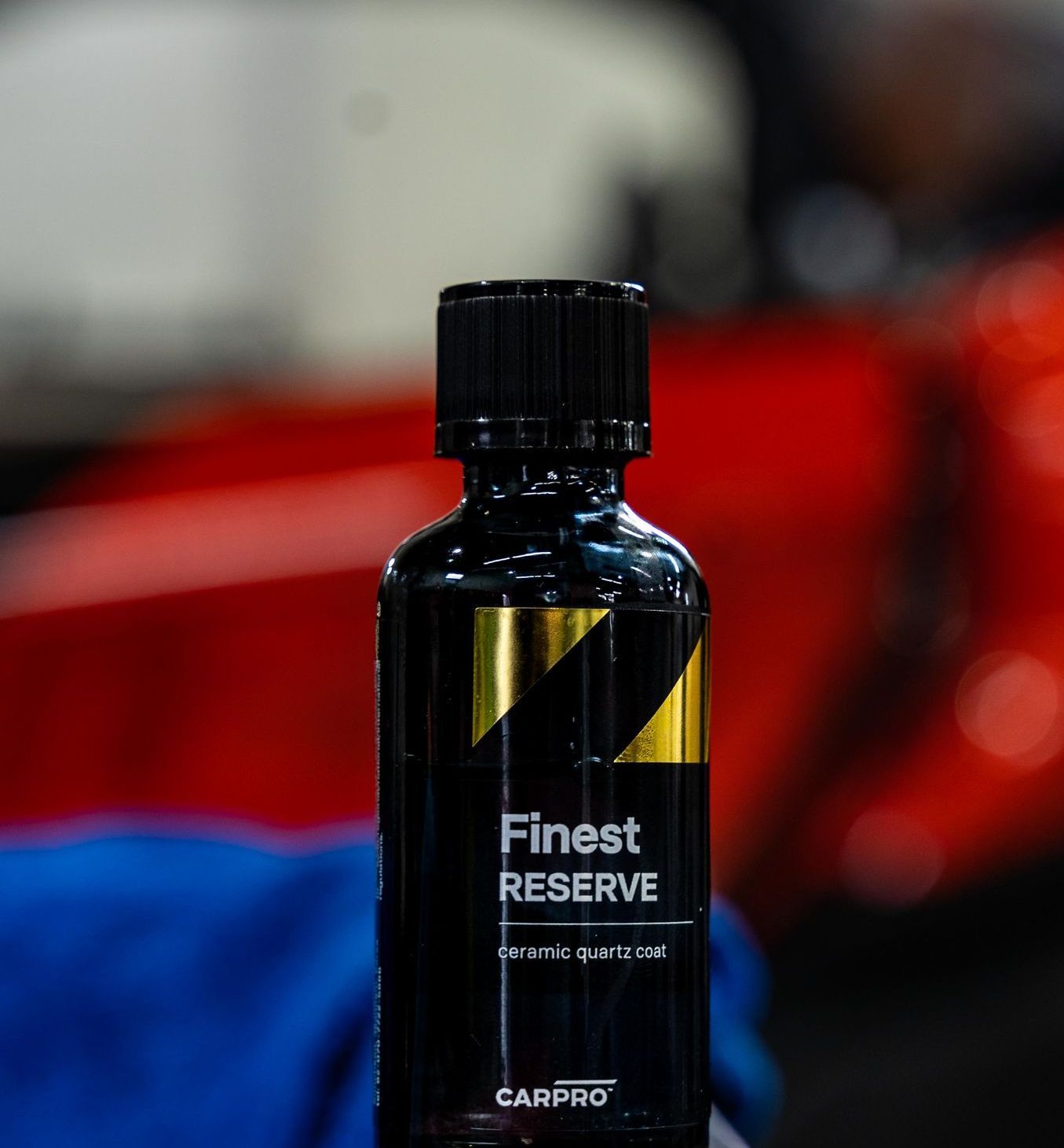
For drivers who combine PPF with a ceramic coating on a full-body package, the result is a vehicle that handles both physical impact and chemical contamination from road salts, bird droppings, and acid rain at the same time. The
ceramic coating packages at Menard Premium Detailing are available as add-ons on full-body PPF installations.
Pennsylvania Roads Will Not Wait. Neither Should Your Paint.
If your vehicle is regularly driving Pennsylvania highways and surface roads without auto paint protection film, the chips are building. Every unprotected mile is one the paint is absorbing on its own.
Head to the contact page for a free estimate and speak with the Menard Premium Detailing team about the right package for your vehicle and driving habits. See what drivers across Bucks County and the surrounding area have said on the reviews page.
Frequently Asked Questions
Does auto paint protection film really stop rock chips on Pennsylvania roads?
Yes. PPF is specifically designed for physical impact protection. The film absorbs the force of airborne debris, rock chips, and gravel before it reaches the paint. The Menard Premium Detailing site describes its Level 1 package as built for daily drivers navigating Pennsylvania roads, and the Level 2 Full Front package as the top seller for protecting against road debris and rock chips on the highway.
What is the difference between PPF and ceramic coating for road debris protection?
PPF is a physical film that absorbs impact. Ceramic coating is a chemical surface treatment that resists contamination, UV rays, and water staining but does not absorb physical force. For rock chip and debris protection, PPF is the right product. Ceramic coating handles chemical threats. Many Menard Premium Detailing customers combine both on full-body installations to get physical and chemical protection working together.
How long does paint protection film last on a Pennsylvania vehicle?
STEK PPF products installed at Menard Premium Detailing carry a 10-year warranty covering delamination, yellowing, bubbling, and cracking. Longevity also depends on maintenance. The Menard Premium Detailing blog confirms that the film should not be touched for at least one week after installation to allow full curing, and that routine washing keeps it performing well over time.
Will PPF change the way my vehicle looks?
No. STEK PPF is designed to be virtually invisible once professionally installed. The film blends with the vehicle's color and maintains the original factory appearance. Level 4 packages are available in both gloss and satin finishes so the film matches the original paint type. A professional installation at Menard Premium Detailing produces a result where no film appears to have been applied at all.
Which PPF package is best for highway driving in Pennsylvania?
The Level 2 Full Front package covers the hood, fenders, and mirrors and is Menard Premium Detailing top seller for highway drivers. For drivers who do sustained highway miles and want broader coverage, Level 3 adds rocker panels, the A-pillar, the front roof section, and behind the rear bumper. The Menard Premium Detailing team can assess your specific vehicle and driving patterns to recommend the right coverage level.