Ceramic Coating After Paint Correction: Why Preparation Matters Before Application
Picture a freshly coated car sitting in the sun. The gloss looks deep, the color pops, and then you spot it. A web of fine swirl marks, now shining even brighter than before. It is a gut punch, and it happens more than people think.
Here is the thing. A ceramic car coating is not a filler. It grips whatever surface sits under it, so every flaw on coating day stays right where it is. Clean, smooth paint gets a great result. Marked-up paint gets those marks locked in.
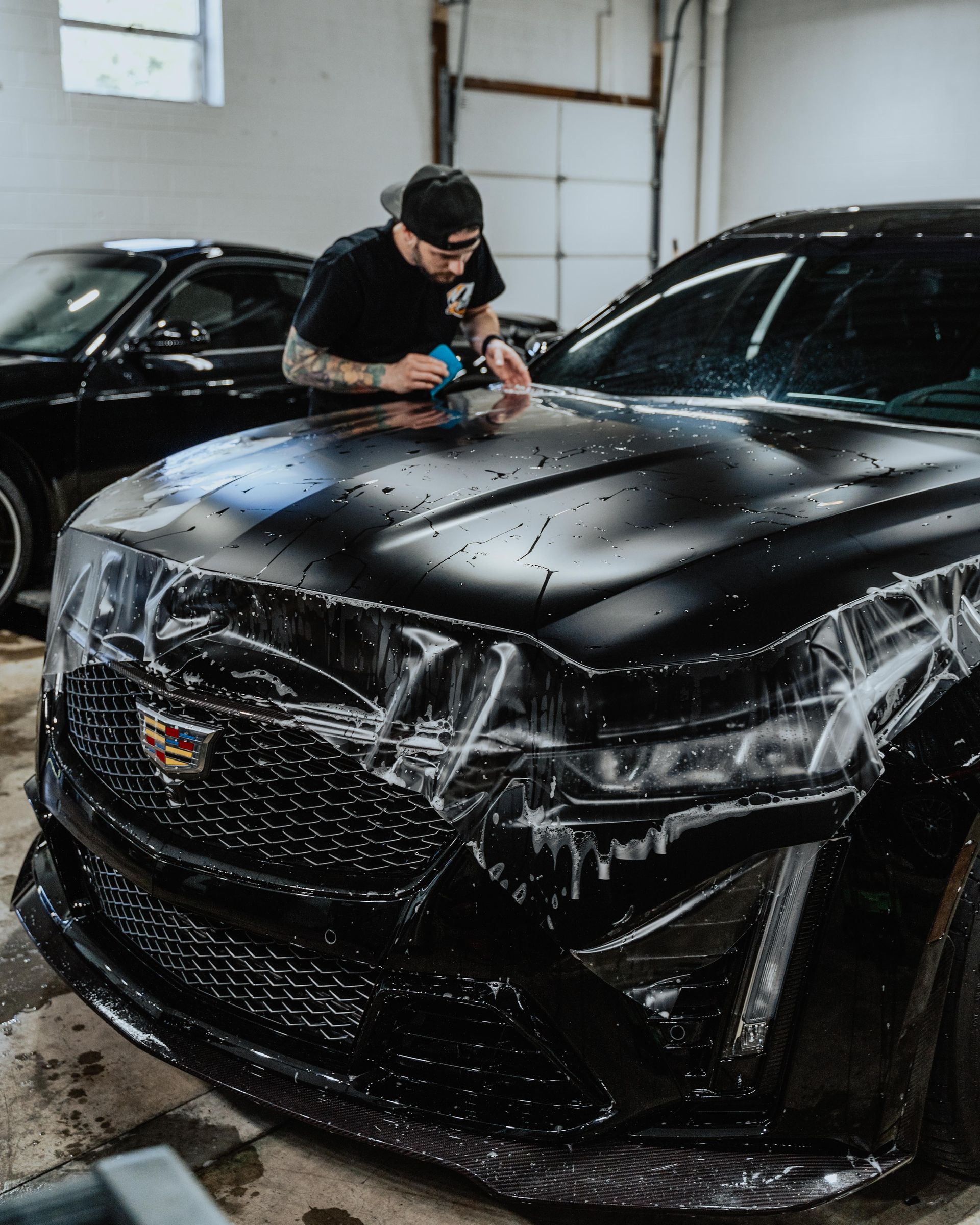
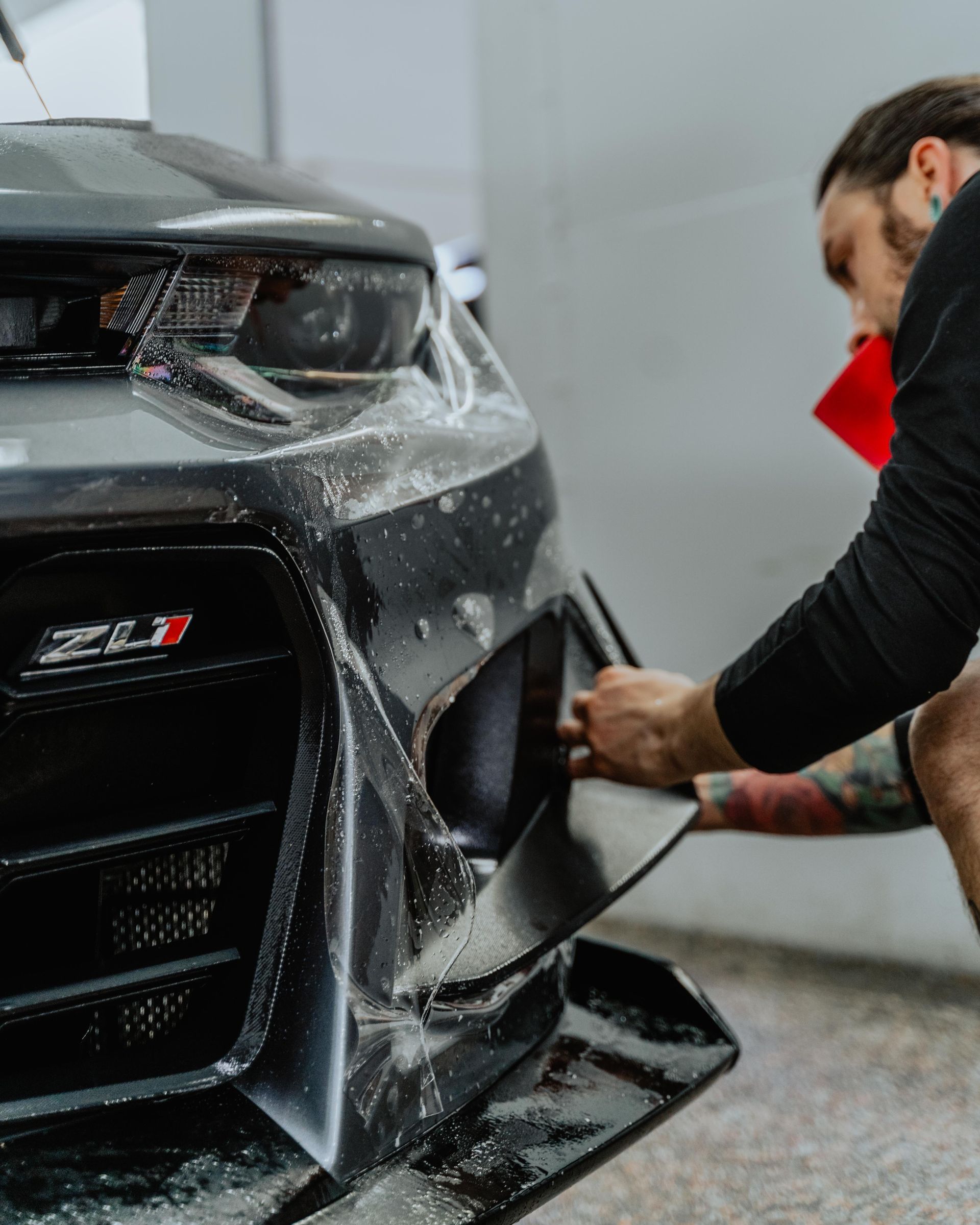
Menard Premium Detailing has been coating cars out of its Warminster shop since 2015, and prep work always comes first. This post walks through why that step matters so much and what it looks like in real life.
Why a Ceramic Car Coating Needs a Clean Starting Point
A coating can only protect the surface it touches. If that surface is dull or marked, the coating protects a dull, marked surface.
Any flaw present at application gets sealed in, not hidden. So the finished look depends on the work done before the coating ever comes out of the bottle. That is the whole case for paint correction before ceramic coating.
Think of painting a wall. You would not roll fresh paint over holes and bumps and hope for the best. You would patch and sand first, right? Same idea here.
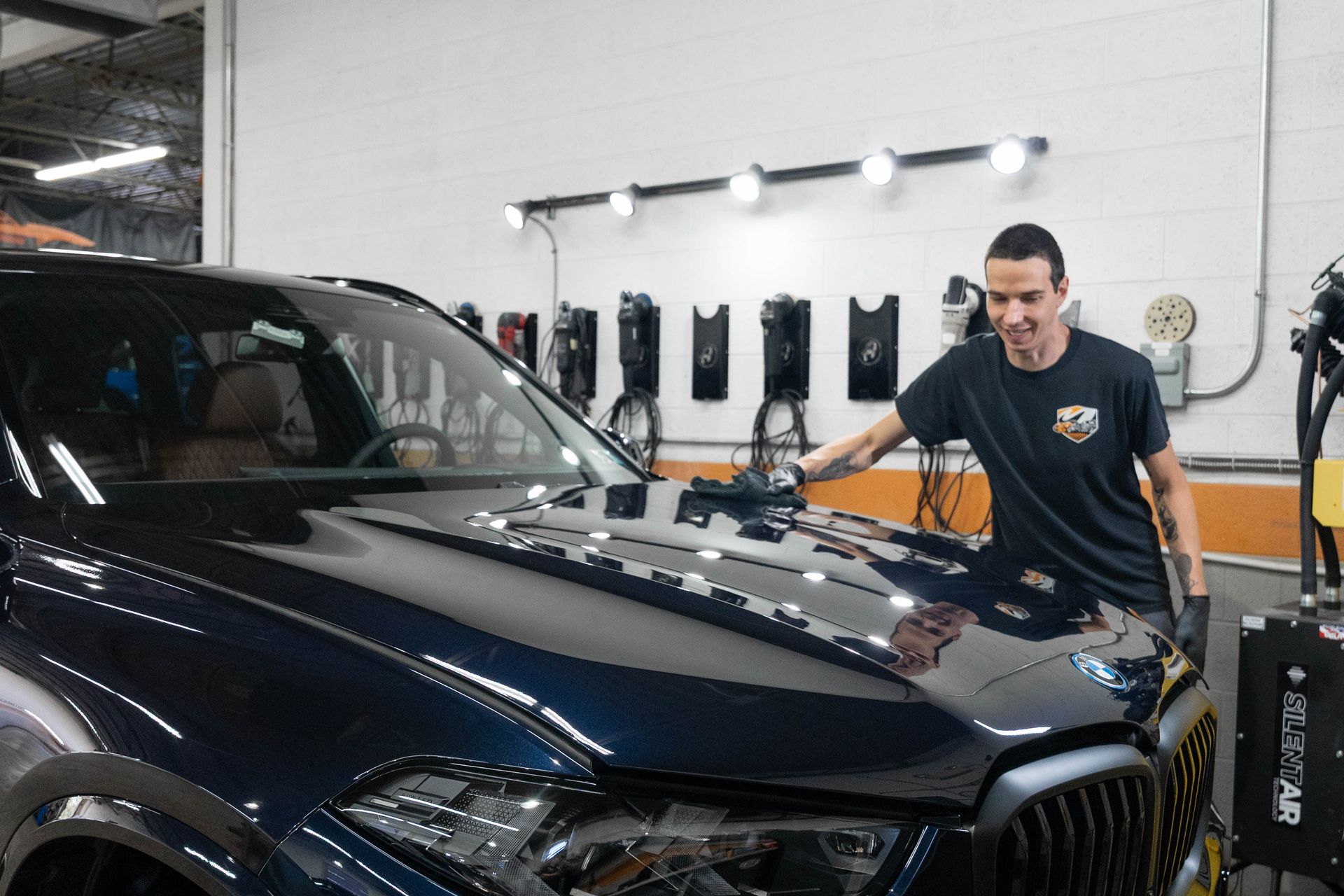
What Paint Correction Actually Fixes
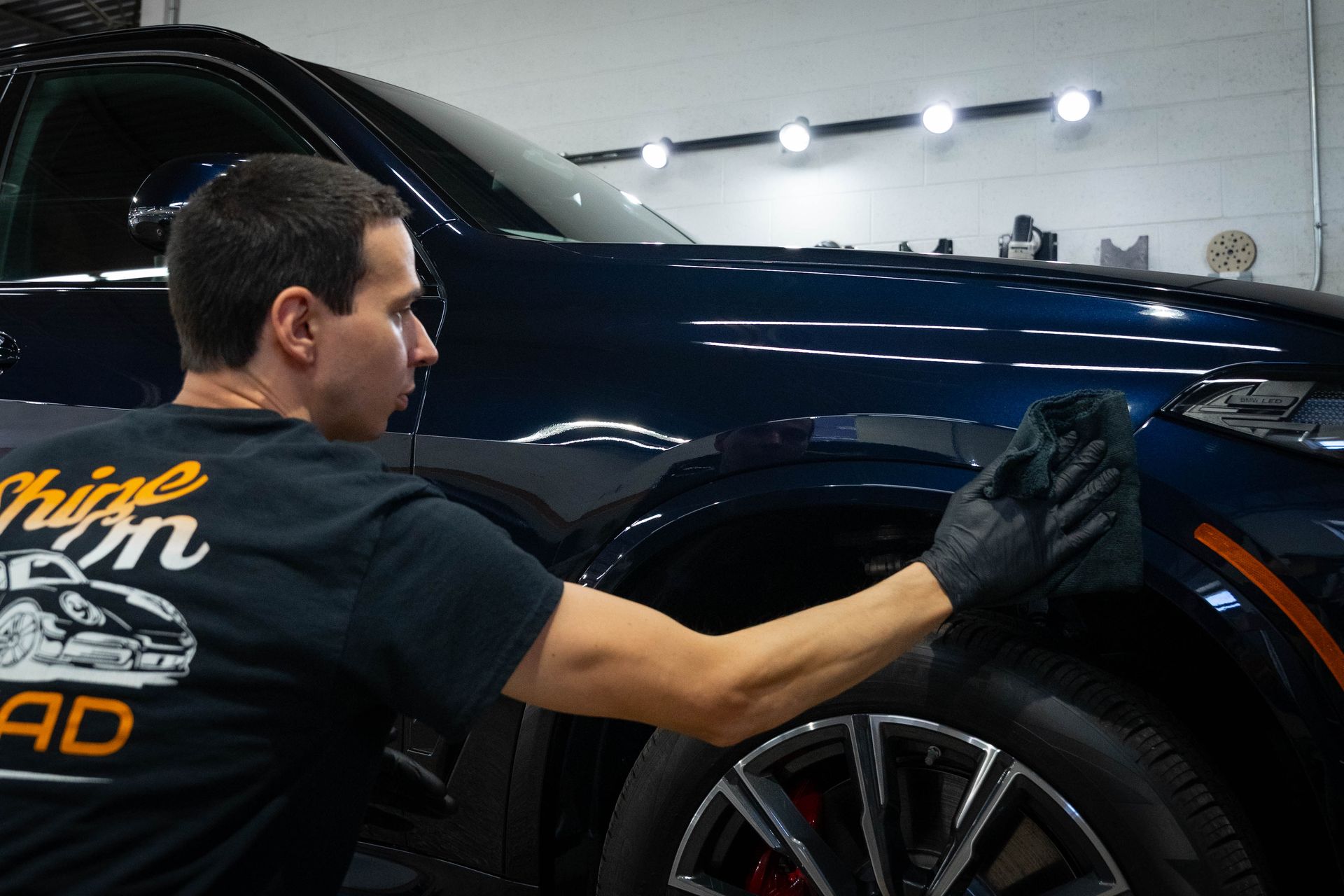
Paint correction is a polishing process that levels out the top of the paint so light reflects cleanly. It goes after the flaws a quick wash can never touch.
Here are the usual problems it deals with:
- Swirl marks from past washing and drying
- Light surface marring that dulls the shine
- Oxidation that leaves the color looking tired
- Etched spots left behind by bird droppings
Daily life causes most of this. Rough washing, rushed drying, and a summer of strong sun can all leave their mark. Over time, those little flaws add up, and the paint loses its depth.
Swirl Removal: Where the Shine Comes From
Swirl removal is the heart of paint correction. Fine swirl marks scatter light in every direction, which makes the paint look hazy and flat.
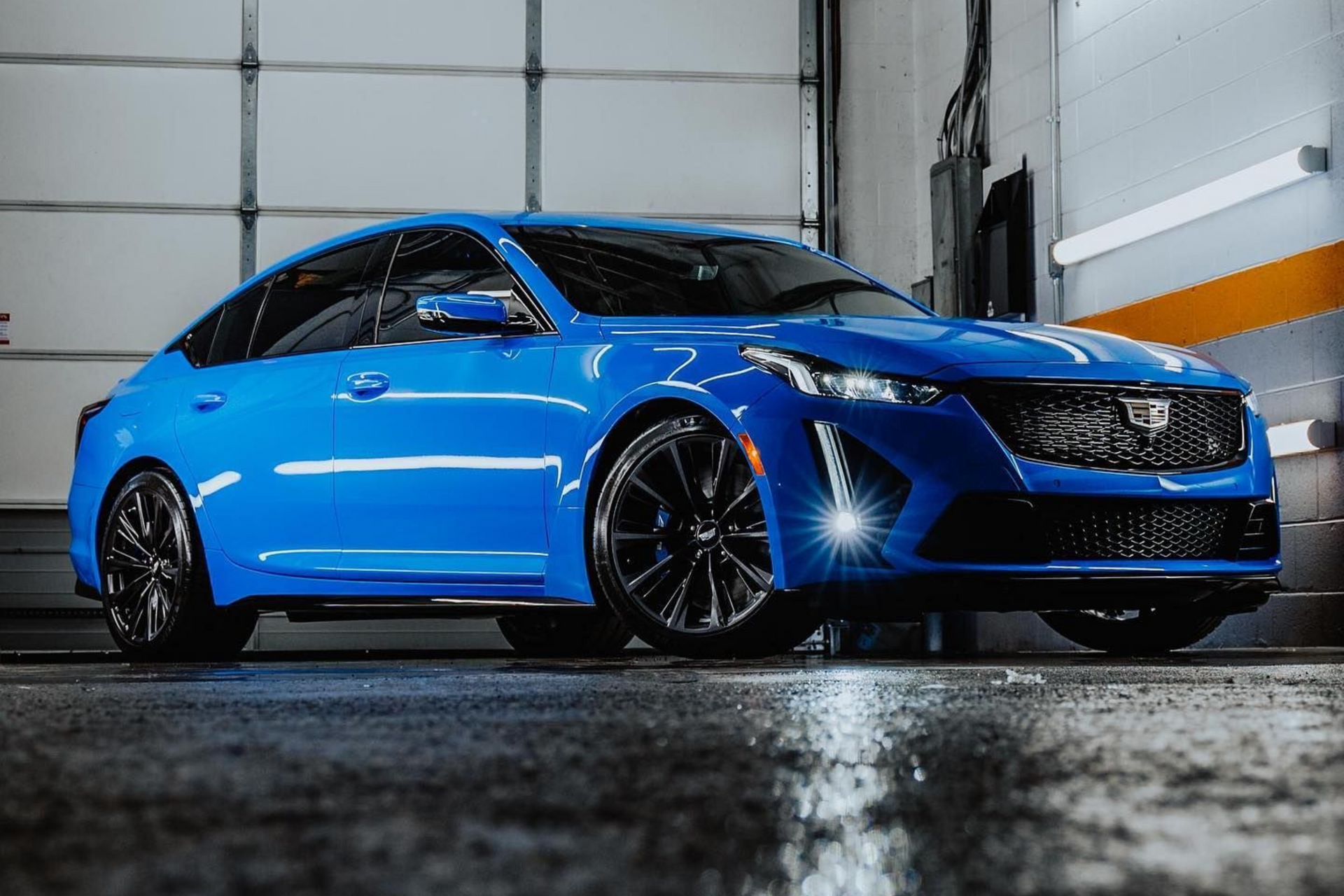
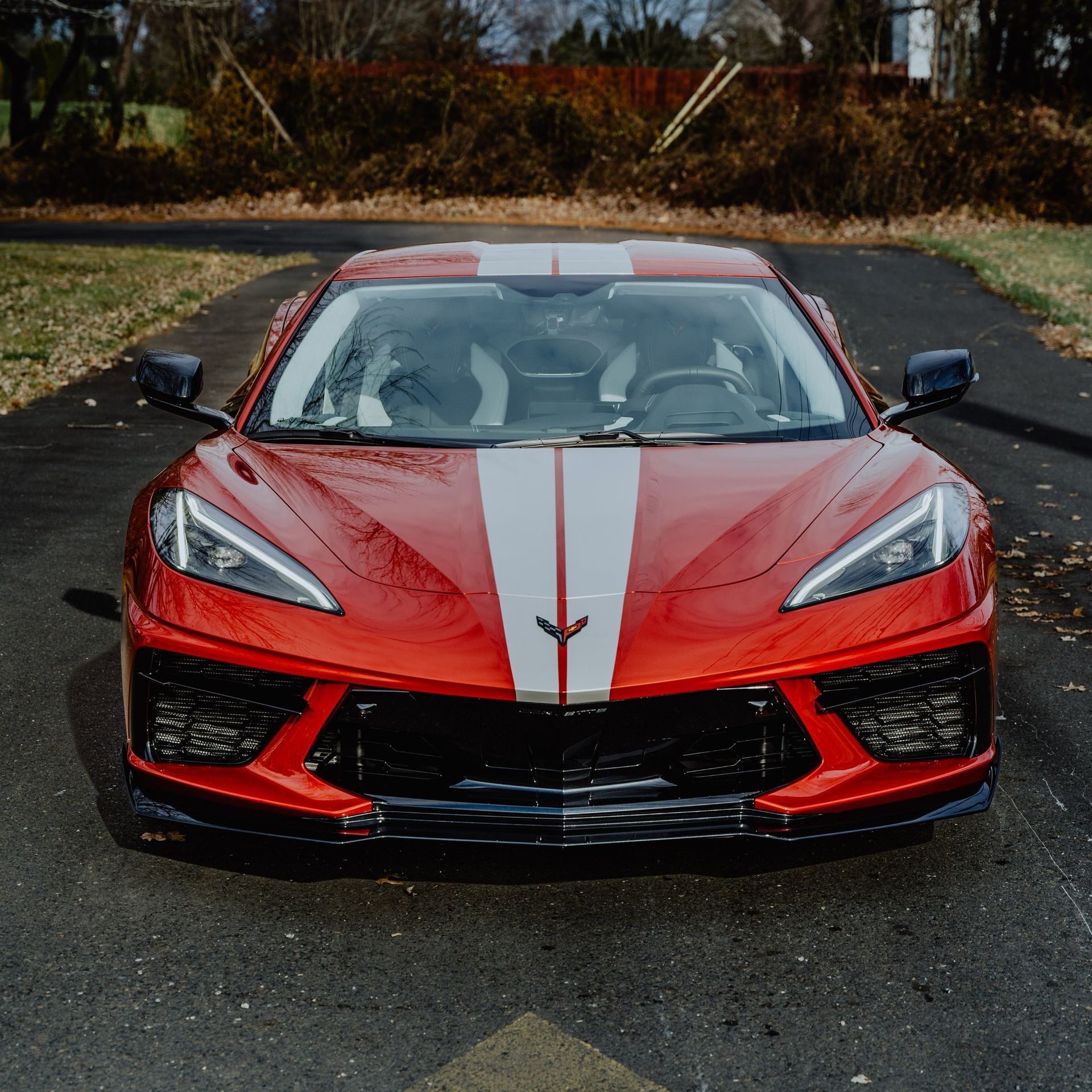
Once the swirls are polished out, the paint reflects light in a clean, even way. That is why corrected paint looks so deep and wet. The coating then takes that improved surface and holds onto it for the long haul.
This is also why gloss and correction go hand in hand. Skip the polish and there is no hidden shine for the coating to hold onto in the first place. It can only keep what the paint already shows.
Ceramic Coating Preparation at Menard Premium Detailing
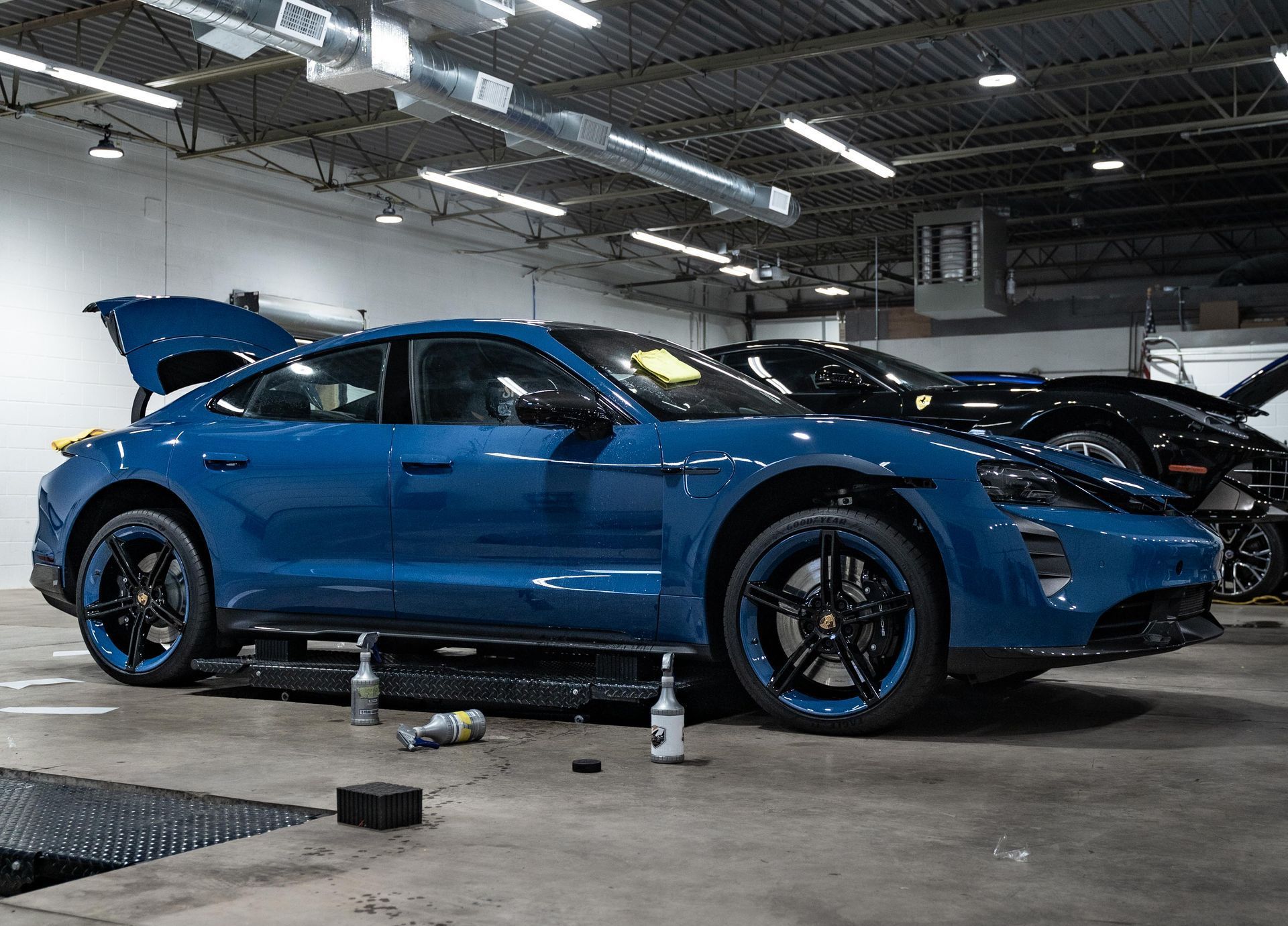
Good ceramic coating preparation is a step-by-step job, and no step gets skipped. At Menard Premium Detailing, a detail and a correction pass come before anything is applied.
Here is how the prep usually moves along:
- A thorough wash to lift off dirt and road grime
- Decontamination to pull out stuck-on residue the wash misses
- Paint correction sized to the tier you pick
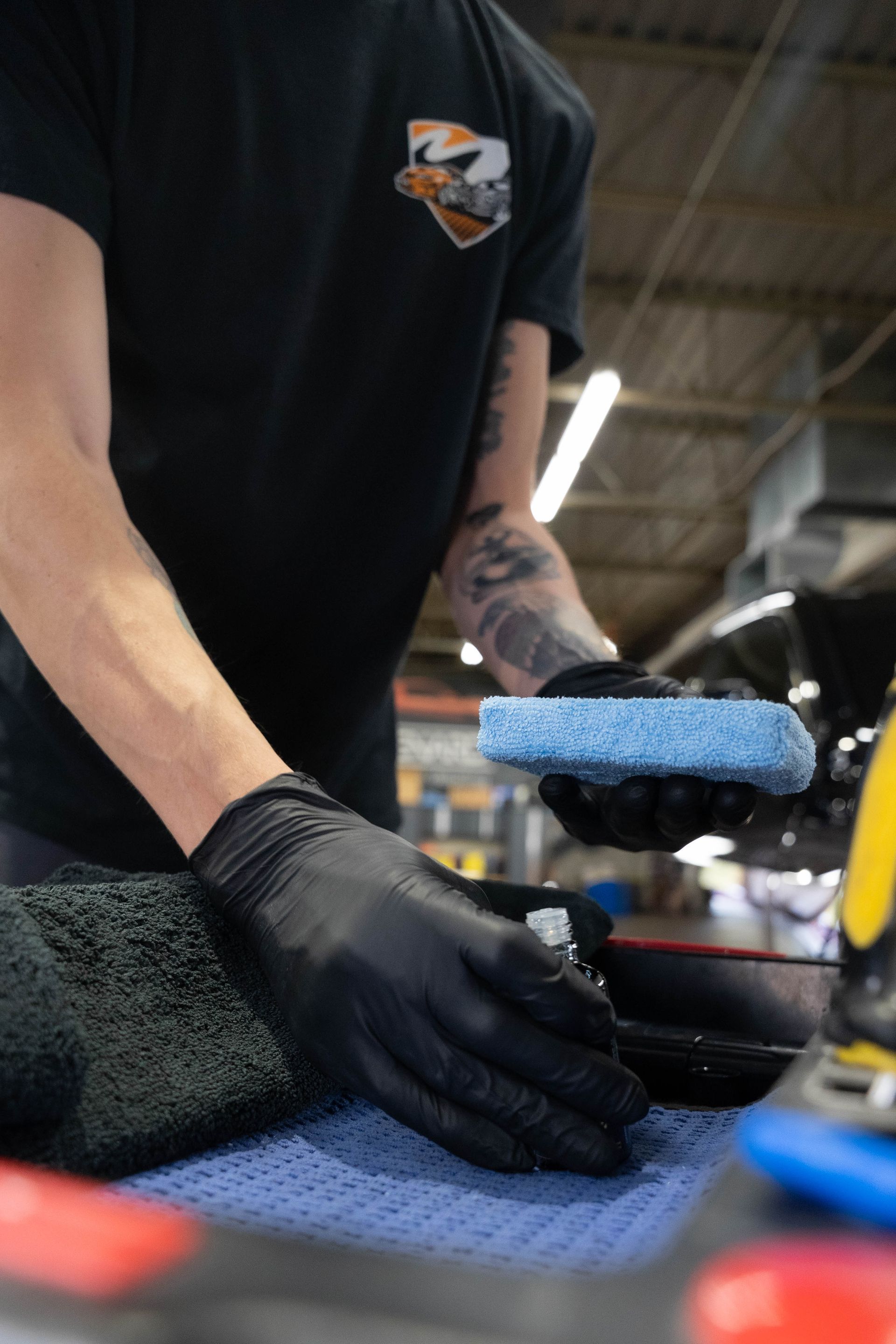
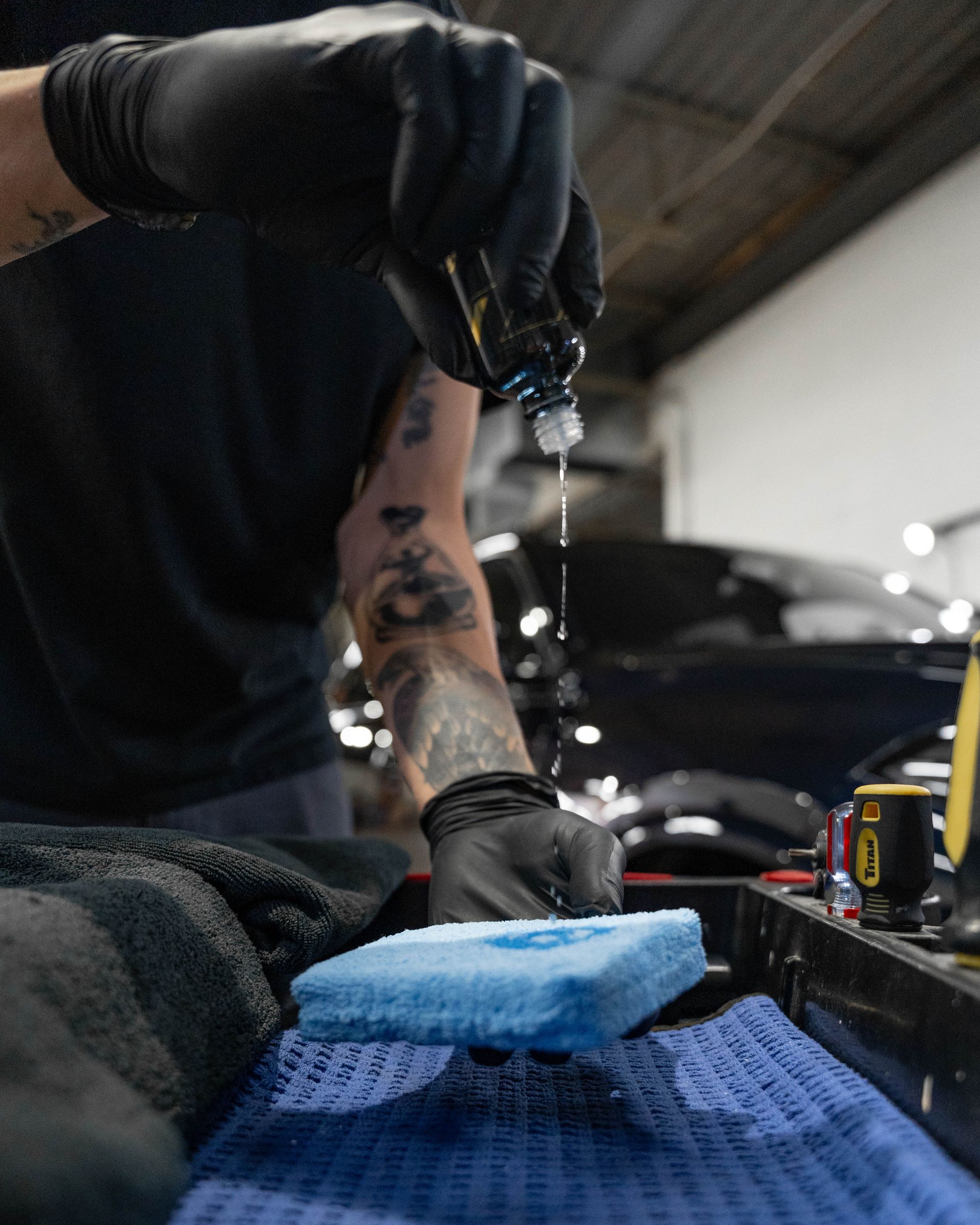
- Hand application of the coating, followed by infrared curing
That order matters. Each step sets up the next one, and the coating always goes on last. Upper packages also add a maintenance wash afterward. Compare the ceramic coating tiers to see how each one is built up.
How Much Correction Do You Need?
Not every car needs the same amount of polishing. A newer vehicle with light marks needs less work than an older one that has seen years of rough washing.
Menard Premium Detailing ties the amount of correction to the coating tier:
- Level 1: the CQuartz UK coating, paired with light polishing for minor swirls
- Level 2: the CQuartz Professional coating, paired with deeper polishing (about 70 to 85 percent)
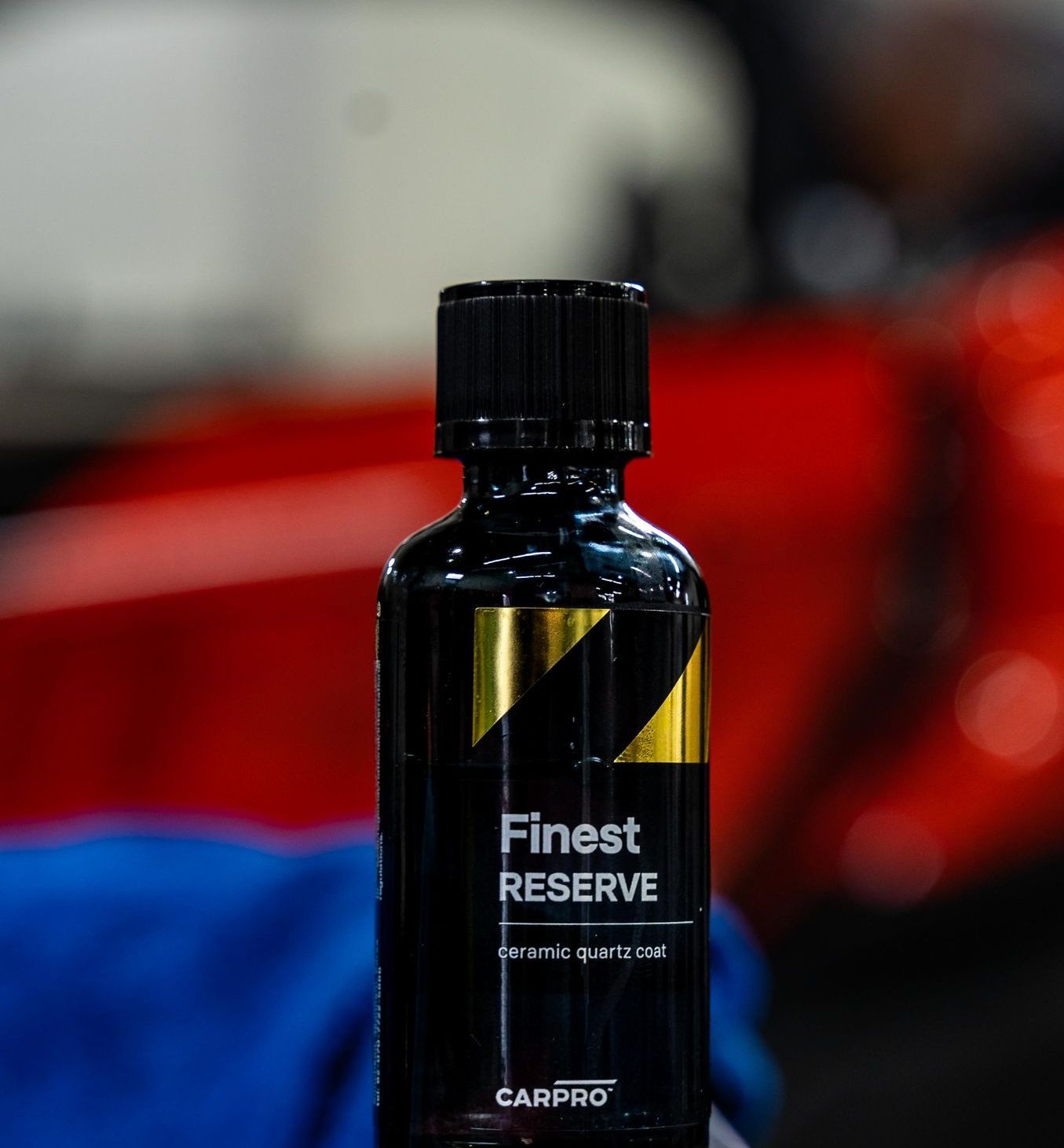
- Level 3: the Finest Reserve coating, paired with full correction plus spot sanding (about 90 percent)
- Executive: the DQuartz coating, applied after the whole body is wet-sanded at 3,000 grit
The higher you go, the closer the paint gets to a near-perfect finish. Your car, your budget, and your goals decide which fit is right. If you want to see the CQuartz line in more detail, the CQuartz coating page covers it.
What a Corrected Surface Lets the Coating Do
A smooth, clean surface gives the coating the best chance to do its job. The site says CQuartz holds up against sun damage, road salt, and acid rain.
On corrected paint, those benefits show up better:
- Gloss: the polished base lets the coating show off depth and clarity
- Easier washing: water beads and slides off, so dirt has less to grab
- Lasting protection: the coating can stay protective for years with proper care
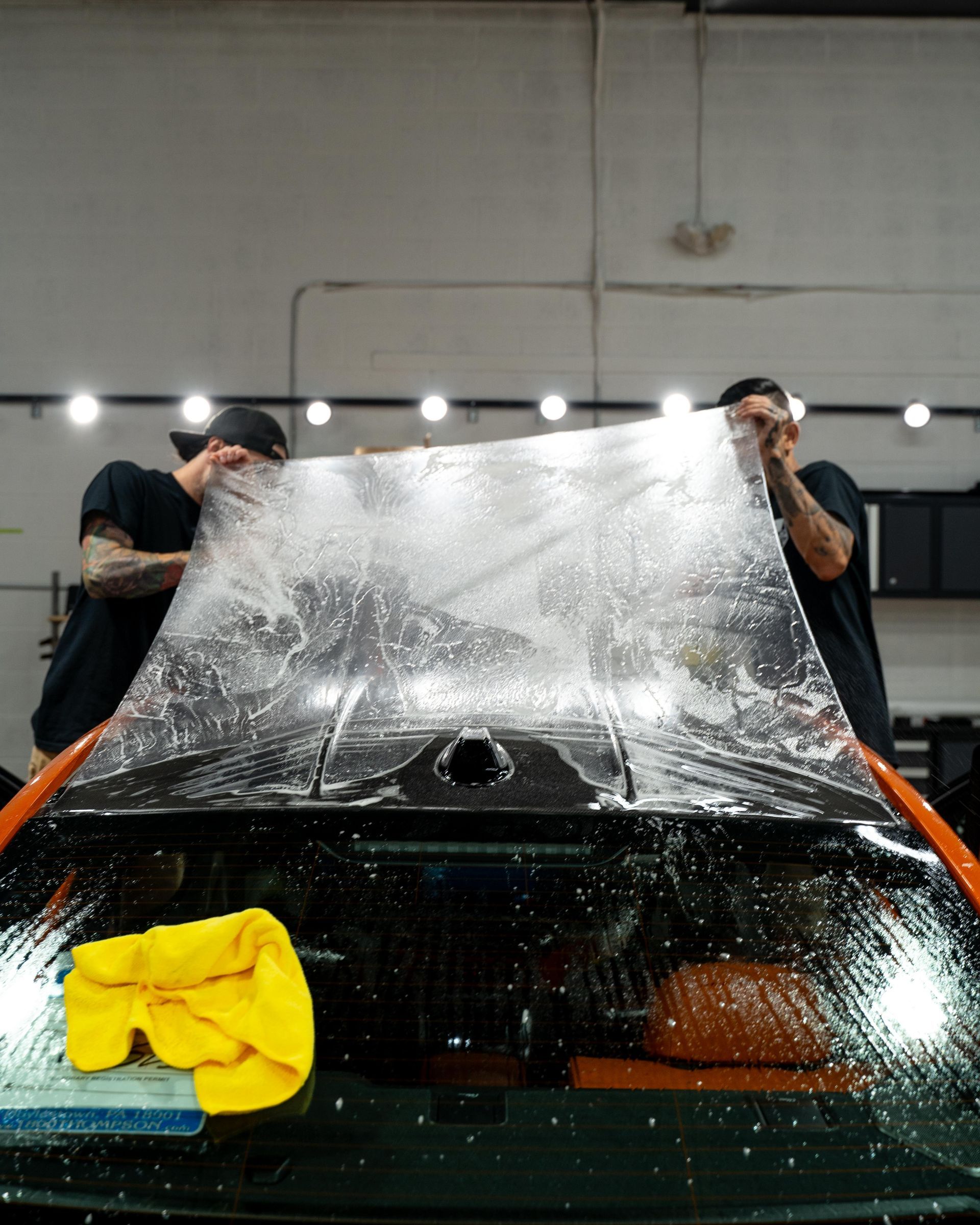
One more honest point. Coating will not stand in for film when it comes to impacts. If rock chips worry you, look at the paint protection film options too. The two also work together, since a coating can be added over film on a full-body package.
Keep the Finish Looking Right After Application
Once the coating is on, a little upkeep goes a long way. Regular, gentle hand washes with a soft cloth keep dirt from building up, and harsh chemicals left on the paint can hurt the coating over time.
If you ever want a deeper clean between visits, the team also offers
automotive detailing. It is a simple way to keep the surface fresh without much fuss.
Start With the Surface, Then Protect It
Great coating results are earned in the prep stage. If you want your paint corrected and coated the right way, reach out and share what you drive and what bugs you about the paint.
Head to the contact page for a free estimate.
Curious how other owners felt about the result? Read the reviews page.
Frequently Asked Questions
Why is paint correction needed before a ceramic car coating?
Because the coating locks onto whatever paint is underneath. Any swirl marks, marring, or oxidation get sealed in instead of fixed. Paint correction smooths those flaws out first, so the coating sits on a clean surface and the finish looks sharp. That is why every coating job starts with correction and a detail.
Does paint correction before ceramic coating remove every flaw?
Not always. What comes out depends on the tier and the condition of the paint. Lower packages handle light swirls, while the upper ones use deeper correction, and the Executive package adds a full-body wet-sanding. Menard Premium Detailing lists correction around 70 to 85 percent for Level 2 and about 90 percent for Level 3. The team can explain what to expect on your car.
Can I just apply a ceramic coating without any polishing?
You can, but the result suffers. Without correction, the marks already on your paint stay visible under the coating. At Menard Premium Detailing, correction is built into every package, so the step never gets skipped. It is the best way to get gloss and durability from the coating you are paying for.
Is swirl removal the same as a ceramic coating?
No, they do different jobs. Swirl removal polishes out flaws in the paint. A ceramic coating then goes over the corrected surface to protect it from UV, grime, and the weather. One fixes the look; the other helps keep it. Together, they make a strong pair for long-term results, and the order matters: fix first, protect second.
How long does a ceramic car coating last after correction?
A professionally applied coating can last several years, and CQuartz Professional gives over two years of coverage. Results depend on the product, the care it gets, and how the car is washed. Regular, gentle washing helps the coating keep working the way it should.