Can Ceramic Coating Reduce Water Spots? Top Driver Tips for Car Maintenance
If you've ever spent time washing your car only to find stubborn water spots staring back at you hours later, you're not alone. Many drivers wonder if ceramic coating, the slick, glass-like finish that's been making waves in car care, can actually keep those pesky spots at bay. The answer isn't just a simple yes or no; ceramic coating can help reduce water spots, but it's not a magic fix. Let's break down how this protective layer works and what you can do to make the most of it so your ride stays cleaner and shinier for longer.
Ceramic coating adds a hydrophobic protective layer that helps repel water and contaminants, which can reduce the frequency and severity of water spots; however, it does not completely prevent them, especially when hard water with high mineral content is involved. To minimize water spots, drivers should avoid allowing water to air dry on coated surfaces, use filtered or softened water for washing, promptly dry the vehicle with microfiber towels, and regularly maintain the coating using ceramic-friendly quick detail sprays designed to preserve hydrophobic properties.
What is Ceramic Coating?
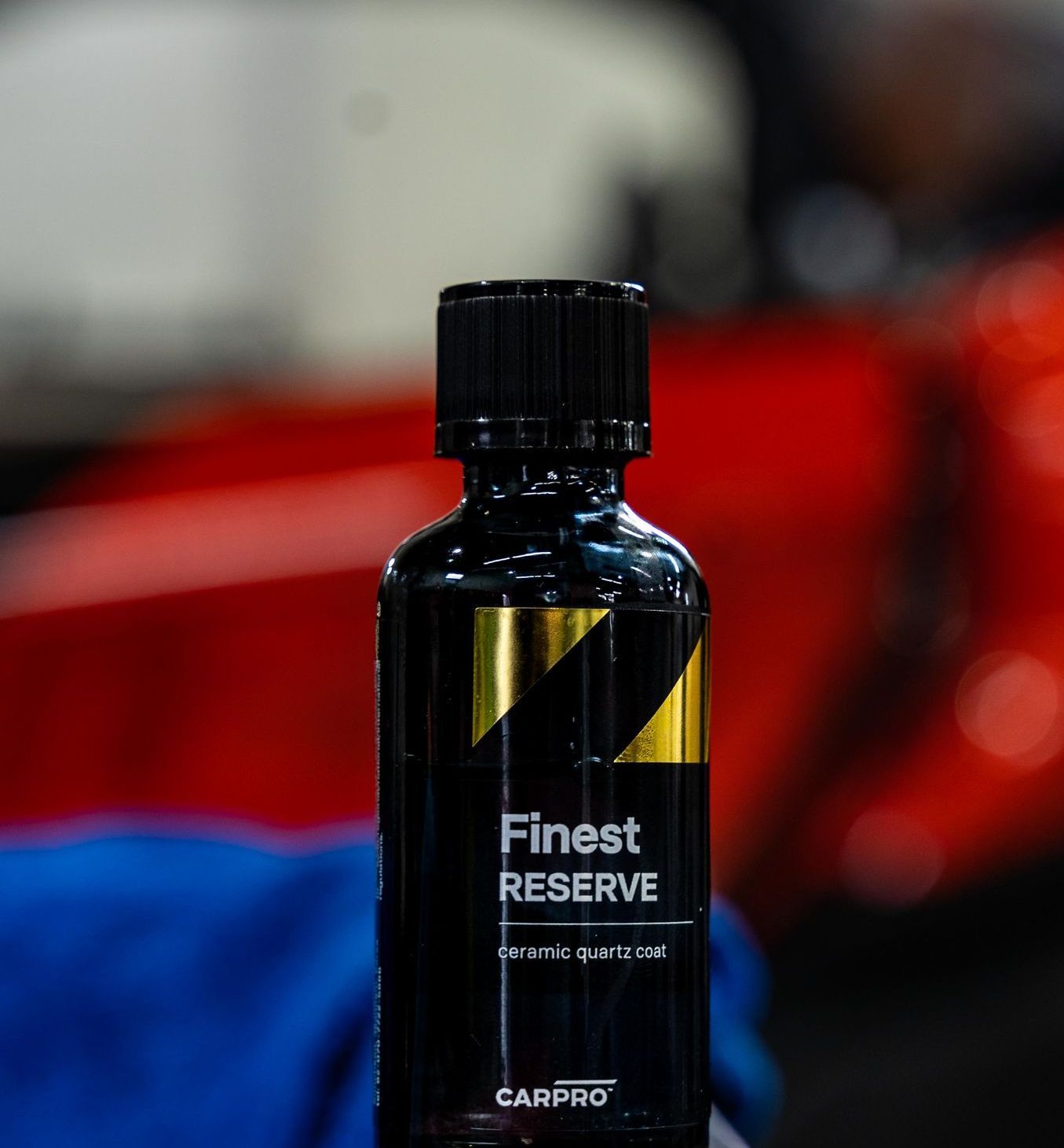
Ceramic coating is essentially a liquid polymer that's applied to the surface of a vehicle. Unlike traditional waxes or sealants that sit on top of the paint and wear off quickly, ceramic coatings chemically bond with the factory paint itself. This bond forms a durable, long-term layer designed to safeguard your car from everyday hazards. The main ingredient in most ceramic coatings is silicon dioxide, or SiO₂, derived typically from silica or quartz nanoparticles. These tiny particles create a hard, glass-like shield across your vehicle's exterior.
One of the key advantages of ceramic coating is its resilience. It can withstand UV damage from the sun that fades paint over time and chemical stains caused by contaminants like bird droppings or acidic tree sap. Imagine your car's surface wrapped in an invisible armor that rejects these pollutants rather than absorbing them. This system not only preserves your paint's vibrancy but also reduces the frequency and intensity of cleaning you'll need to do. For example, bird droppings are notoriously acidic and can quickly eat through unprotected paint if left unattended. However, when coated with ceramic, these substances are less likely to develop long-lasting marks right away because the coating acts as a sacrificial barrier. It still requires timely cleaning, but it buys you some forgiveness against accidental neglect. Beyond protection, one characteristic that has drivers talking is ceramic coating's hydrophobic quality, a fancy way of saying it repels water.
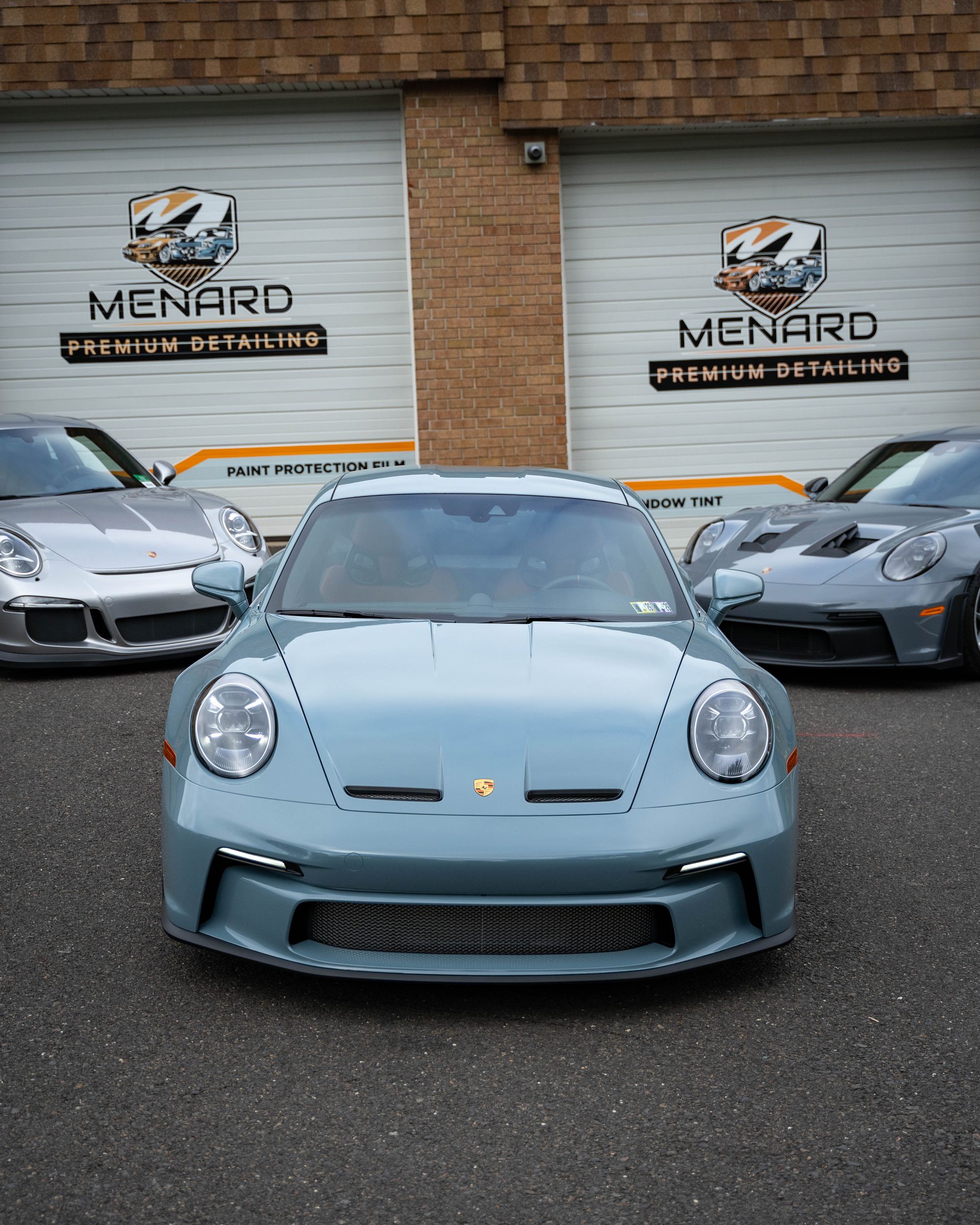
Properties of Ceramic Coating
The hydrophobic nature means water beads up and rolls off the surface instead of spreading out into films or spots. This effect comes from the smoothness and chemical makeup of the coating, which raises the water contact angle significantly compared to untreated paint surfaces. Practically speaking, such a coating causes rainwater or car wash runoff to sheet off more effectively, taking dirt particles along for the ride. This resistance to water not only keeps your vehicle looking cleaner between washes but also plays a role in reducing stubborn water spots, those frustrating mineral deposits left behind after water dries.
While ceramic coatings aren't foolproof against spotting, especially in areas with hard water containing minerals like calcium or magnesium, they significantly slow down how quickly spots form. The layer buys you time, but it does not mean you can ignore regular washing routines or let hard water air dry on your car. Drivers should still adhere to best maintenance practices: rinse your vehicle promptly after exposure to hard water and dry with microfiber towels or use dedicated quick detail sprays formulated for ceramic surfaces. These steps ensure that minerals don't settle long enough to etch into the coating. Ceramic coating gives your car a glossy, protective finish that stands up better than wax but doesn't eliminate the need for regular care. Understanding its properties helps you set realistic expectations and get the most out of this advanced technology while preserving your vehicle's appearance over years rather than months.
How Ceramic Coating Reduces Water Spots
Water spots form when minerals like calcium and magnesium in water remain on your car's surface after the water evaporates, leaving behind a chalky residue. The trick is to prevent water from lingering long enough to deposit these minerals. This aspect is where ceramic coatings shine. Because they create a highly hydrophobic layer, water beads up and rolls off the paint much faster than it would on an untreated surface. This attribute significantly reduces the chance for minerals to settle and etch into the paint or coating itself.
However, not all coatings possess the same qualities. Ceramic coatings typically have a high silicon dioxide content, which imparts both chemical resistance and hardness. While that sounds impressive, it's important to understand that this hardness mainly protects against minor surface damage and doesn't guarantee immunity from mineral deposits. Water spots can still occur if you leave your car to dry naturally after washing or rain exposure, especially in areas with hard water. That means the coating serves as a strong line of defense but not an impenetrable shield. For instance, imagine parking your car outside during a rainstorm. On an uncoated vehicle, water tends to spread across flat surfaces, slowly evaporating and allowing mineral crystals to settle firmly onto the paint.
In contrast, the same rainwater on a ceramic-coated surface beads into tight droplets that quickly roll off when the car moves or dries in a breeze, taking most mineral content with them before it can cause damage. This natural "self-cleaning" effect means that ceramic coatings don't just repel water; they also make routine cleaning easier by reducing stuck-on grime and contaminants along with potential spots. However, this advantage comes with some caveats: over time, usually within 6 to 12 months, the coating's hydrophobic properties can degrade due to environmental exposure like UV rays and acidic pollutants. That means regular maintenance using specialized quick detail sprays designed for ceramic coatings is essential to preserve this protective barrier's effectiveness against spotting and other forms of soiling.
To maximize benefits, drivers should avoid letting tap or hard water air-dry on their vehicles after washing. Instead, use filtered or softened water when available, rinse thoroughly, and hand dry promptly with soft microfiber towels while employing ceramic-friendly quick detailers. These products help maintain the coating's slickness and mitigate new spot formation by encapsulating leftover minerals before they harden. Ceramic layers provide some resistance against alkaline substances like calcium carbonate, common culprits in hard water spots, by forming a smooth surface less prone to bonding with contaminants. Ultimately, ceramic coating acts like a high-performance ally, not an invincible fortress, in minimizing water spots. Combining its innate hydrophobicity with frequent maintenance using suitable products yields the best results for preserving that showroom shine without endless scrubbing sessions.

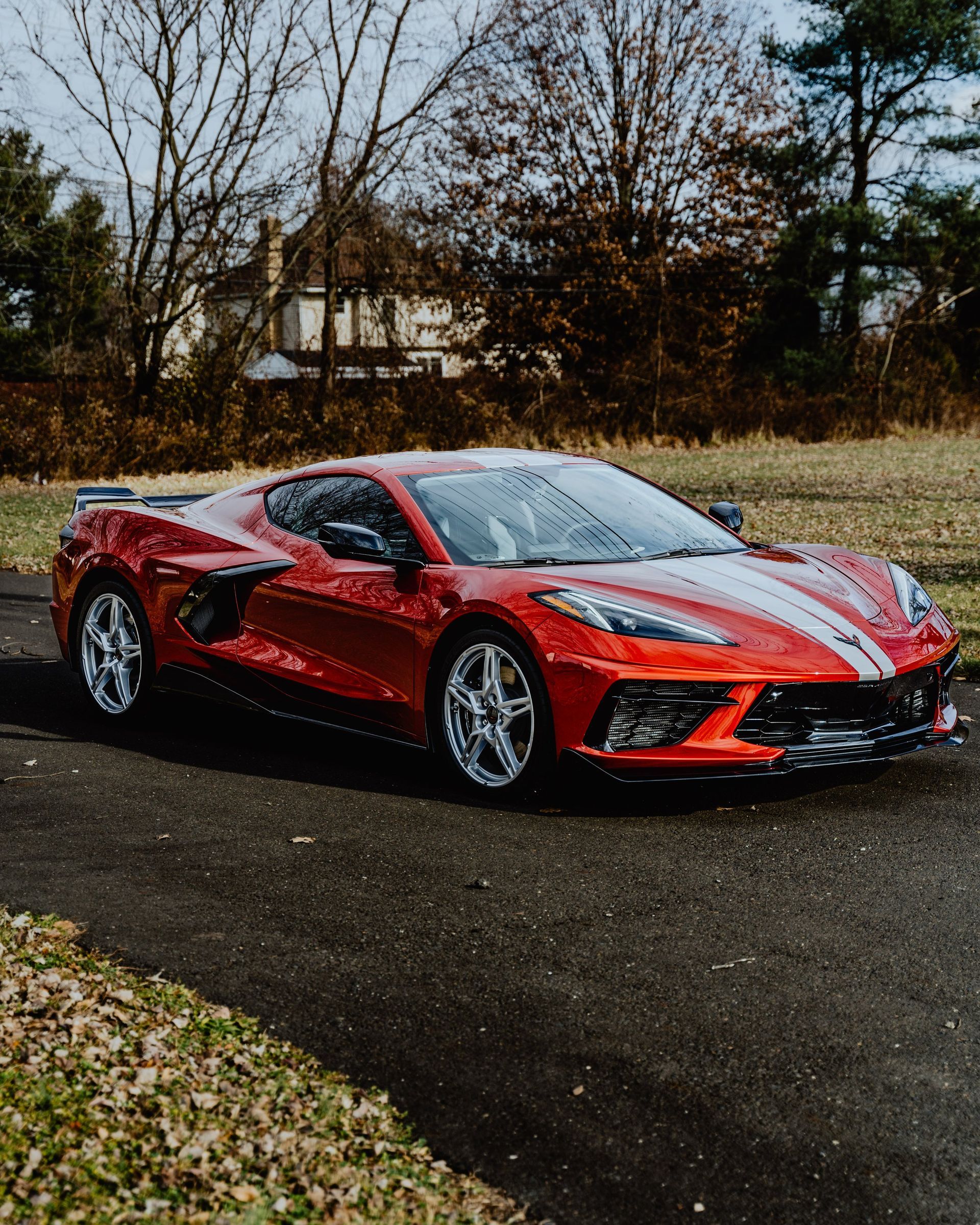
Maintenance for Longevity
The appeal of ceramic coating lies not only in its stunning gloss and water-repellent effects but also in how it guards your car's paint over time. However, this protection isn't invincible. To preserve the coating's integrity, routine maintenance is key. Car owners should adopt a washing schedule that typically involves cleaning the vehicle every couple of weeks with a pH-neutral shampoo specially formulated for ceramic-coated surfaces. Such shampoos avoid harsh chemicals that can break down polymer bonds in the coating, ensuring it remains vibrant and chemical resistant.
Using the two-bucket method is essential here: one bucket filled with soapy water to wash the surface and a second with clean water to rinse your mitt or sponge. This strategy minimizes the risk of rubbing abrasive dirt particles back onto your paint. Always reach for a high-quality microfiber or lamb's wool wash mitt; these materials are gentle and help protect the delicate ceramic layer while effectively removing grime. Proper drying cannot be overlooked either. After washing, using thick microfiber towels is critical to absorb water without damaging the surface.
Alternatively, some enthusiasts use leaf blowers or dedicated air dryers that eliminate standing moisture without any physical contact, further reducing the chance of water spots forming from mineral deposits. Every few months, perform a close inspection of your car's surface for telltale signs like diminished water beading or loss of shine, which indicate that the hydrophobic properties are waning. When this happens, applying a ceramic booster or detail spray can refresh these qualities and enhance gloss depth between full maintenance washes.
Remember also to attend promptly to contaminants such as bird droppings, tree sap, or brake dust. These substances are acidic or abrasive enough to overpower even well-maintained ceramic coatings if left untreated. Specialized quick detailers designed to be safe on ceramic surfaces can help remove these specks efficiently before they etch into the paint. It's also crucial to avoid harsh chemicals when maintaining your coated vehicle. Ammonia-based cleaners, bleach, strong alcohols, and conventional detergents slowly degrade ceramic coatings by breaking down their polymer chains. Sticking with products made specifically for coated cars offers peace of mind alongside effective cleansing power. Lastly, always choose shady spots for washing; cleaning under direct sunlight or above 86°F (30°C) accelerates evaporation, which can leave stubborn water spots despite careful rinsing, defeating one of the main purposes of maintaining a ceramic coating.
Practical Driver Tips for Water Spot Prevention
Even though ceramic coating offers a protective barrier, it doesn't grant immunity against every water spot challenge. One of the biggest culprits behind those annoying spots is hard water, which carries minerals that can settle on your paint and etch over time if left untreated. The best practical step you can take is to always avoid using hard water for washing. Instead, opt for distilled or filtered water whenever possible. This simple swap reduces the mineral content that ends up drying on your car's surface, so fewer spots develop in the first place.
After washing, it's essential to dry your vehicle immediately. Leaving your car to air dry, especially under direct sunlight, is practically inviting water spots to form as mineral-rich droplets evaporate on the paint. To tackle this effectively, many detailers use a leaf blower or similar forced air tool rather than just wiping with towels right away. Leaf blowers quickly push water off surfaces without any friction, minimizing potential damage. If a leaf blower isn't an option, turn to plush microfiber towels paired with drying aids like detailing sprays. These sprays help create a slick surface that encourages water droplets to glide off more easily.
Plus, drying aids often add an extra layer of protection and shine, a benefit for busy drivers who want efficiency without compromising care. A helpful trick is to dry areas exposed to direct sunlight first since they'll dry faster naturally, then move on to shaded spots last. This approach helps balance drying times and reduces uneven residue. These habits may sound like small details, but done consistently, they build up into significant benefits for your car's finish, longevity, and aesthetic appeal. Pairing ceramic coatings with mindful washing and drying routines ensures you're maximizing the technology's hydrophobic advantages. Preventing water spots requires attention both before and after washing: choose your water wisely, and don't let rinse water linger too long on painted surfaces.
Voorhees’ Go-To for Long-Term Gloss
Water spots do not have to be part of your routine when you trust the experts at Menard Premium Detailing. Our
professional ceramic coating services in Voorhees, NJ create a durable, hydrophobic barrier that helps water bead, roll off, and carry minerals away before they settle on your paint. We apply advanced coatings with precision and guide you on proper maintenance so your vehicle keeps its deep gloss and easier-to-clean finish year-round.
Schedule your ceramic coating service today and experience long-lasting protection designed for drivers who want their vehicles to look sharp every day!