Role of PPF in Preventing Long-Term Paint Fading: Ultimate Car Protection Benefits
Keeping your vehicle’s paint looking new can feel like a constant challenge, especially with daily exposure to sun, road debris, and environmental contaminants that gradually dull its finish. Over time, even careful drivers notice a loss of clarity and depth in their paint. A virtually invisible layer can step in to absorb that impact before your paint ever feels it. Paint protection film (PPF) serves as a long-lasting urethane barrier, preserving your vehicle's appearance, maintaining its gloss, and safeguarding its finish over time. Let's dive into how this often-overlooked layer makes a real difference against long-term paint fading.
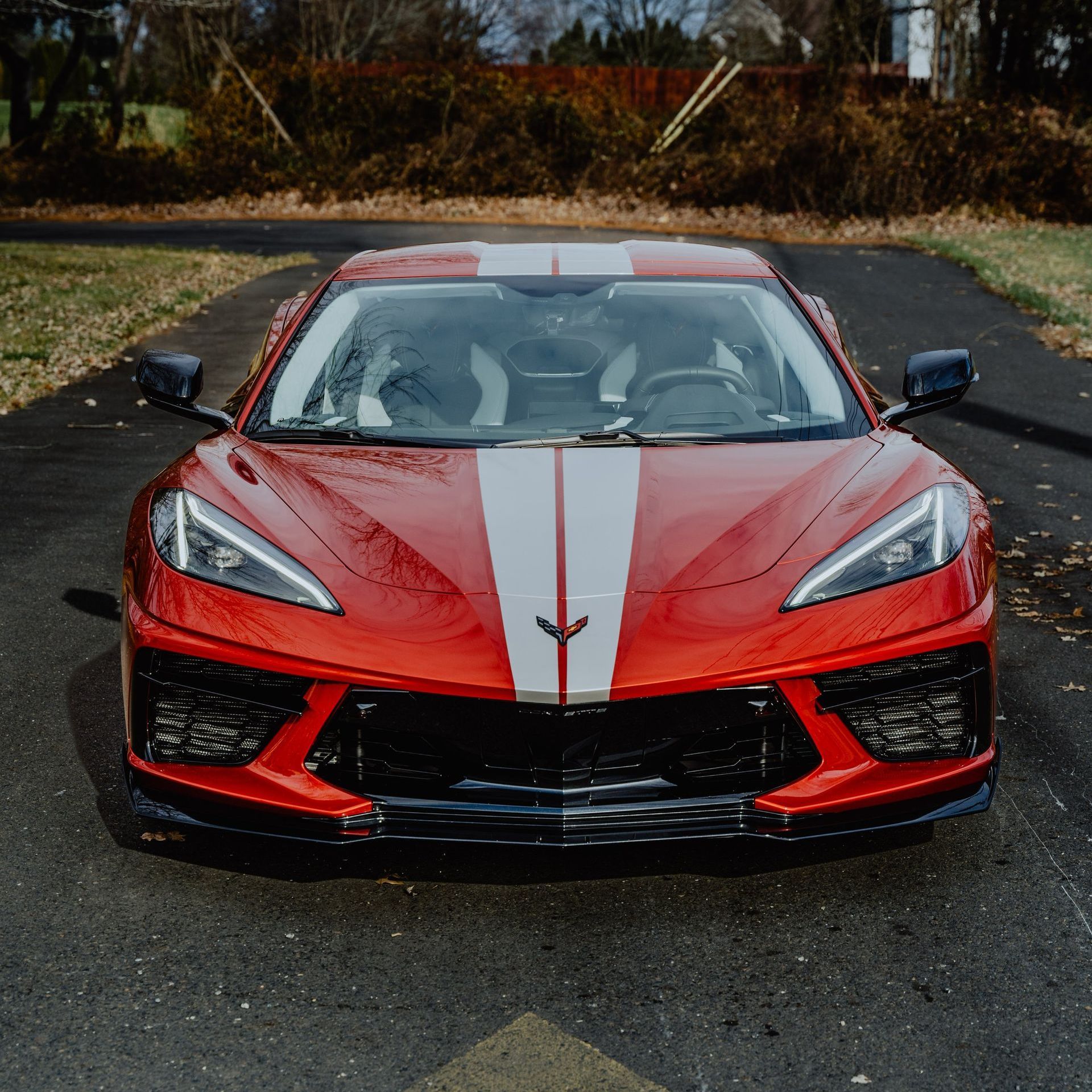
Paint protection film acts as a durable, transparent barrier that shields your vehicle's paint from harmful UV rays, environmental contaminants, and minor abrasions that contribute to fading and discoloration over time. By absorbing UV radiation and resisting oxidation, high-quality PPF preserves your car's original color and gloss for years, effectively extending the life and appearance of your paint finish.
The Pains of Paint Fade
Paint fading happens because car surfaces are constantly battling harsh environmental forces. Among these, ultraviolet (UV) radiation from the sun plays the biggest role. UV rays break down the chemical bonds in automotive paint pigments, causing colors to lose their vibrancy and the once-glossy finish to turn dull. This process may start subtly but accelerates quickly, especially in sunny climates where cars typically soak up hours of direct sunlight daily. Over just a few years, this constant bombardment can significantly reduce gloss, leaving a lackluster appearance that's hard to ignore.
Alongside UV damage, oxidation further accelerates paint degradation. Oxygen in the air interacts with paint components, especially when aggravated by pollutants. This results in chalky, brittle surfaces that develop an uneven texture, a clear sign that the protective layers are breaking down. Another villain is environmental contamination. Bird droppings, tree sap, acid rain, and road grime all create microscopic etching on your paint if left too long. These contaminants chemically corrode the surface and intensify fading. The longer they stay uncleaned, the deeper they embed themselves into the surface, making restoration costly or sometimes impossible without repainting. Given these factors, prevention starts early.
One of the most effective ways to combat these pains is by blocking UV rays before they reach your paint. This is where paint protection film emerges as a powerful ally. By blocking most UV radiation, PPF slows chemical deterioration dramatically while providing a tough physical barrier that also wards off contaminants and minor abrasions. Beyond simply shielding from UV light, quality PPF products incorporate elastomeric polymers that self-heal minor scratches, a frequent annoyance that adds to a faded look over time. Regular maintenance with pH-neutral cleaners preserves both clarity and gloss on the film itself, extending effective protection often beyond five years if properly cared for. It's important to recognize that all paints have a lifespan influenced by environment and care habits. Darker colors especially reveal wear sooner due to their higher contrast with faded areas. Understanding these challenges clarifies why shielding your car's finish extends beyond mere looks; it is about guarding your investment against time and elements alike.
Understanding Paint Protection Film
Paint protection film, or PPF, is a remarkable transparent material primarily made from polyurethane. This elastomeric polymer is specifically engineered to act as a resilient shield for your car's paint. Despite being only about 6 to 8 mils thick, roughly the thickness of a few layers of paper stacked together, PPF offers substantial resistance to daily hazards without changing how your vehicle looks. Because it's clear, it remains nearly invisible, allowing the original paint color and finish to show through with no distortion. Interestingly, PPF's development traces back to military use, where protecting helicopter blades from airborne debris was essential. This origin story highlights the film's toughness and durability under harsh conditions. Transitioning from rotor blades to car exteriors, PPF has become a go-to solution for drivers who want long-term defense against the wear and tear that threatens their vehicle's aesthetic integrity.
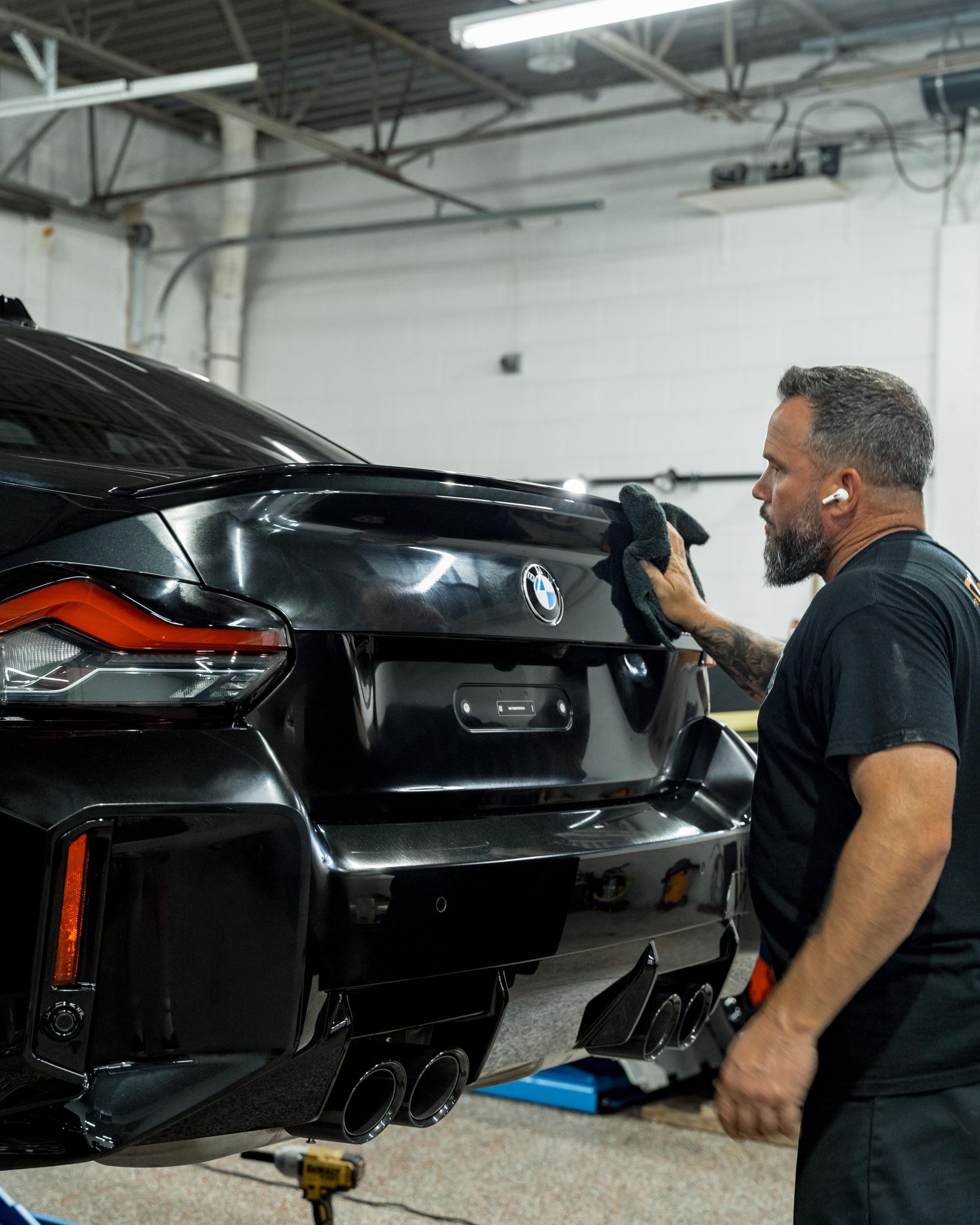
When you invest in quality PPF, you're purchasing more than just a protective layer; you're securing years of coverage that actively combats common causes of paint fading and damage. This longevity owes much to advanced film formulas that maintain clarity, resist yellowing, and even self-heal minor surface scratches when exposed to warmth. Such self-healing properties work because the elastomer within the polyurethane can flex and flow slightly under heat. So if your film picks up a small scratch during everyday driving, time and sunlight can gently erase it. Combined with UV blockers embedded in the film, PPF significantly slows down the sun-driven oxidation process that dulls and fades vehicle paints over time. To harness these benefits fully, regular maintenance with gentle cleaning products is essential. Using pH-neutral soaps and microfiber cloths prevents micro-abrasions on the film surface.
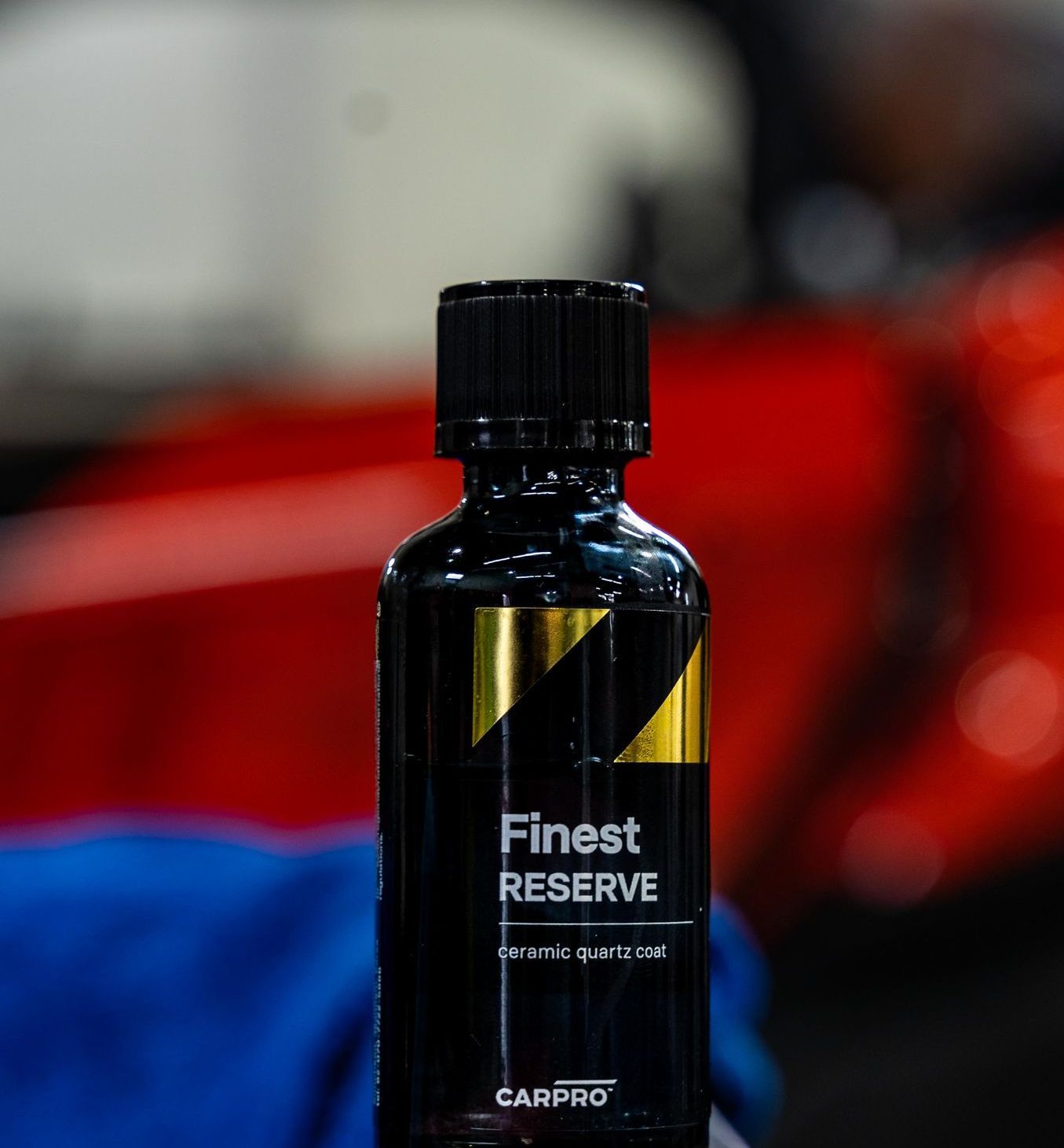
Also, applying ceramic coatings on top of PPF can enhance water repellency and chemical resistance, making dirt easier to wash off while further shielding your paint beneath. It's important to note that not all films are created equal. Lower-quality PPF may yellow prematurely or bubble due to inferior adhesives or materials vulnerable to environmental stresses like temperature shifts and humidity. This underlines why professional PPF installation by certified technicians matters. They ensure proper application techniques that maximize durability and appearance over years. For car owners serious about maintaining showroom shine for years, partial wraps targeting vulnerable zones such as bumpers, hoods, side mirrors, or door edges offer an excellent balance between cost and protection. Full-vehicle coverage remains ideal but comes with a higher upfront investment.
Technology Behind PPF Materials
Paint protection film is no ordinary transparent layer. It's a precisely engineered multi-layered armor designed to absorb damage that would otherwise mar your vehicle's paint. At its core is a base layer made of thermoplastic polyurethane (TPU), prized for its flexibility and resilience. This foundational layer acts like a shock absorber, flexing when hit by road debris or minor impacts, ensuring the paint beneath remains unscathed. Above the TPU base lies a urethane clear coat that forms the visible surface you touch daily. This coat isn't simply glossy; it incorporates hydrophobic and UV-blocking technologies. Hydrophobic means it repels water efficiently, encouraging raindrops and dirt to bead up and roll off rather than stick around to cause stains or etching.
Meanwhile, UV inhibitors prevent the film, and more importantly the paint underneath, from fading or yellowing under prolonged sun exposure. Perhaps the showstopper in modern PPF technology is the self-healing top layer. When minor scratches or swirl marks form on the surface, heat energizes the polymer chains in this clear coat layer, allowing them to reflow and erase those imperfections. You simply let natural sunlight warm the area for some minutes, or alternatively, you apply gentle heat with a controlled heat gun, and watch as the fine scratch vanishes. This ability vastly extends the aesthetic lifespan of the film without requiring frequent polishing or waxing like traditional paint. Think of PPF's self-healing as the film continually working quietly in the background to maintain perfection.
PPF vs. UV and Temperature
The sun's ultraviolet rays are relentless agents of wear on your car's paint. Without any barrier, these rays break down the delicate paint pigments and clear coat polymers, causing colors to dull, fade, and peel. This is where Paint protection film steps in as a physical shield, acting like sunscreen for your vehicle's finish by absorbing and filtering out much of that damaging radiation. But the sun isn't just about UV; it also heats your car significantly. During sunny days, the surface temperature of your vehicle can spike dramatically, setting off cycles of expansion and contraction in the paint layers. These thermal stresses subtly stress paint molecules, eventually leading to micro-cracks that deteriorate the finish from within. Here, quality PPF really shines. It cushions the paint by effectively reducing heat absorption and stabilizing temperature swings at the surface level. Modern PPF formulations include specialized UV stabilizers that neutralize harmful rays before they penetrate deeper into the paint. These stabilizers slow down the breakdown of polymers and keep colors bright for longer.
Meanwhile, the film's inherent thickness acts as a buffer during thermal cycling, preventing fast expansion and contraction that can cause cracking or peeling over years. While PPF significantly reduces the intensity of sun damage on painted surfaces over time, combining it with ceramic coatings adds another layer of defense that improves dirt repellency and enhances gloss. When selecting PPF for effective UV and heat protection, focus on films boasting strong UV stabilizers, excellent heat resistance, and proven long-term clarity retention. Working with experienced installers ensures proper application free of bubbles or folds that could reduce protective performance. High-quality PPF doesn't just preserve your car's beauty; it safeguards its very structure against years of relentless sun exposure and temperature volatility, making it an indispensable ally for vehicle owners in sunny climates who want lasting paint perfection.
Installation and Maintenance
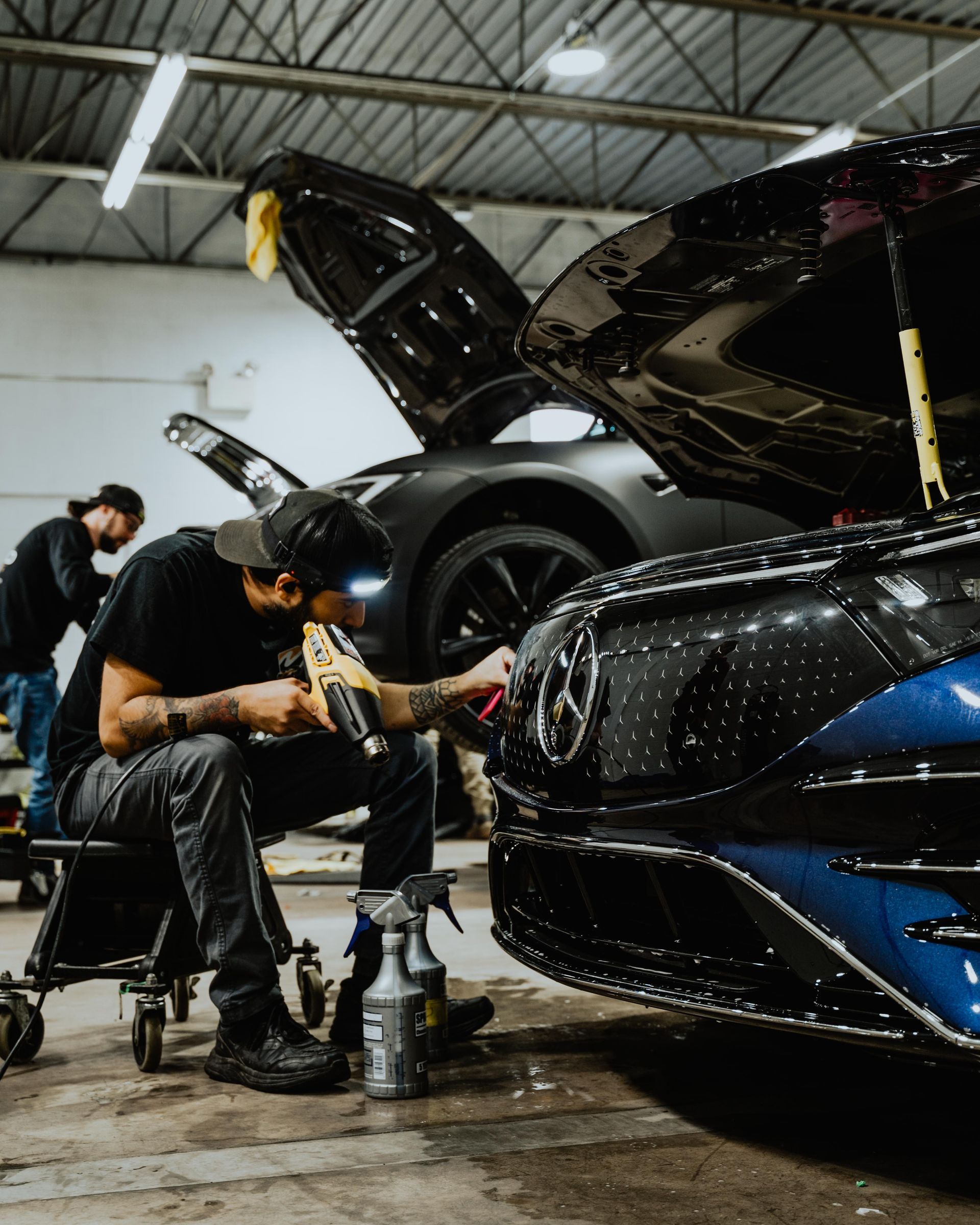
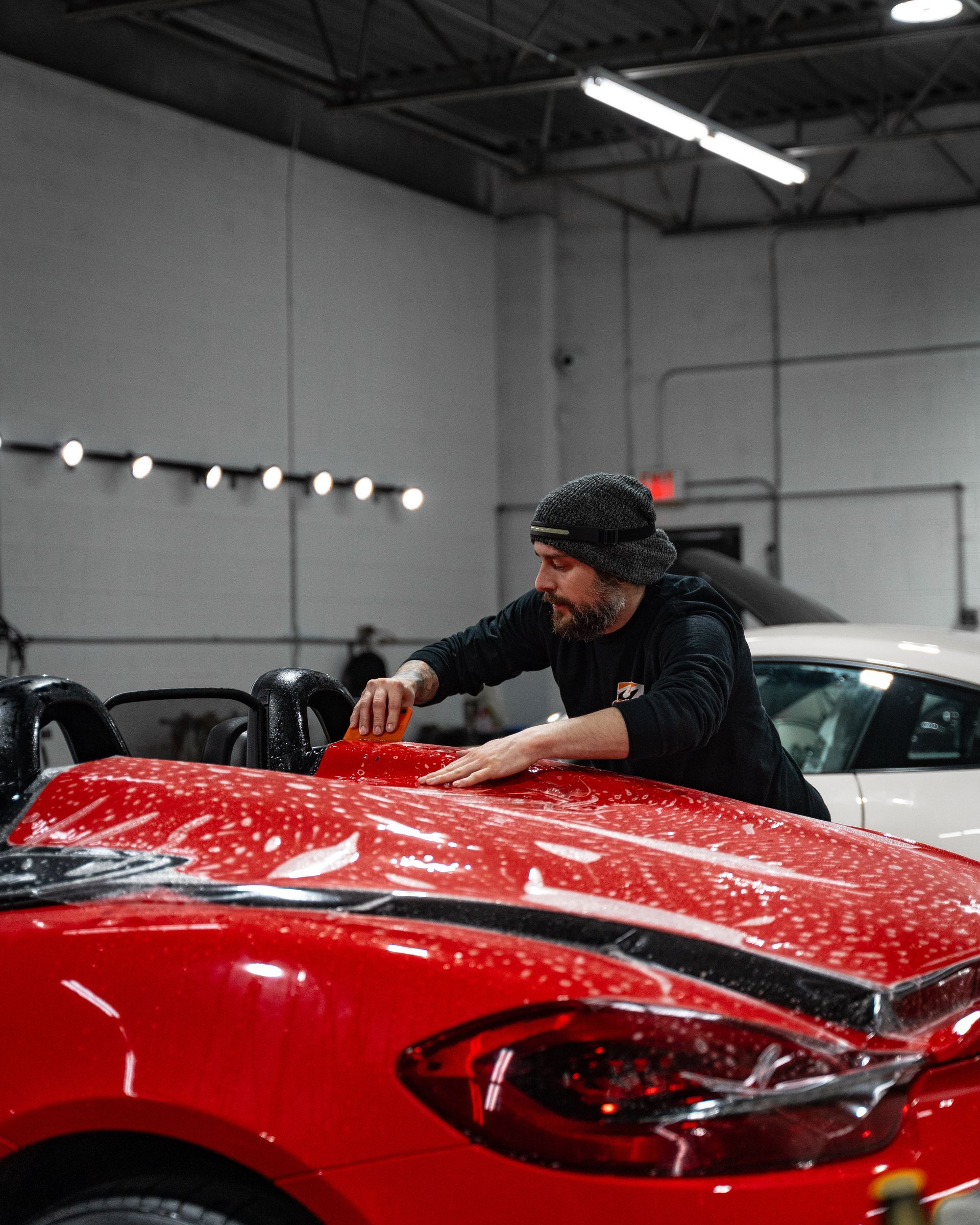
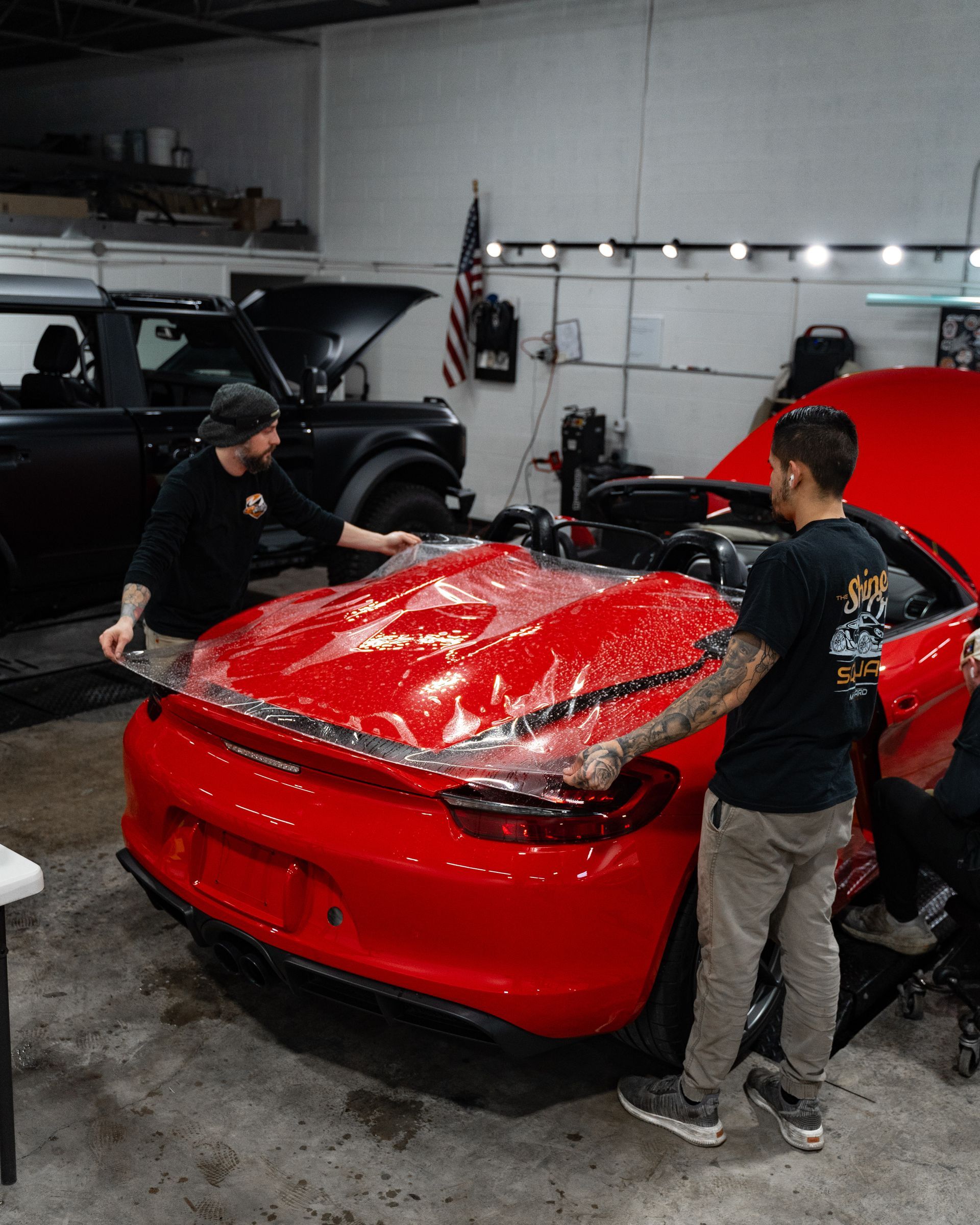
Installing PPF requires precision, attention to detail, and a series of carefully executed steps to ensure the film adheres perfectly and provides the long-term protection it promises. The journey starts with pre-installation preparation. Without a spotlessly clean and defect-free surface, even the best film can fail prematurely through peeling or bubbling. Professionals conduct a detailed vehicle inspection to identify any existing damage like scratches or swirl marks. These imperfections need to be repaired beforehand; otherwise, they'll be trapped beneath the film. Next comes intensive cleaning, followed by treatments to remove microscopic contaminants that cling stubbornly to paint surfaces. The final touch before laying down the film is wiping down the surface to remove oils and residues that could prevent proper adhesion.
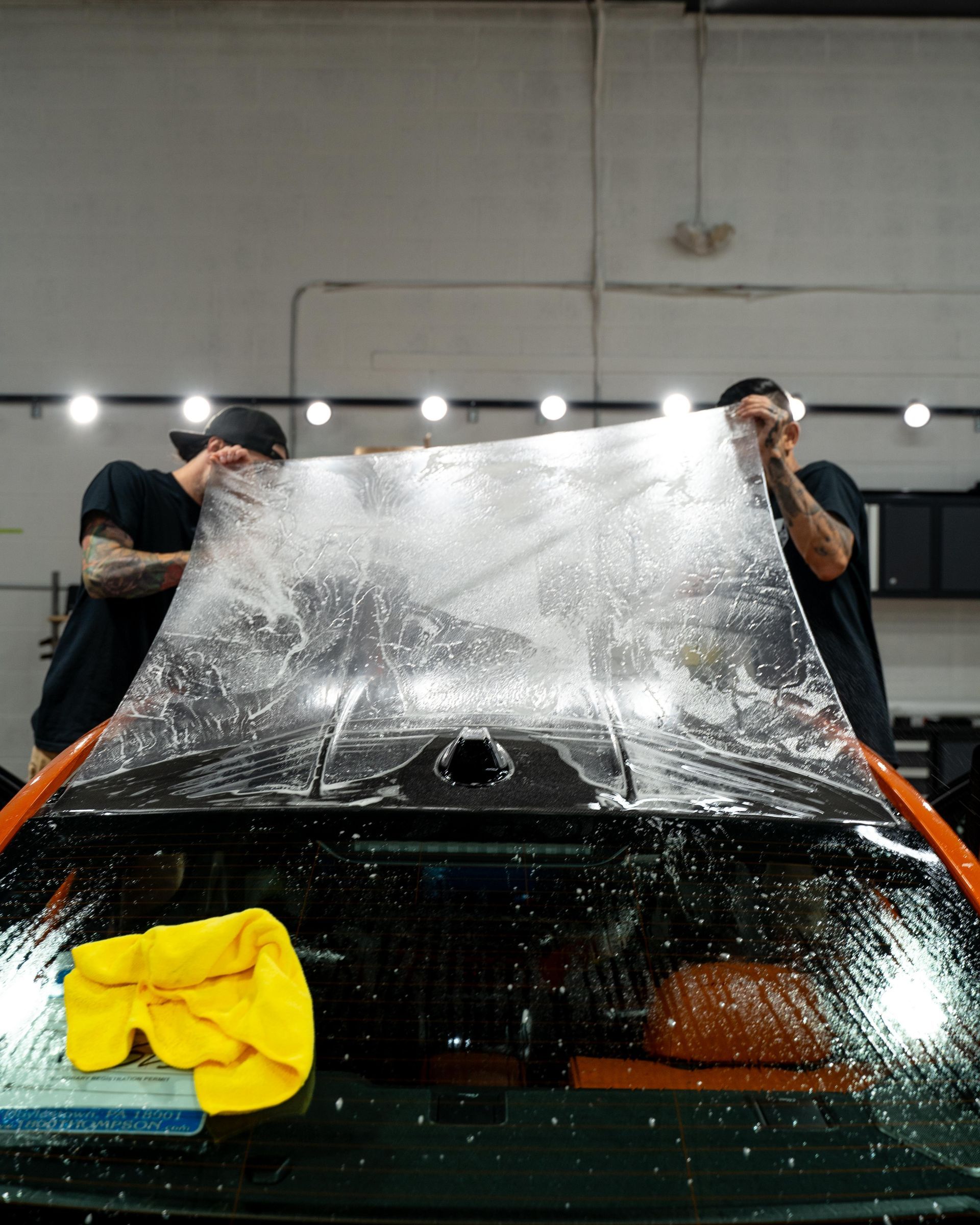
Once prep is complete, attention turns to measuring and cutting the PPF sheets. The real skill begins with handling the film itself. Installers patiently push out air bubbles from the center outward with firm but gentle strokes, a process that requires both finesse and patience. Edge wrapping and corner tucking follow as critical finishing techniques that create a seamless look and extend durability. After application comes curing, the period when adhesives set and tension in the film relaxes. During this time, the vehicle should avoid exposure to dust, rain, or car washes to prevent contaminants from embedding under the film surface. Caring for your paint protection film doesn't have to be complicated. The secret lies in simple, consistent habits. Regularly washing your car with a pH-neutral soap is key because harsh detergents can strip away protective oils or degrade the film's surface. Using a soft microfiber cloth rather than rough sponges prevents scratches. Spot cleaning is essential.
Bird droppings, tree sap, and bug splatter contain acidic components that can etch into the PPF if left unattended. Removing these quickly helps avoid stains and potential damage. Regular inspection of the PPF surface helps catch issues early before they worsen. Look closely for any lifting edges or small bubbles forming under the film. By incorporating these small daily tasks into your car care routine, you preserve not only your vehicle's shine but also the protective function of the PPF itself. This approach extends the lifespan of your investment while keeping your car effortlessly showroom-fresh.
Shield Your Shine in Voorhees, NJ
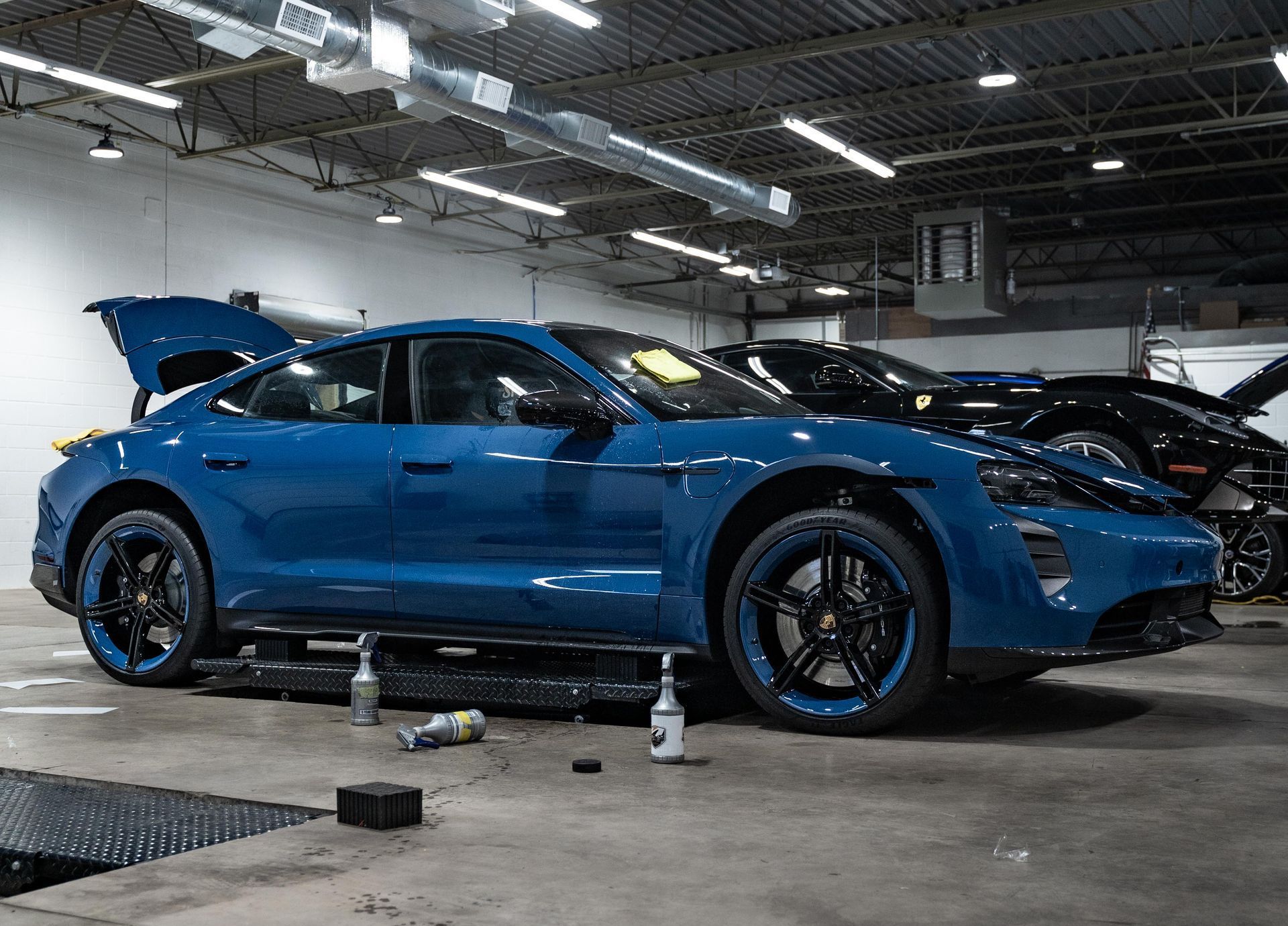
If you are serious about protecting your vehicle from long-term paint fading, Menard Premium Detailing delivers expert paint protection film services right here in Voorhees, NJ. Their precision-installed PPF creates a durable, nearly invisible barrier against UV rays, environmental fallout, and daily wear that gradually dulls your finish. With professional surface prep, seamless edge wrapping, and high-quality film designed for long-term clarity, your vehicle keeps its depth, gloss, and value for years to come.
Schedule your paint protection film installation with Menard Premium Detailing today and give your vehicle the long-lasting defense it deserves!