Ceramic Coating vs. Traditional Wax: Which is Better for Your Car?
Walk into any car care aisle, and you will find a shelf full of wax products promising a brilliant shine and lasting protection. Most of them deliver on the shine, for a while. The protection side of the equation is a different story. That gap between what wax promises and what it realistically provides over time is exactly what drove car owners toward ceramic coatings and why so many stay.
But the comparison is worth having properly. Wax is not useless. It is accessible and does provide a surface-level shield. The question is whether that level of protection matches what your car actually needs, how long you plan to keep it, and how much time you want to spend on upkeep. Here is a clear-eyed look at both options.
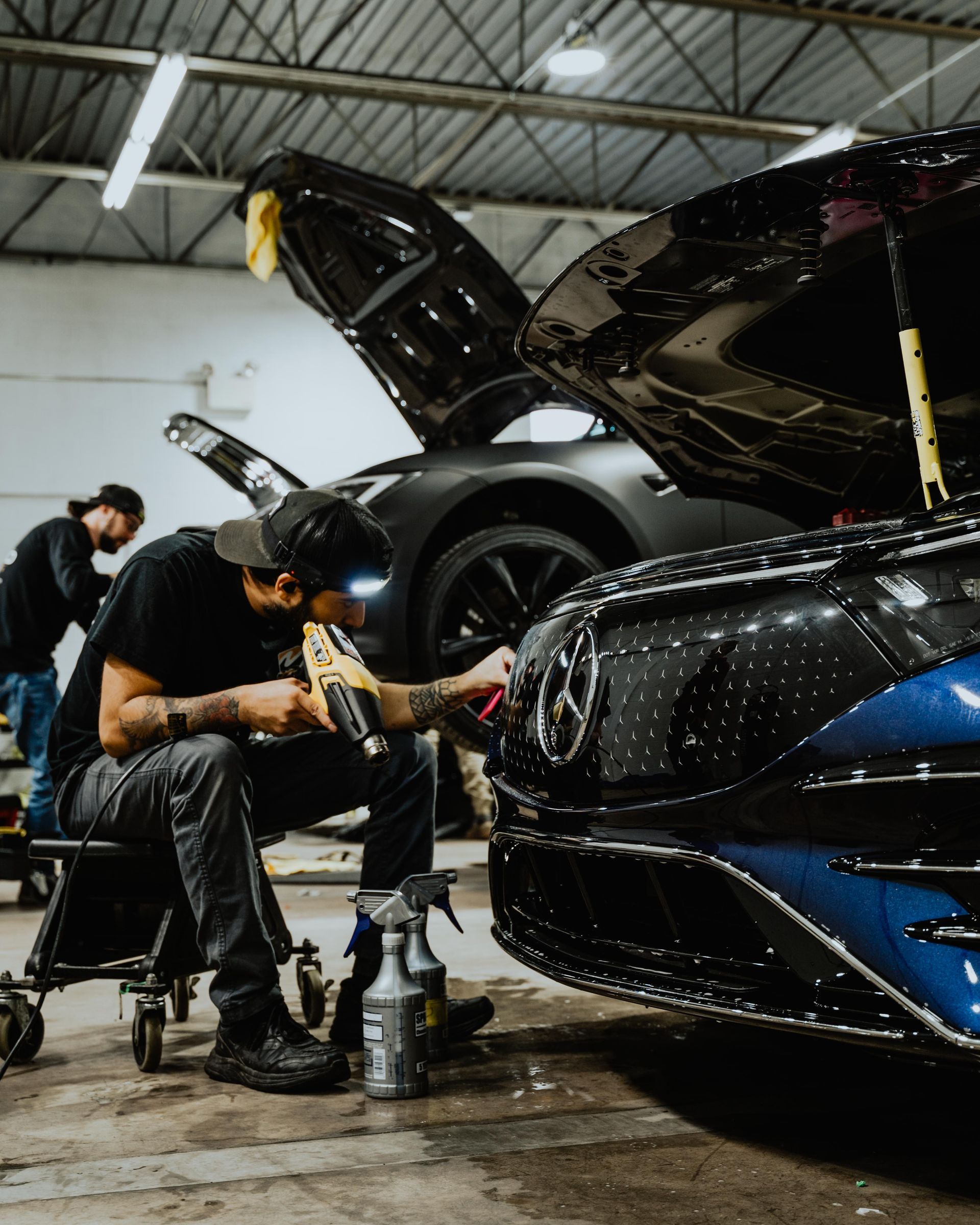
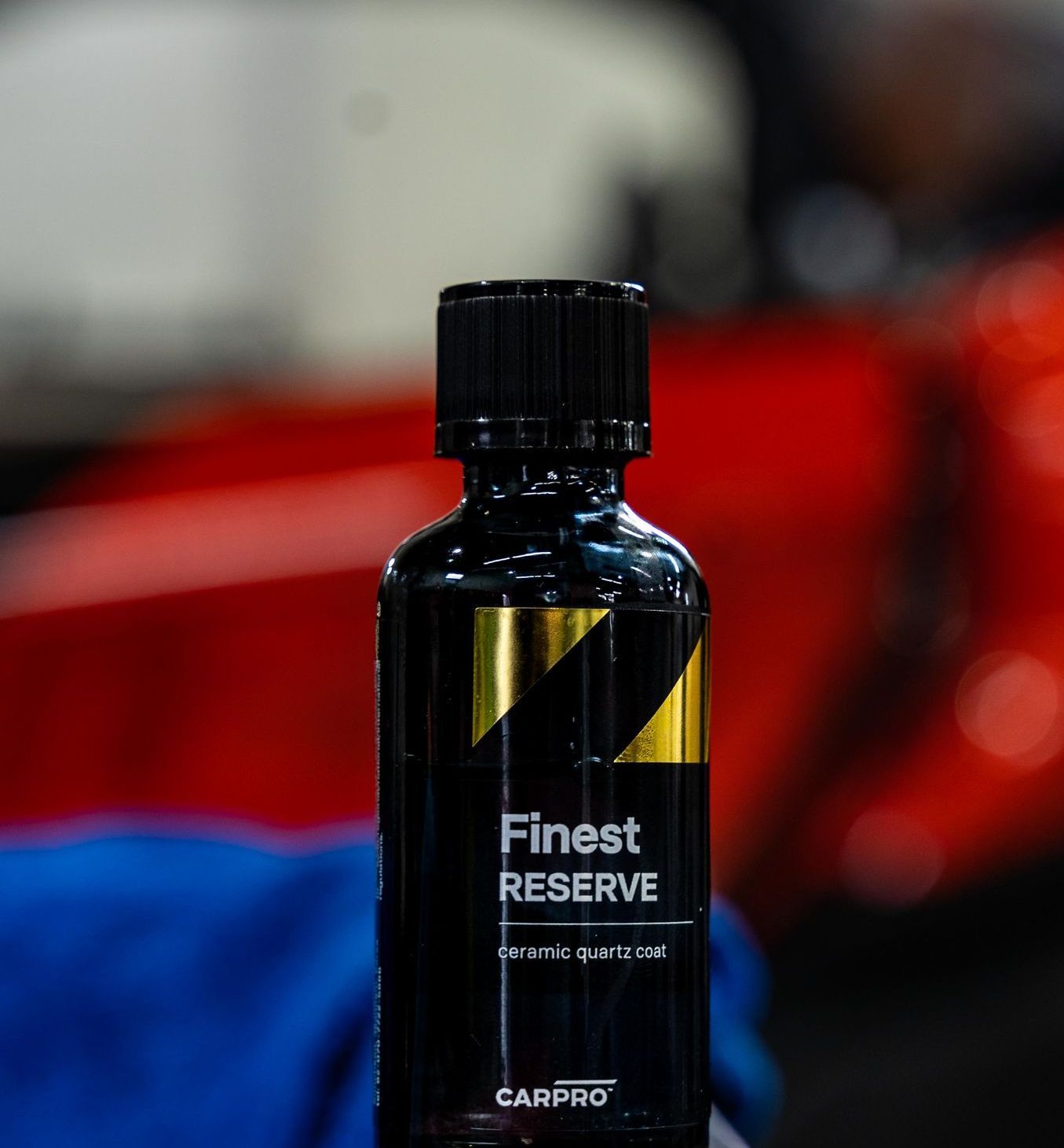
At Menard Premium Detailing in Warminster, the team works with CQuartz ceramic coating products and regularly helps drivers in Bucks County, Montgomery County, and beyond work through the ceramic coating vs. traditional wax question. The Menard site is direct: you will not get the same level of shine and ease of maintenance from traditional waxes or store-bought sealants.
How Each Product Works
For a deeper look at the CQuartz products used at Menard, visit the CARPRO coatings page before reading on.
Before comparing them, it helps to understand what each product actually does at a basic level.
Traditional wax is a surface product. It sits on top of your paint and creates a thin, temporary barrier. Over time, that barrier wears down through exposure to rain, sunlight, washing, and temperature changes. Once it is gone, the paint is unprotected again until the next application.
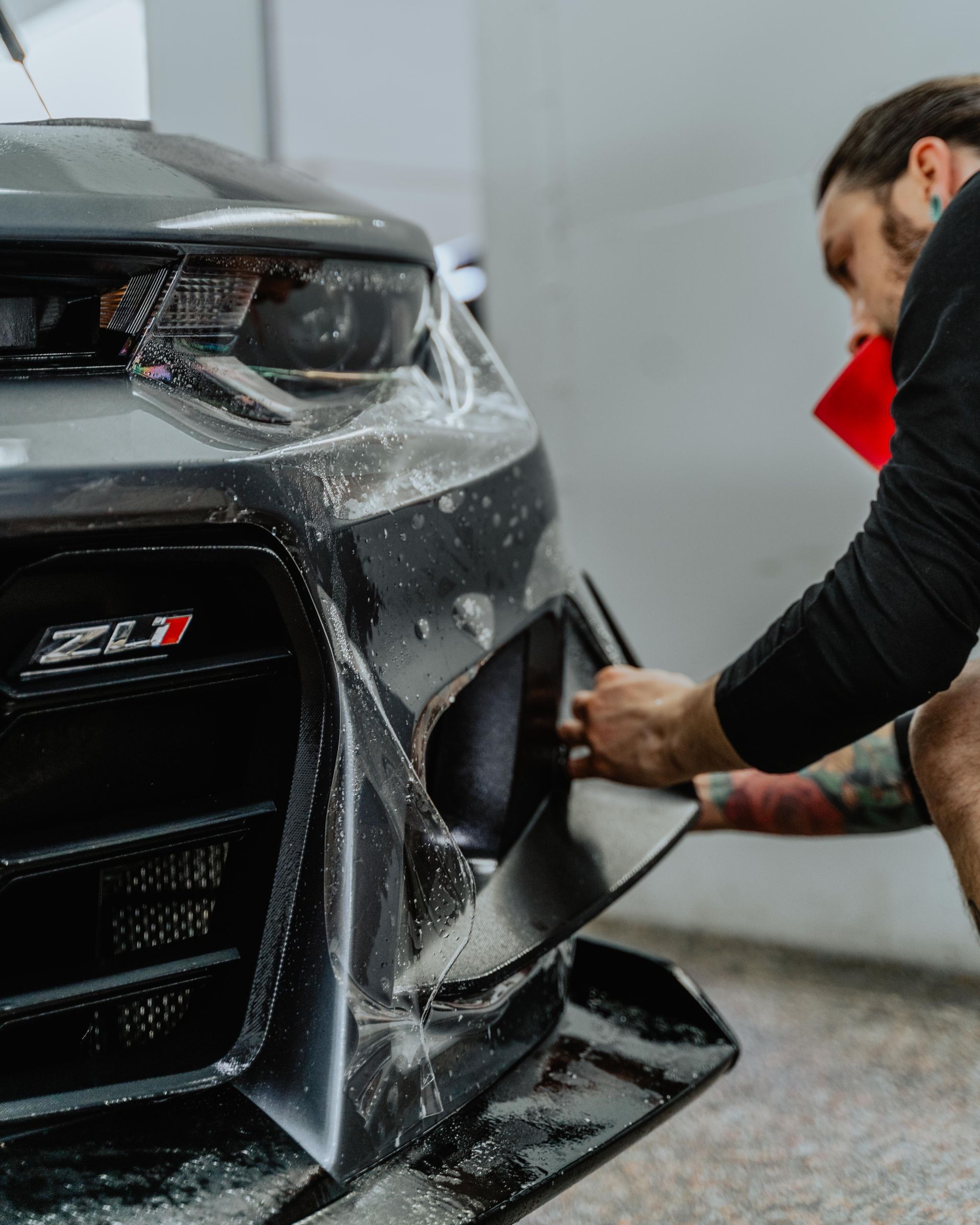
Ceramic coating works differently. As the Menard site explains, it is a liquid applied by hand that bonds with your car's paint using millions of microscopic nanoparticles. Once fully cured, the coating integrates with the clear coat rather than sitting on top of it. It does not wash away. This fundamental difference in how each product adheres to the paint is what drives every other distinction between them.
Ceramic Coating vs. Traditional Wax: The Core Comparisons
Durability
This is where the gap is most obvious. Traditional wax requires regular reapplication to stay effective. Heat, rain, and washing all accelerate its degradation. The Menard site is clear: wax demands constant reapplication to maintain its surface enhancement role.
In the ceramic coating vs. traditional wax durability comparison, CQuartz Professional offers over two years of protective coverage. The site also notes ceramic coatings are "often lasting for several years" and do not need continuous reapplication to stay effective. That durability difference is the main reason most enthusiasts do not go back once they have tried a professional coating.
Protection from Contaminants
Wax creates a basic barrier against light contamination. It can help water bead and provide a short-term buffer against some surface elements. But it is not built to resist more serious environmental threats for long.
Ceramic coating, on the other hand, is confirmed on the Menard site to guard against a much wider range of threats: UV rays and oxidation, water stains, oil marks, road salts, chemicals, solvents, brake dust, iron contamination, debris, weathering, insects, dust, asphalt, and tar. Environmental hazards like bird droppings, tree sap, acid rain, and road spray are also covered in that protection list. That is a significantly broader and more durable protective profile than wax can offer.
UV Protection and Oxidation Prevention
UV damage is a slower-burning threat. Over time, UV rays break down clear coat, causing fading and oxidation. Wax offers limited UV protection compared to a coating, and whatever filtration it does provide disappears once the product degrades.
Ceramic coating's UV defense is a listed benefit on the Menard site, confirmed to cover UV rays and oxidation as part of its protection profile. That shield persists for the life of the coating rather than needing periodic renewal.
Ease of Maintenance
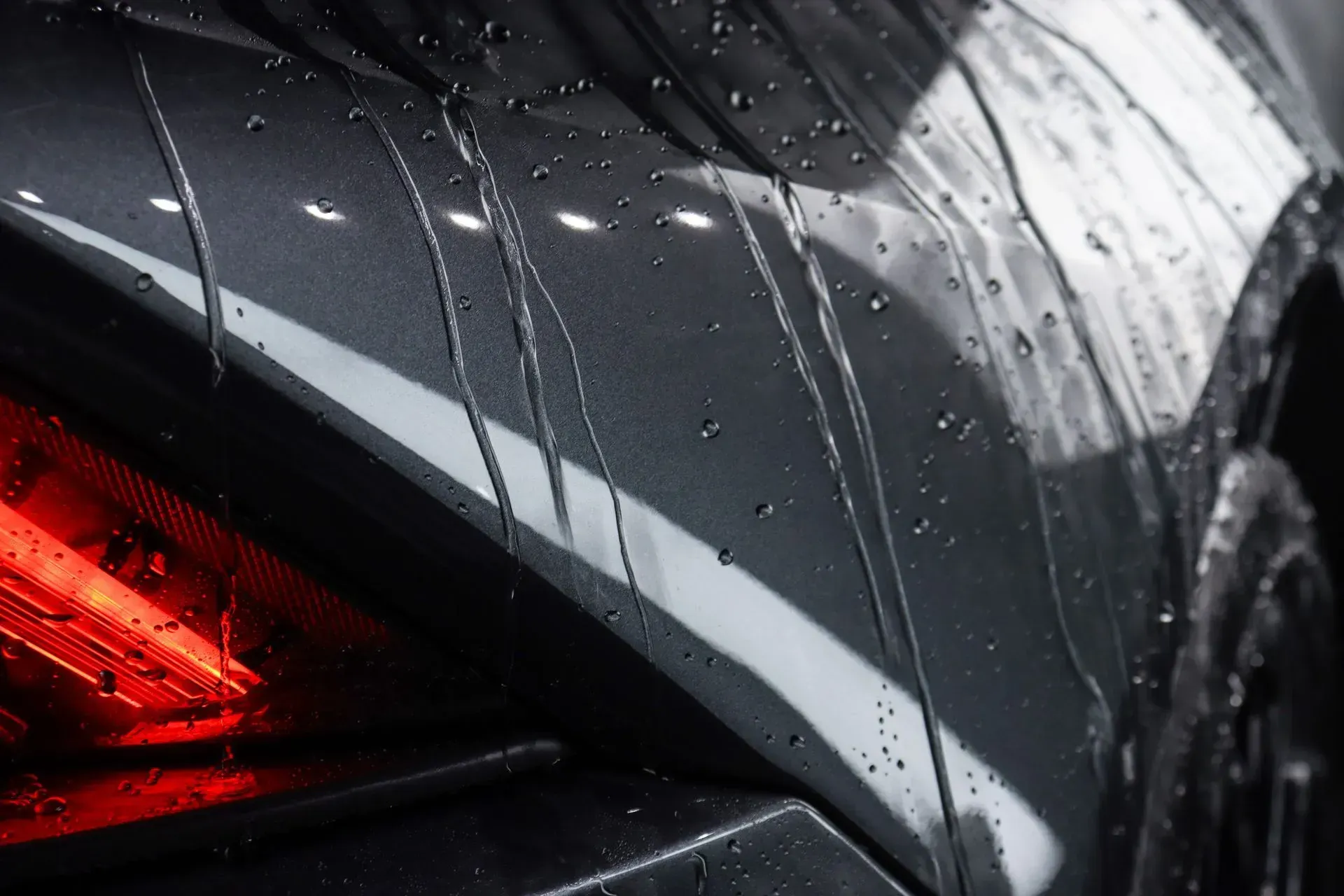
The Menard site describes ceramic coatings as an effective, low-effort way to preserve your vehicle's quality and showroom appearance over time. The long-lasting hydrophobic surface means water beads and slides away, and contaminants have less opportunity to bond with the paint. Less scrubbing, less buildup, and no reapplication cycle to manage.
With wax, the maintenance cycle continues indefinitely. The product wears off, the paint loses its protection, and the process starts again. For drivers who prefer to spend time enjoying their car rather than maintaining it, that distinction matters.
Appearance and Gloss
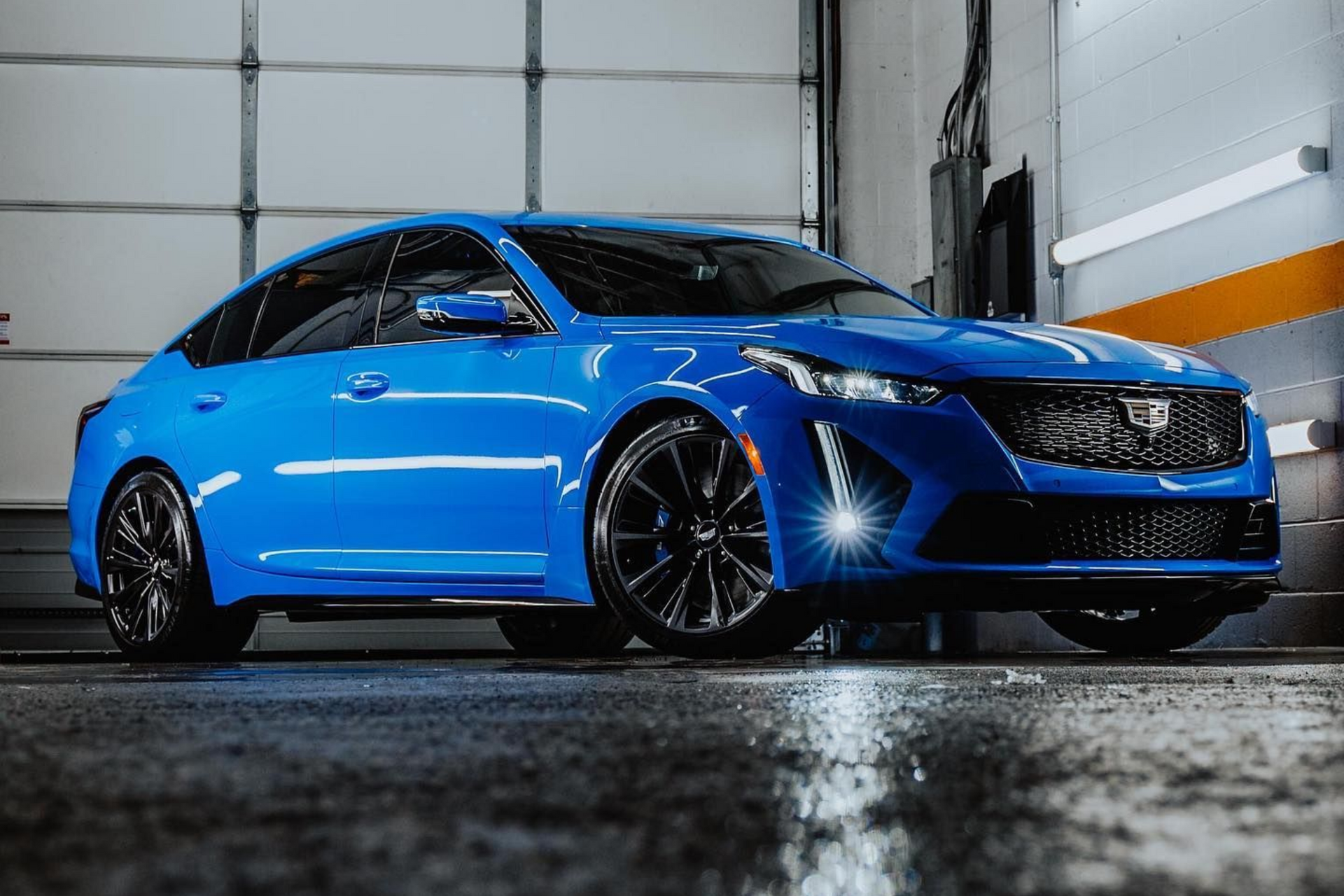
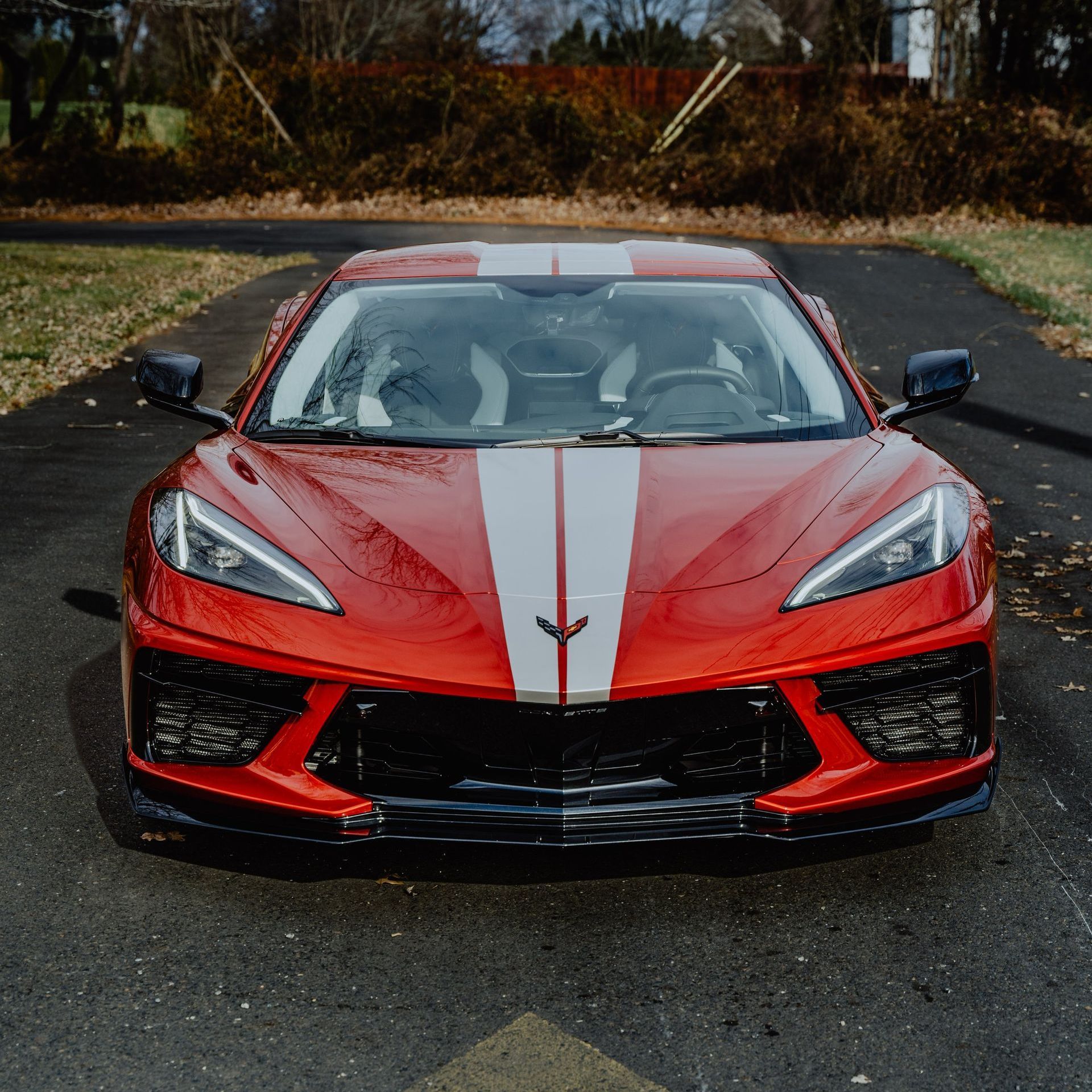
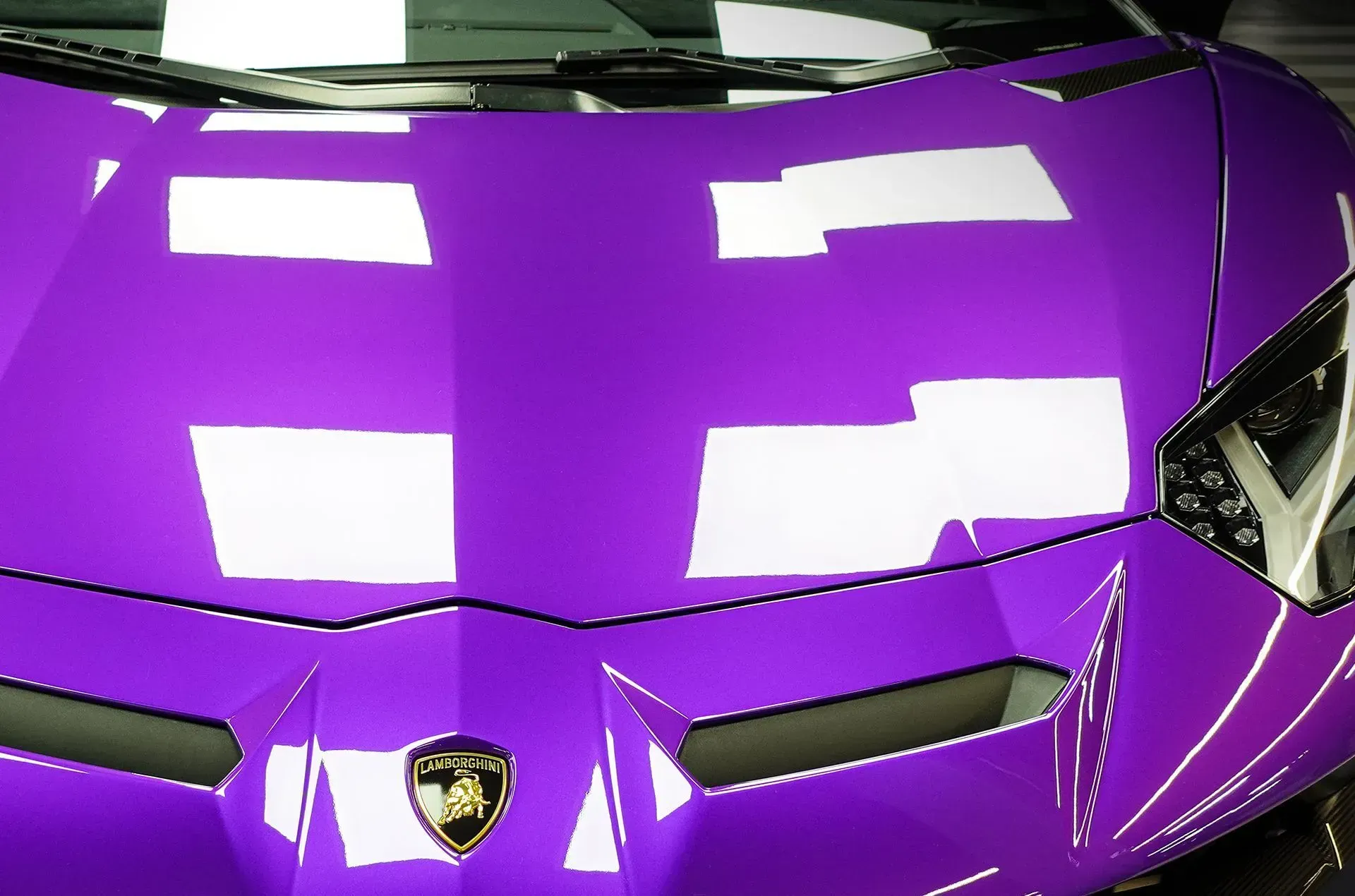
Both options can make a car look good, but not in the same way. Wax creates a surface sheen that looks great for a while. A properly applied ceramic coating produces something deeper. The Menard site describes the CQuartz result as a "high-gloss finish that brings out the color and depth of the vehicle's paintwork." The result is a richness and clarity in the finish that surface products do not replicate.
What Wax Still Does Well
The comparison is not entirely one-sided. Wax is accessible and simple to apply at home. For drivers who want to put something on between professional detailing appointments, or who are managing a vehicle they do not plan to keep long, wax provides a serviceable baseline of protection and shine.
The limitation is that wax works best when expectations are realistic. It is a temporary surface solution, not a long-term bonded protective layer. For anyone who genuinely wants to preserve paint quality and reduce maintenance, it falls short of what a ceramic coating delivers.
Which Option Is Right for You?
Explore the ceramic coating packages at Menard to see which tier fits your goals.
When it comes to ceramic coating vs. traditional wax, the honest answer depends on your situation. Here is a practical breakdown:
- Choose wax if: You want a quick, accessible surface shine for a vehicle you are not planning to hold long-term, or you want something to apply between professional treatments
- Choose ceramic coating if: You want lasting protection, a showroom finish that holds up over time, reduced maintenance demands, and improved resale value for a vehicle you genuinely care about
For most drivers who fall into the second category, the Menard site makes the case clearly: a ceramic coating is the right call for anyone wanting to preserve their vehicle's quality and appearance without a constant upkeep cycle.
Ready to Go Beyond Wax? Let's Talk.
If you have been going through the wax cycle and wondering whether there is a better option, there is. A professionally applied ceramic coating changes the baseline of how your car looks and how much effort it takes to keep it that way. Reach out to us for a free estimate. Check the reviews page to hear what real customers say.
Frequently Asked Questions
Does Ceramic Coating vs. Traditional Wax Make a Difference in Resale Value?
Yes, and clearly so on the ceramic coating side. A ceramic coating will greatly increase a vehicle's resale value. The reasons include improved appearance from the nanoparticle bonding, the hydrophobic properties that keep the paint in better condition, and the long-lasting nature of the product. Wax does not offer the same long-term surface preservation that contributes to meaningful resale value improvement.
Does Ceramic Coating Require Paint Correction Before Application?
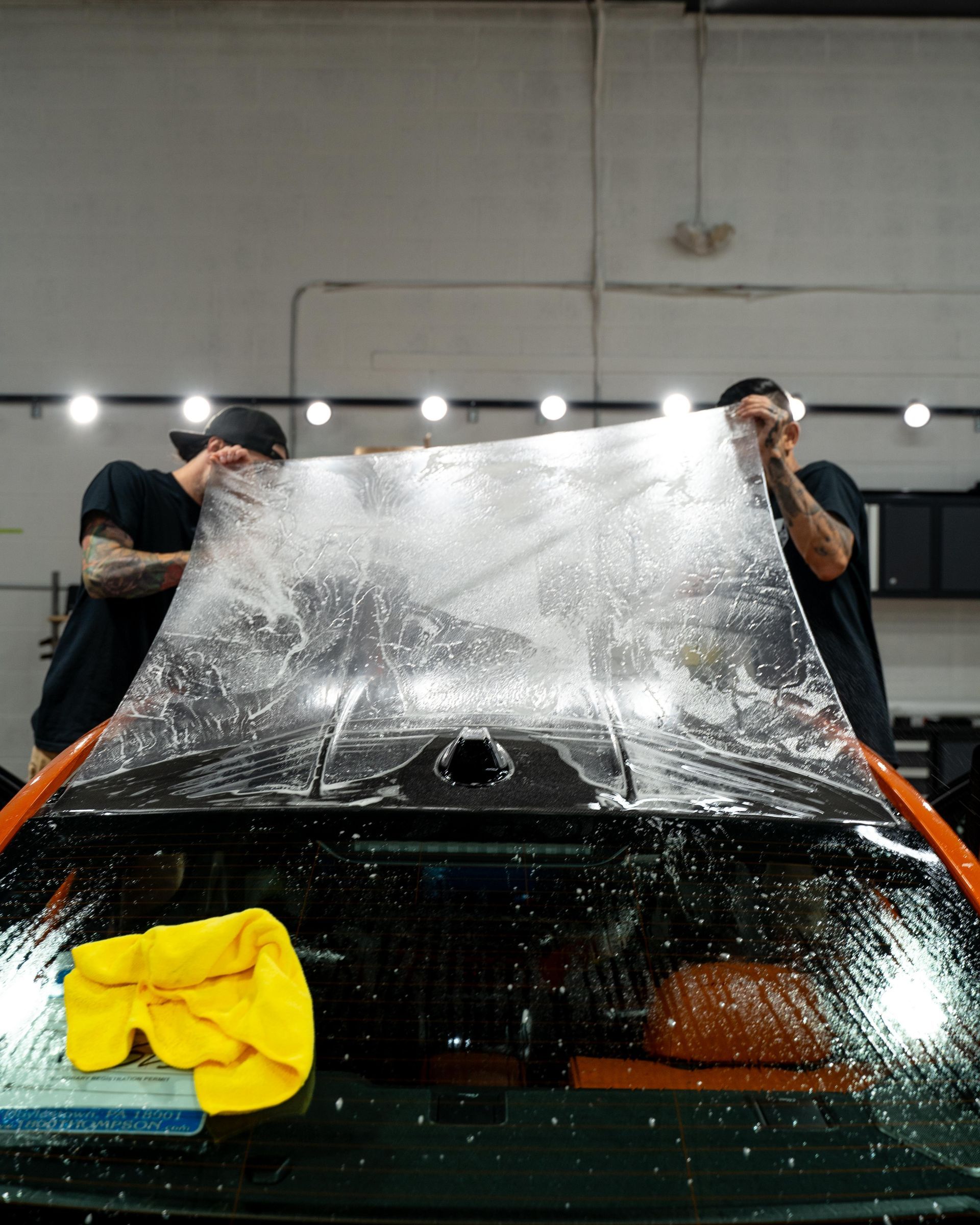
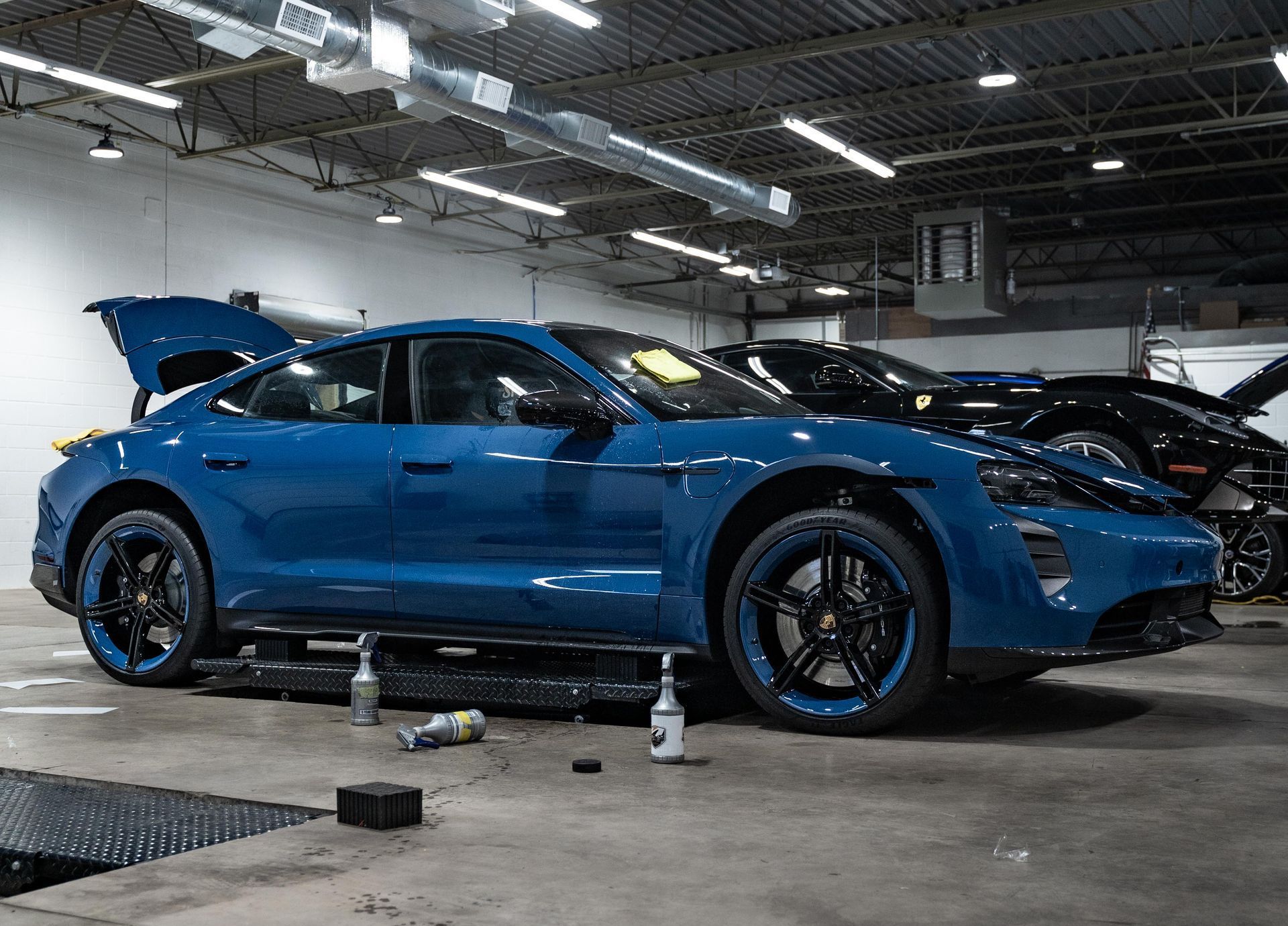
Yes, and this is non-negotiable at Menard Premium Detailing. The coating bonds to the paint as it is at application time, so any surface imperfections get sealed in rather than corrected. Every CQuartz project at Menard begins with a detailing and paint correction process. The level of correction depends on the package selected.
Is Wax a Good Option Between Professional Ceramic Coating Treatments?
The coating itself handles ongoing protection without a wax layer on top. Regular maintenance washing is still important, though. The Menard site notes that harsh chemical contaminants left on the coating over time can reduce its effectiveness, so routine cleaning matters even with a coating in place.
How Do I Know If Ceramic Coating Is Worth It for My Specific Vehicle?
The best starting point is a conversation with the Menard team. They can assess your vehicle's current paint condition, walk through which package level makes sense, and help you understand the realistic long-term benefits based on how you drive and how long you plan to keep the car. A free estimate is available through the contact page.
Can a Ceramic Coating Be Removed If Needed?
Yes. The Menard site confirms that ceramic coatings can be removed and reapplied if necessary. The process requires professional effort and specific steps to ensure the underlying paint remains unaffected. This includes a cutting process similar to paint correction, surface preparation, and then reapplication of a new coating package.