Paint Protection Film vs. Ceramic Coating: Which Is Right for Your Car?
Two of the most talked-about vehicle protection options today are paint protection film vs. ceramic coating. They often come up in the same conversation, get compared side by side, and are sometimes mistaken for doing the same job. They do not. They protect against different threats, work through different mechanisms, and serve different needs.
The good news for drivers who want thorough protection is that they are not mutually exclusive. But choosing wisely starts with understanding what each one actually does, what it does not do, and where the two products overlap.
At
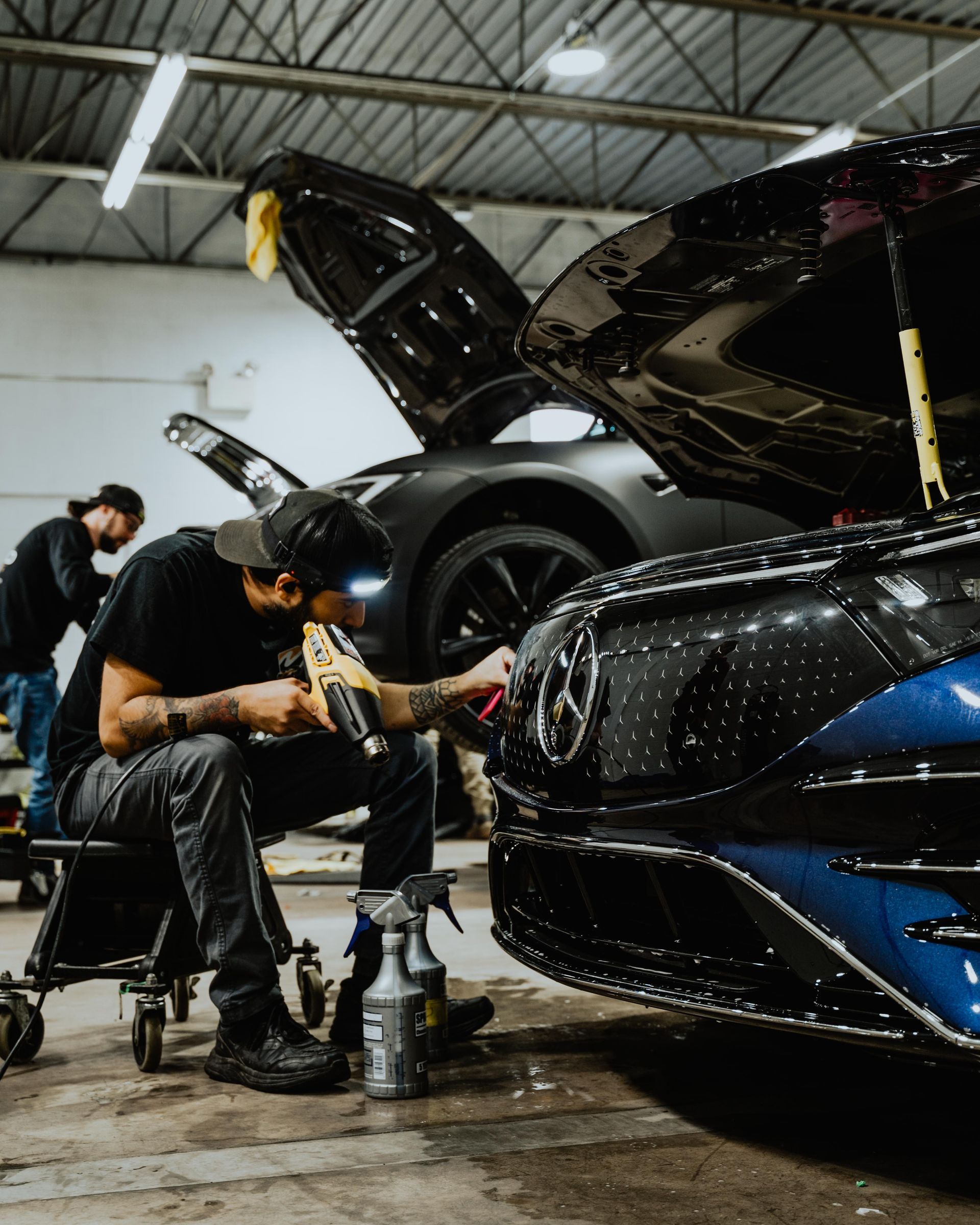
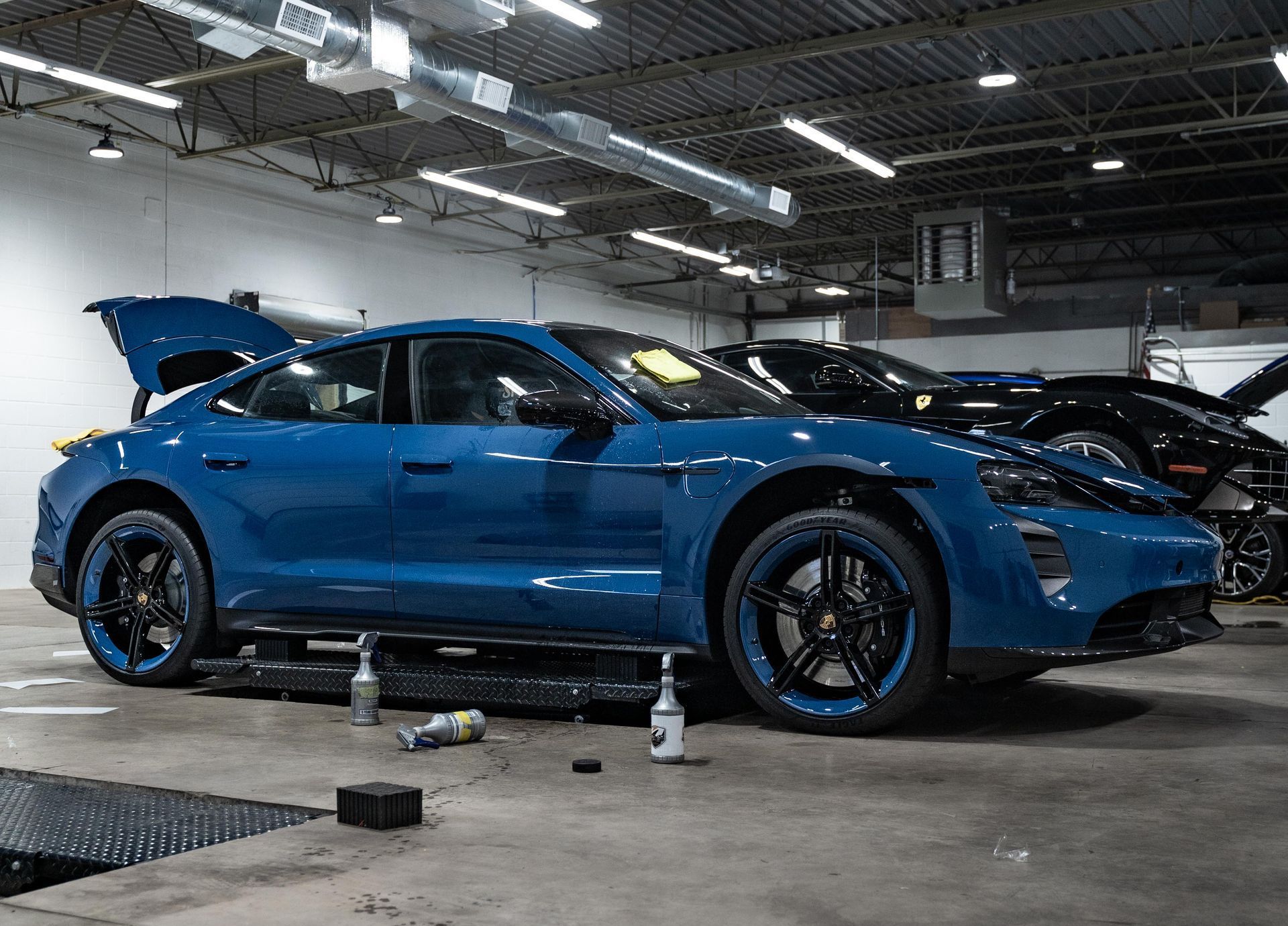
Menard Premium Detailing in Warminster, the team installs both: STEK paint protection film as a Black Label Installer and CQuartz ceramic coatings as a CQuartz Certified Professional. The Menard ceramic coating page puts it plainly: ceramic coating is not a substitute for paint protection film. The reverse is also true. Here is how to think through which option or combination is right for your vehicle.
What Each Product Actually Does
Before comparing them, it helps to understand how each product works at a basic level.
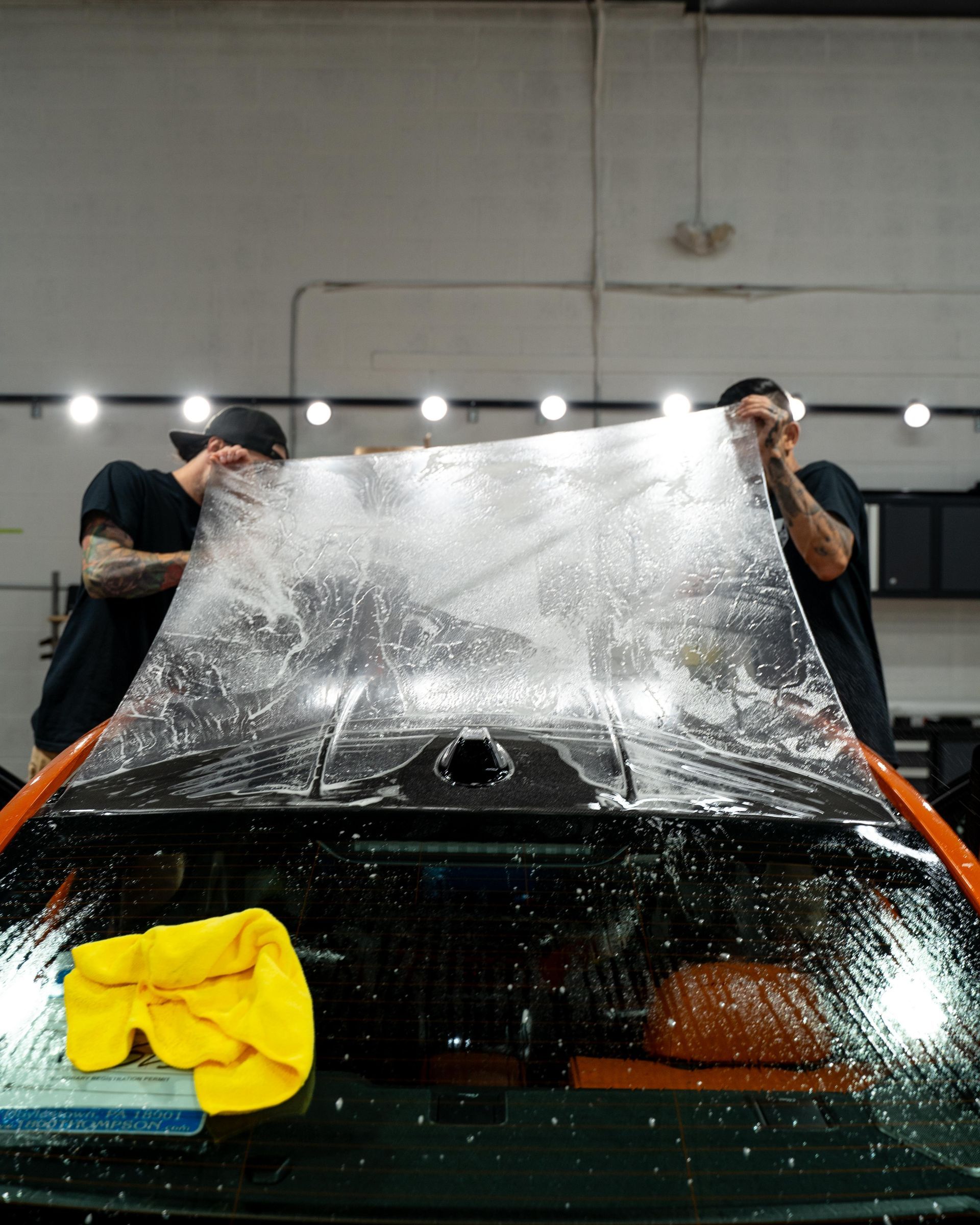
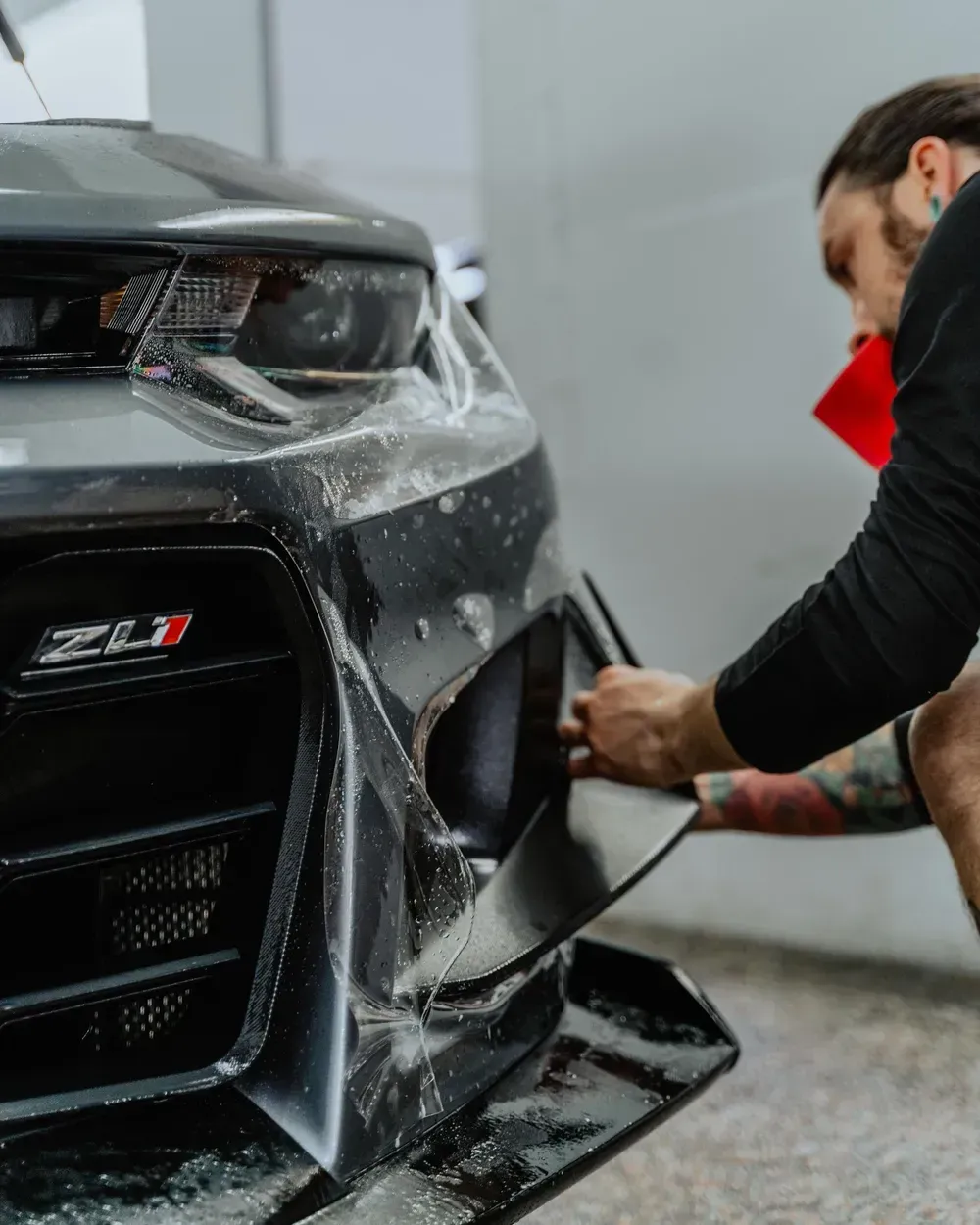
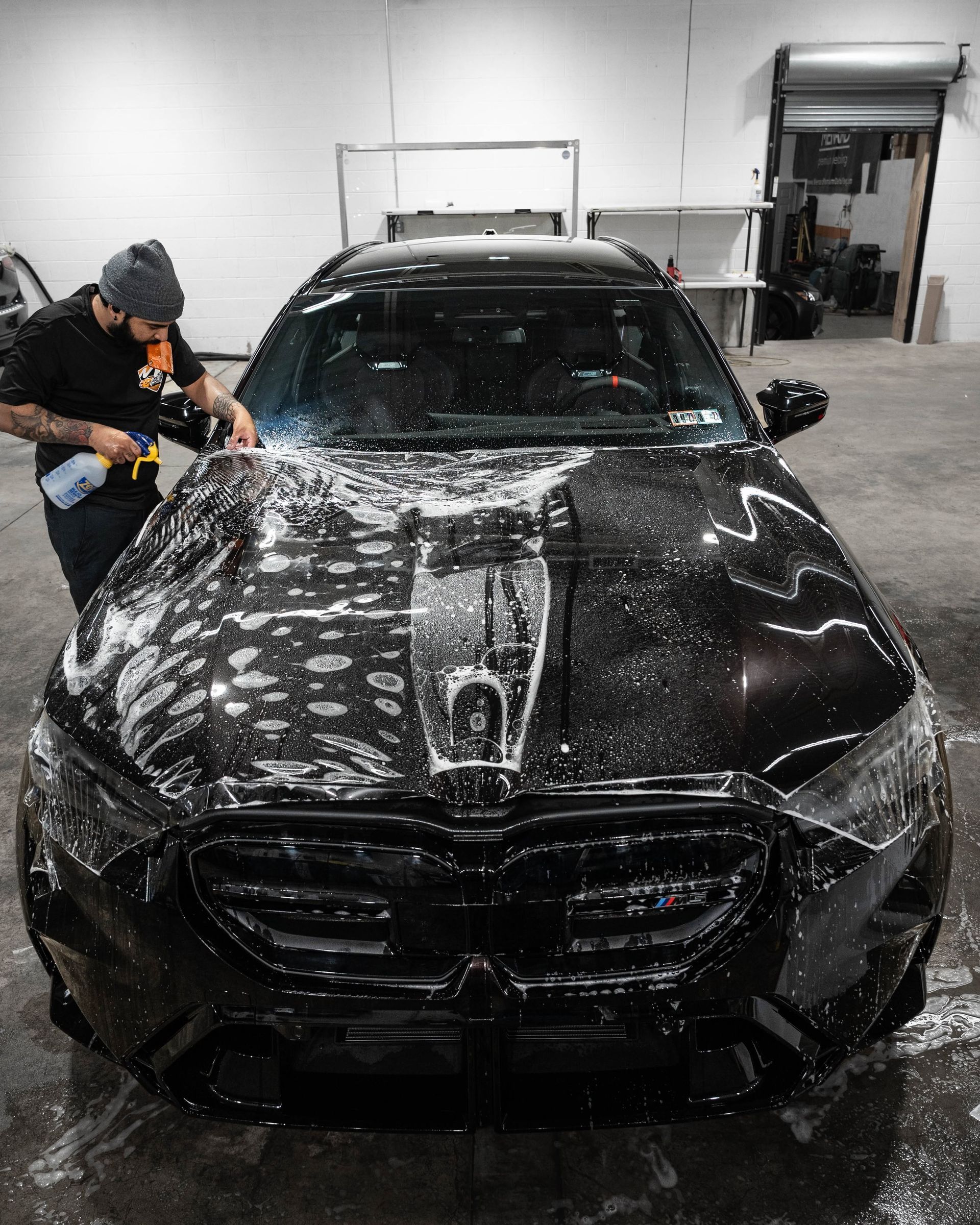
Paint protection film is a physical barrier. STEK PPF is an 8-mil thermoplastic urethane film installed by hand over the vehicle's painted surfaces. It physically absorbs the impact of road hazards: nicks from airborne debris on highways, surface marks in the clear coat, swirl marks, stains from bug splatter and contaminants, and UV-related fading and oxidation. Browse the PPF packages at Menard to understand which coverage level fits your driving habits.
STEK film also has self-healing properties activated by heat or warm water. Minor surface defects resolve on their own through the thermoplastic urethane construction of the film. The film can be removed and replaced without affecting the paint beneath, and STEK's products carry a 10-year warranty covering delamination, yellowing, bubbling, and cracking.
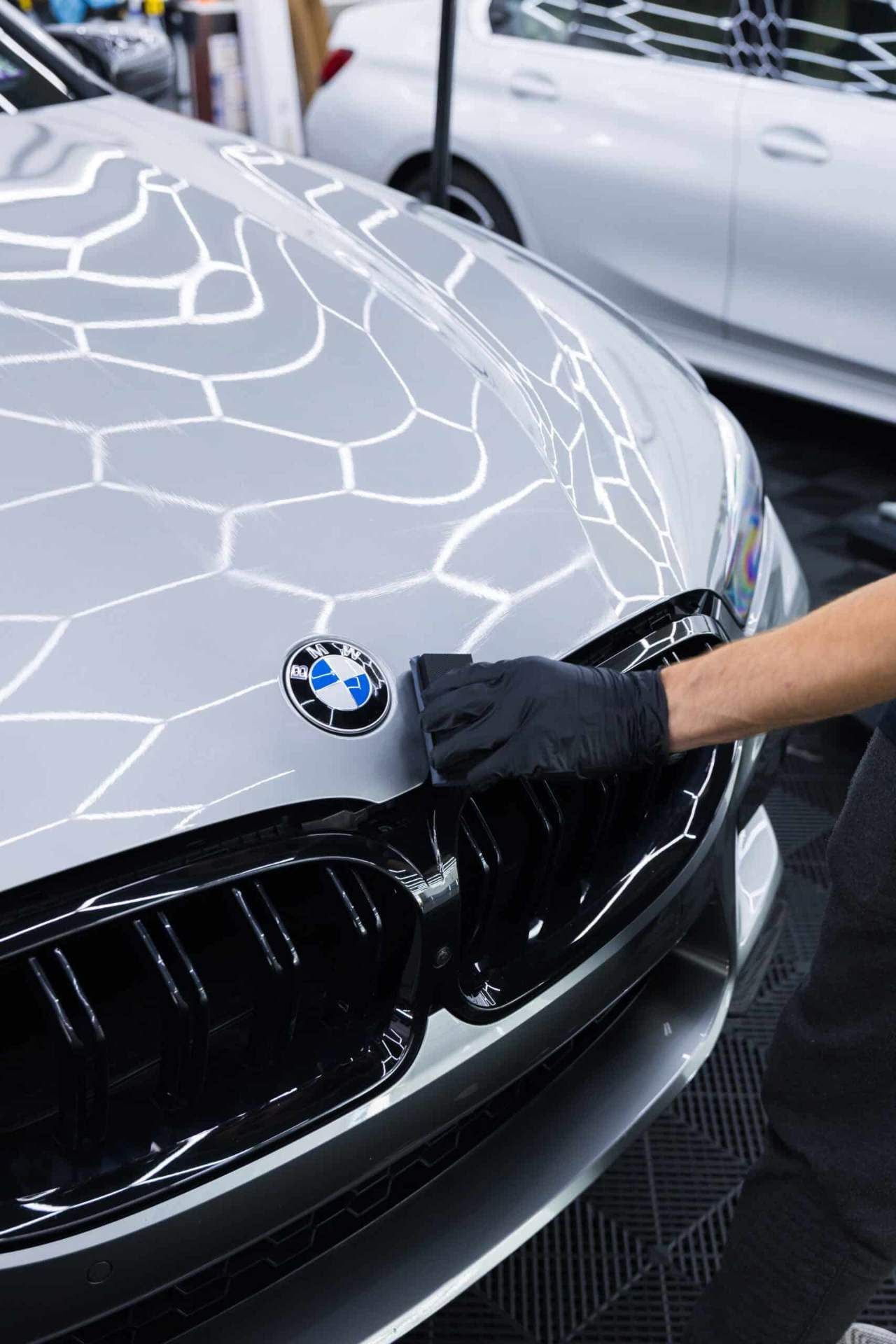
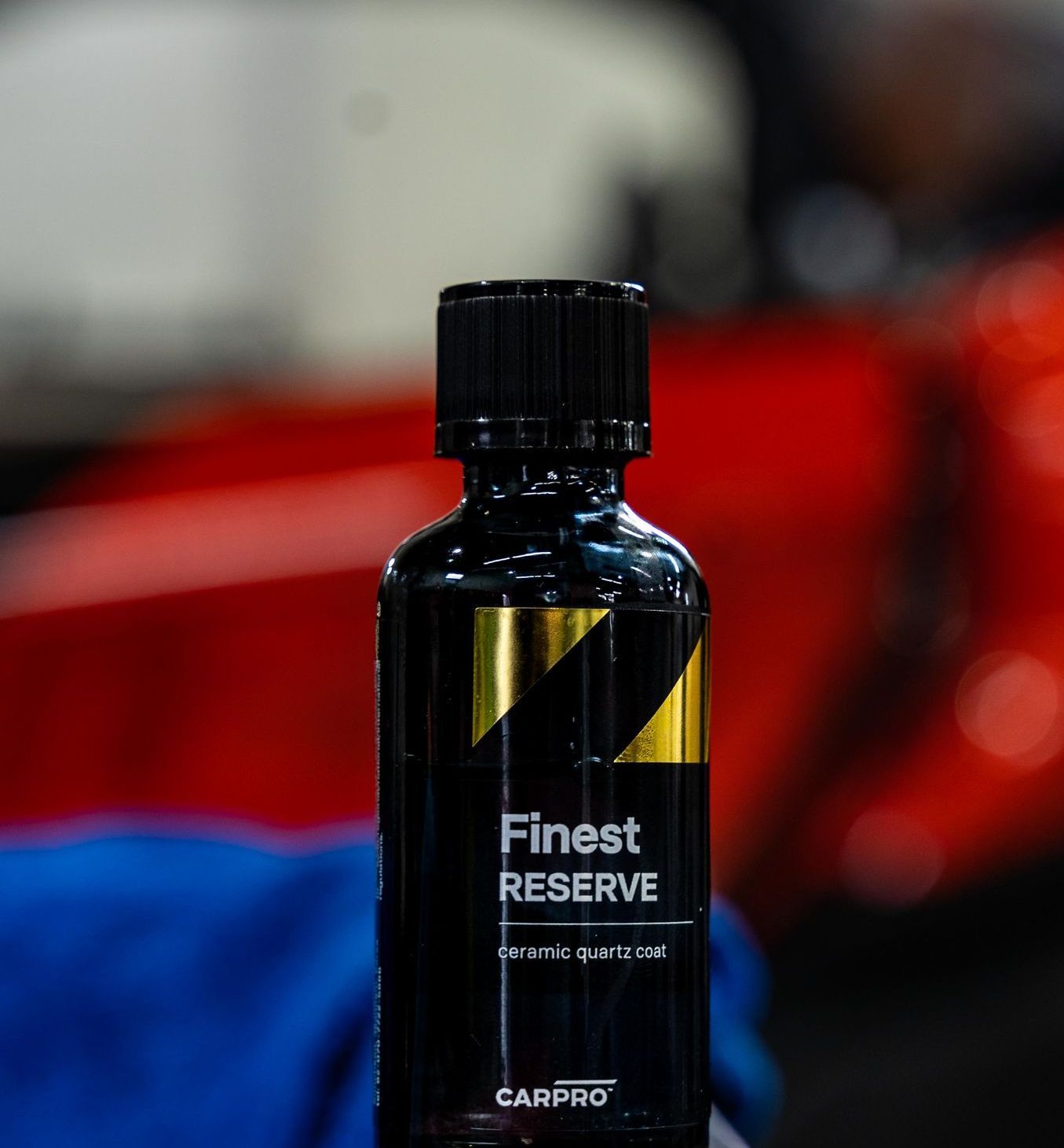
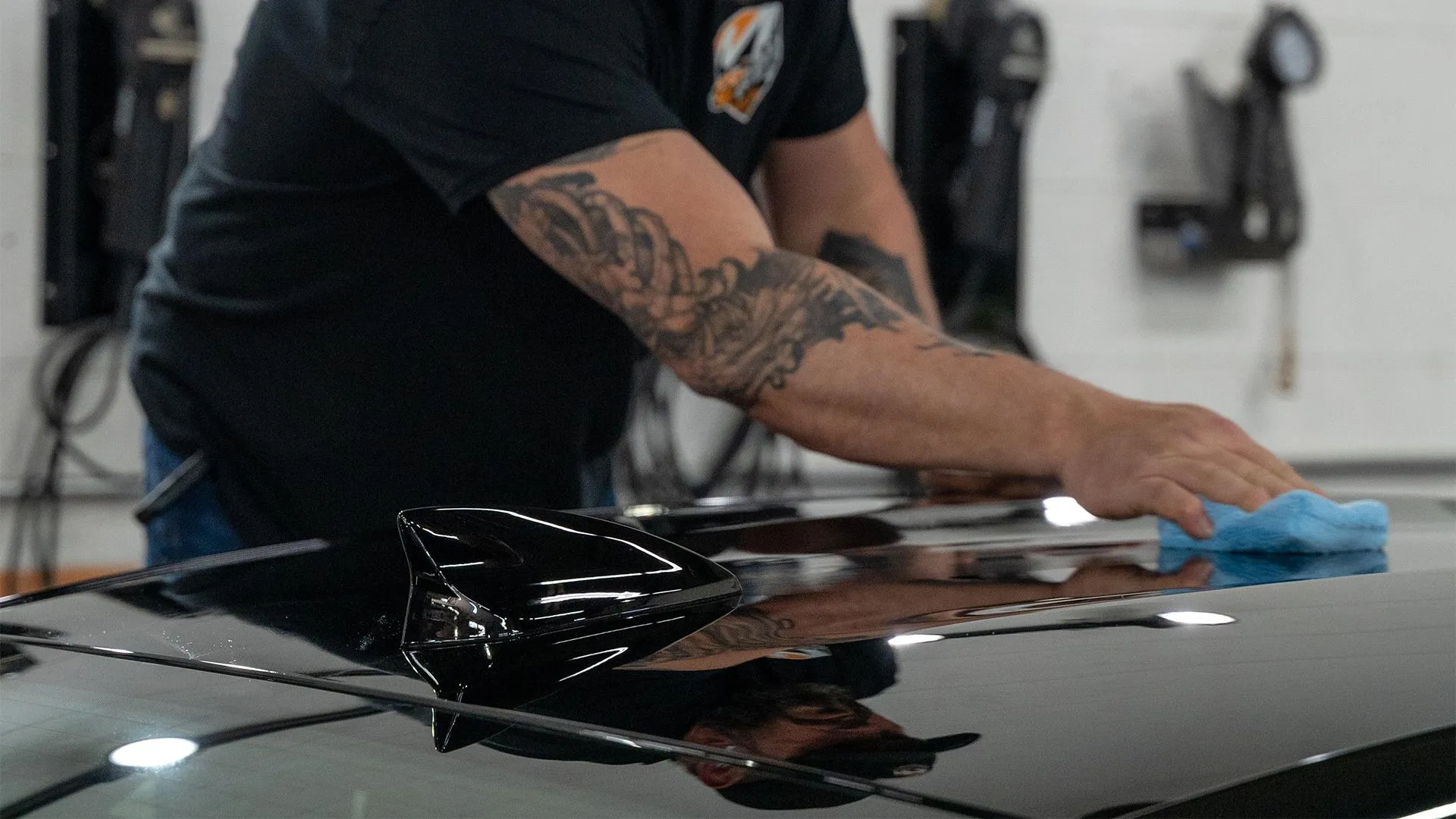
Ceramic coating works differently. A CQuartz coating is a hand-applied liquid formulated with millions of microscopic nanoparticles that bond with the clear coat at a molecular level. Once cured, it creates a long-lasting hydrophobic surface. Water, dirt, and contaminants have far less to grip. Review the CQuartz ceramic coating packages for a full look at the tier options.
Ceramic coating does not self-heal. It does not absorb physical impacts. What it does is protect against UV rays and oxidation, water stains, road salts, chemicals, bird droppings, tree sap, acid rain, insects, dust, asphalt, and tar, while dramatically reducing the frequency and effort of routine cleaning.
Paint Protection Film vs. Ceramic Coating: The Core Differences
The Menard site summarizes it directly in the ceramic coating FAQ. The difference between PPF and ceramic coating comes down to physical strength. Ceramic coatings provide hydrophobicity and contamination resistance. PPF resists surface damage, nicks, swirls, and is a self-healing, flexible film.
In plain terms:
- PPF protects against: Road debris, chips, nicks, surface marks in the clear coat, swirl marks, bug splatter, UV damage, and oxidation. The film physically takes the impact so the paint does not have to.
- Ceramic coating protects against: UV rays, oxidation, water stains, bird droppings, tree sap, road salts, chemicals, asphalt, and environmental contamination. It does not absorb physical impacts.
- PPF self-heals: Minor surface defects disappear with heat from the sun. Ceramic coating does not self-heal.
- Ceramic coating repels more: The hydrophobic surface makes routine cleaning dramatically easier. PPF also has hydrophobic properties but ceramic coating goes further in contamination resistance.
- PPF is physical: It is a film that sits over the paint. Ceramic coating bonds with the clear coat at a molecular level.
Learn more about STEK film technology and the CQuartz product line on the Menard site before booking a consultation.
Which Option Is Right for Your Vehicle?
The answer depends primarily on how the vehicle is used and what risks the paint is exposed to most.
PPF makes the most sense when:
- The vehicle is driven regularly on highways where road debris is a consistent threat
- The driver wants physical impact protection that absorbs chips and nicks before they reach the paint
- Long-term paint preservation matters and the vehicle will be resold or traded in
- The vehicle has complex body panels or a paint finish that would be costly to repair
- The owner wants self-healing coverage that handles minor surface marks passively over time
Ceramic coating makes the most sense when:
- Reducing cleaning time and keeping the vehicle looking cleaner longer is the priority
- UV and contamination protection is needed but road debris is less of a primary concern
- The vehicle is used primarily for shows, kept in storage, or driven infrequently
- A long-lasting hydrophobic finish that enhances gloss and color depth is the goal
- The owner wants a low-maintenance protection option that lasts for several years without reapplication
Both together make the most sense when:
- The vehicle is a daily driver that faces real road conditions, and the owner wants thorough protection from every angle
- Full-body coverage is desired, combining the physical defense of PPF with the contamination resistance of ceramic
- Long-term value preservation is the priority from every angle
The Menard site confirms that ceramic coating is available on all full-body PPF packages. For drivers who want the most thorough approach, this combination covers both physical impact protection and hydrophobic contamination resistance.
Maintenance and Longevity
Both products are lower maintenance than unprotected paint or regular wax, but they require different ongoing care.
PPF maintenance: Keep the film clean through regular washing. Organic contaminants like bird droppings, tar, and bug splatter should be removed promptly. Avoid directing high-pressure spray at film edges. The self-healing properties handle minor surface defects passively. The Menard site confirms PPF reduces the need for auto details and paint correction over time.
Ceramic coating maintenance: Regular washing is still required to keep the coating performing well. The Menard site notes that ceramic coatings can be negatively impacted by harsh chemical contaminants left on the surface too long. The vehicle gets dirty more slowly and cleaning is significantly easier, but the coating is not maintenance-free. Most CQuartz packages at Menard last for several years without reapplication.
Protection That Lasts. Let's Talk About Your Vehicle.
For drivers making a serious decision about paint protection film vs. ceramic coating, the right answer is rarely a coin flip. It comes down to how the vehicle is used, what threats matter most, and what level of maintenance fits the owner's lifestyle.
Head to the contact page for a free estimate and a conversation with the Menard team about which option or combination is right for your specific vehicle.
Real feedback from drivers who have been through both services is available on the reviews page.
Frequently Asked Questions
Can Paint Protection Film and Ceramic Coating Be Used Together?
Yes, and this is often the strongest approach. The Menard site confirms that ceramic coating is available on all full-body PPF packages. Paint protection film vs. ceramic coating is not really a competition. They defend against completely different threats, and layering them gives the vehicle the broadest level of paint protection available.
Is Paint Protection Film vs. Ceramic Coating More Expensive?
Both vary in cost based on the package selected and vehicle size. Neither carries publicly listed pricing at Menard, and both require consultation for accurate pricing. A free estimate is available through the contact page. Full-body PPF installations are generally more involved than ceramic coating applications due to the precision of film cutting and edge wrapping.
Does Ceramic Coating Work Like Paint Protection Film for Chips and Road Debris?
No. This is the most common misconception about ceramic coating. The Menard site is explicit: ceramic coating is not a substitute for paint protection film. Ceramic coating protects against contamination, UV rays, and chemical threats, but it does not absorb the physical impact of road debris the way PPF does. For drivers who want chip and nick protection, PPF is the right product for that specific job.
How Long Does Each Product Last?
STEK PPF carries a 10-year warranty covering delamination, yellowing, bubbling, and cracking. CQuartz Professional ceramic coating offers over two years of protective coverage, and the Menard site notes that ceramic coatings often last for several years. Both products can eventually be removed and replaced or reapplied by professionals when needed.
Does PPF Affect the Look of My Vehicle?
No, when professionally installed. STEK PPF is designed to be virtually invisible and blend with the vehicle's finish. Level 4 full-body coverage is available in both gloss and satin finishes. CQuartz ceramic coating also does not alter the vehicle's appearance. Both products are designed to preserve the original look of the paint while adding protection.