Proper Washing Techniques for Vehicles with Paint Protection Film
You spent real money protecting your vehicle. Whether it is a full-body STEK wrap or a front-end package, paint protection film West Chester owners know that PPF is an investment worth caring for. The good news is that modern film handles everyday driving without much drama. The catch is that how you wash your car actually matters more once the film is on.
A lot of vehicle owners assume that because PPF is tough, they can treat it like bare paint or run it through any automated tunnel wash. That thinking leads to premature wear, clouding around edges, and buildup that does not rinse off easily. None of that has to happen if you know what you are doing.
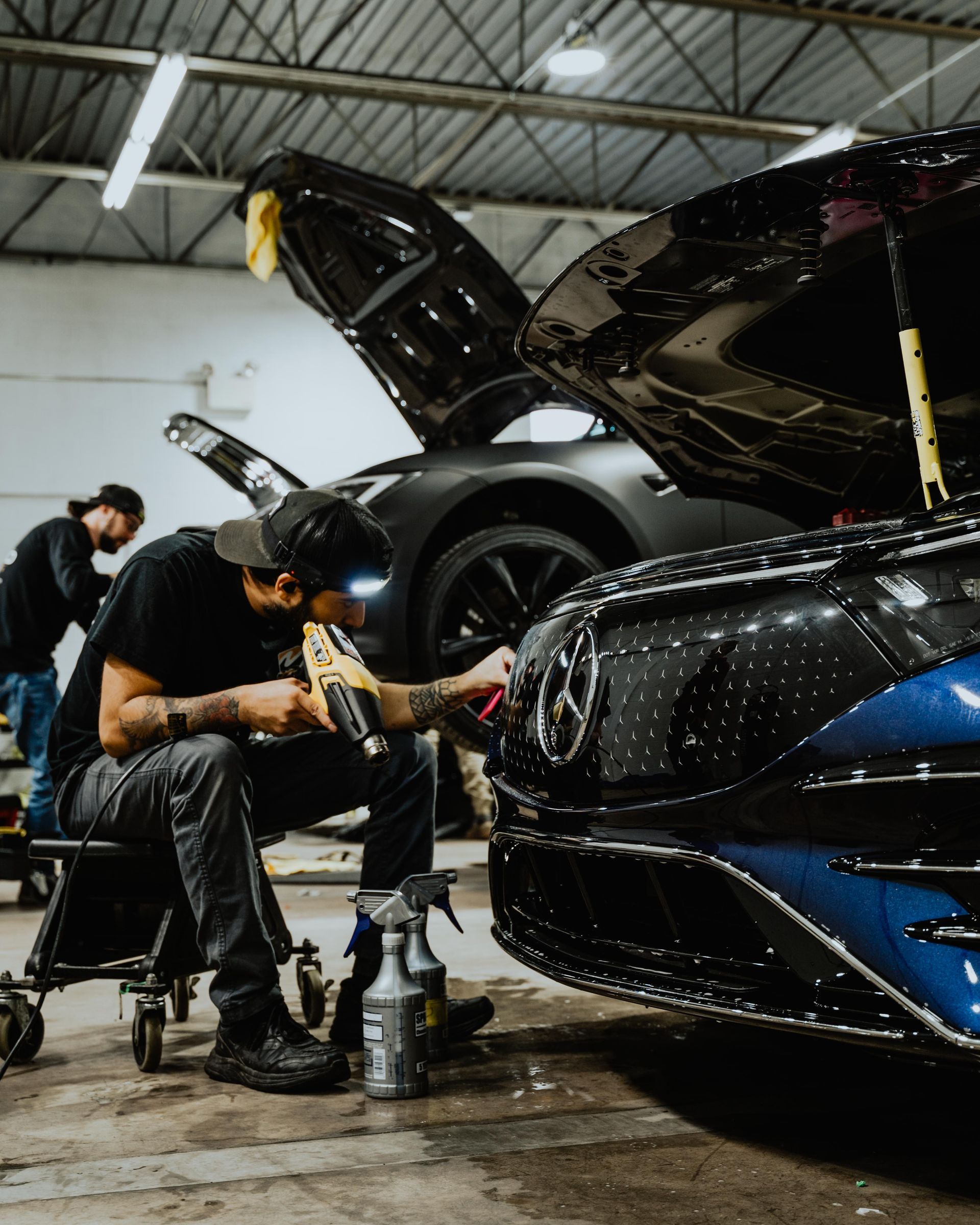
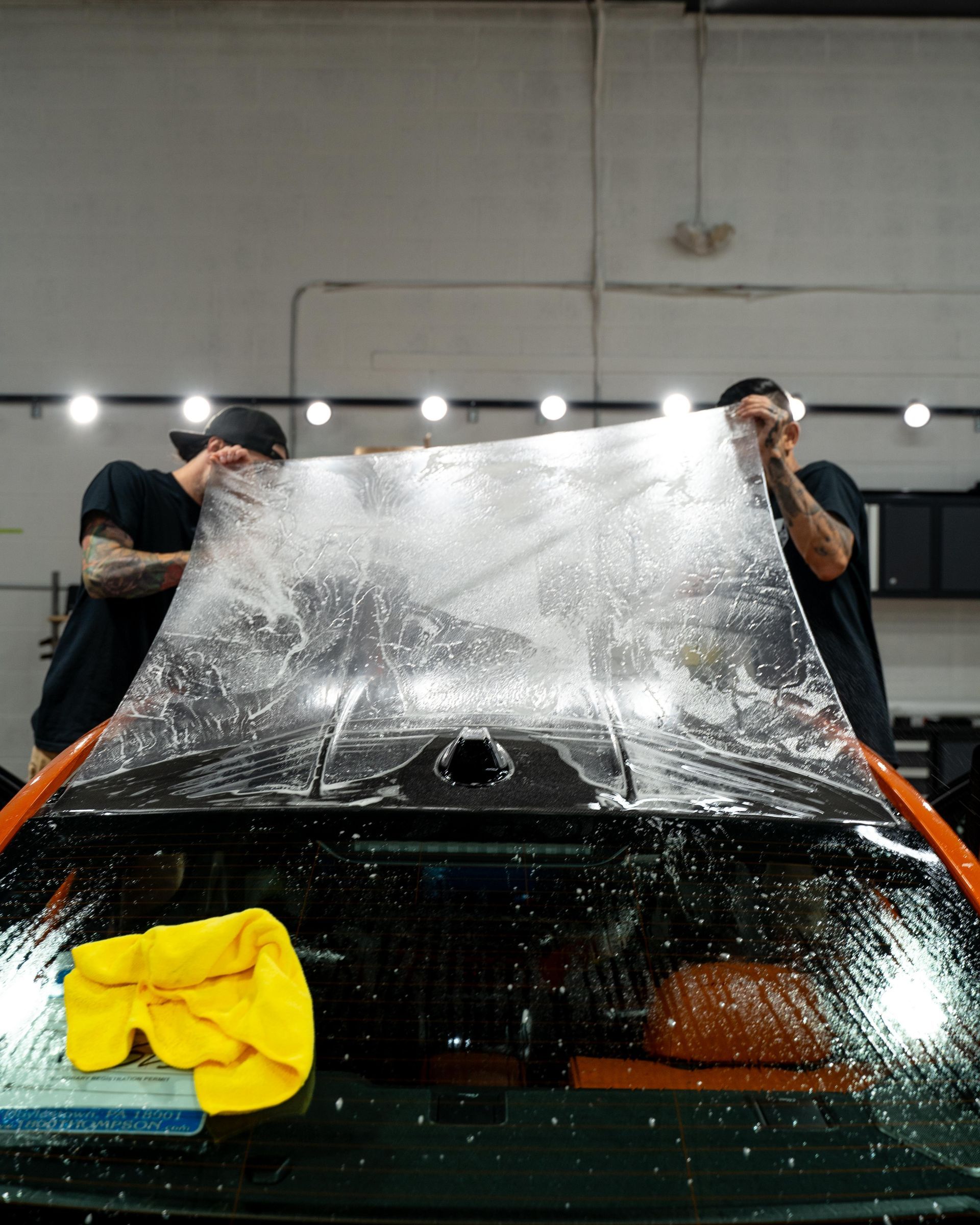
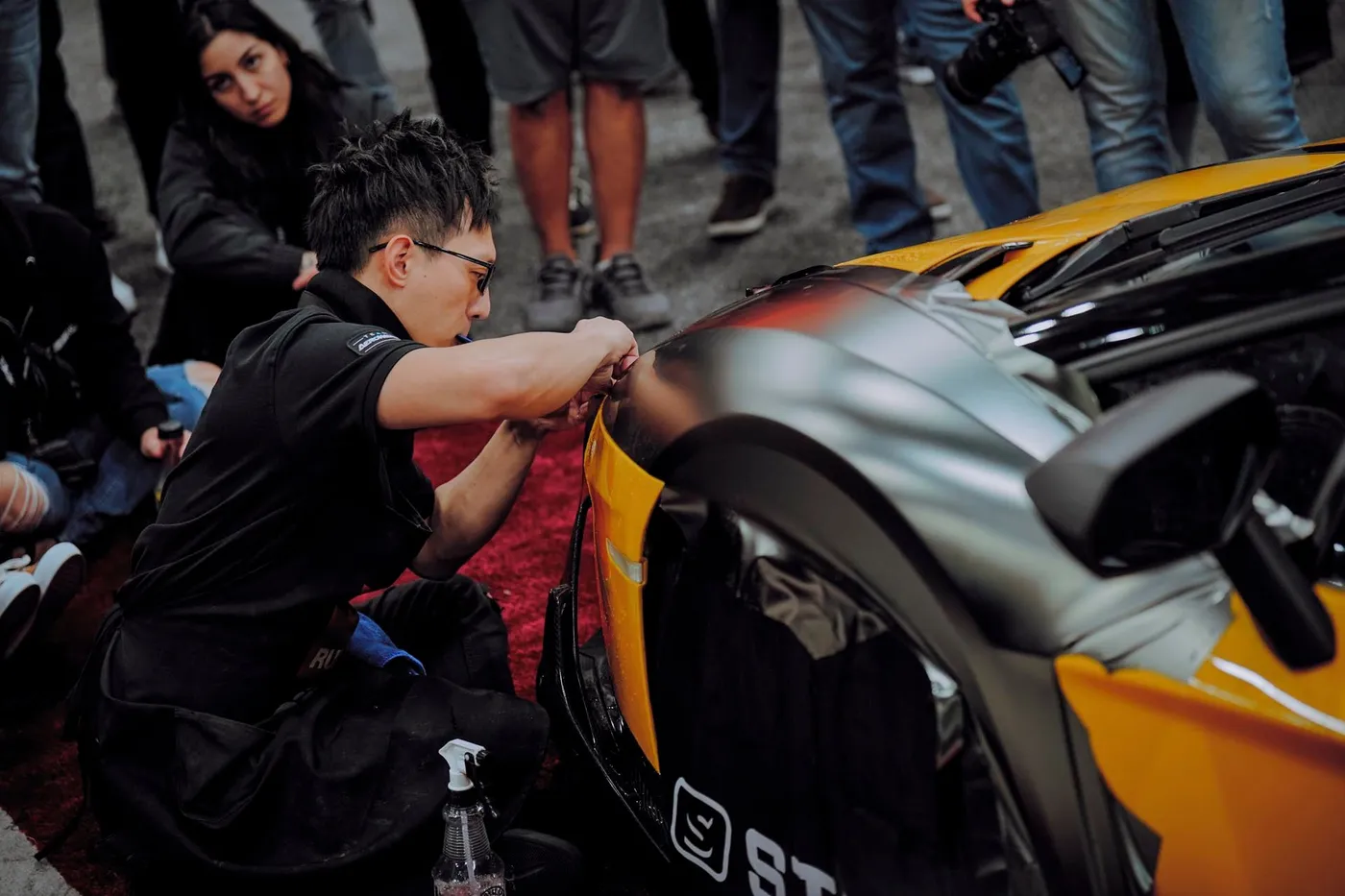
At Menard Premium Detailing in Warminster, the team installs STEK paint protection film and regularly answers questions about keeping it in great shape after it leaves the shop. This guide covers the key washing practices that protect your film long-term.
Why Washing Technique Matters for PPF
Paint protection film is durable, hydrophobic, and built to absorb road debris impacts. But the wrong cleaning approach can still compromise it. The STEK DYNOshield and DYNOmatte films at Menard Premium Detailing feature a nano-ceramic topcoat with self-healing properties activated by heat. That topcoat is tough, but not immune to harsh chemicals or aggressive washing habits.
The goal is straightforward: remove contaminants without disrupting the film's surface or lifting its edges. Do that consistently, and your film stays clear and performing as designed.
Paint Protection Film West Chester: Safe Washing Practices
Good washing habits for a film-protected vehicle are not complicated, but they are specific. Here is what the team at Menard recommends based on how STEK PPF is designed to be maintained.
Before You Start: Rinse First
Always begin with a thorough rinse to remove loose debris. Grit and road dust sitting on the surface can act as an abrasive the moment you start contact washing. A gentle pre-rinse lets the film's hydrophobic surface shed loose contamination before anything physically touches it.
Hand Washing Is the Safer Choice
Hand washing gives you the most control. Use a clean, soft wash mitt and work in straight lines rather than circular motions. The STEK topcoat repels contamination, so light, even pressure is all you need. No hard scrubbing required.
Here is what to keep in mind during the wash:
- Use a gentle car wash soap free of abrasives, naphtha, and kerosene
- Work panel by panel rather than washing the whole car at once
- Rinse your mitt frequently to avoid dragging debris back across the film
- Do not let soap dry on the surface; rinse promptly, particularly in direct sunlight
Watch Your Water Pressure
Pressure washers are not off-limits, but the nozzle angle and distance matter. High-pressure nozzles held too close to the film can lift edges, particularly around cuts and seams. Keep a safe distance and avoid directing spray at a steep angle along film edges. A wider fan spray pattern at moderate pressure is a much better approach than a pinpoint jet.
Drying: Soft and Gentle
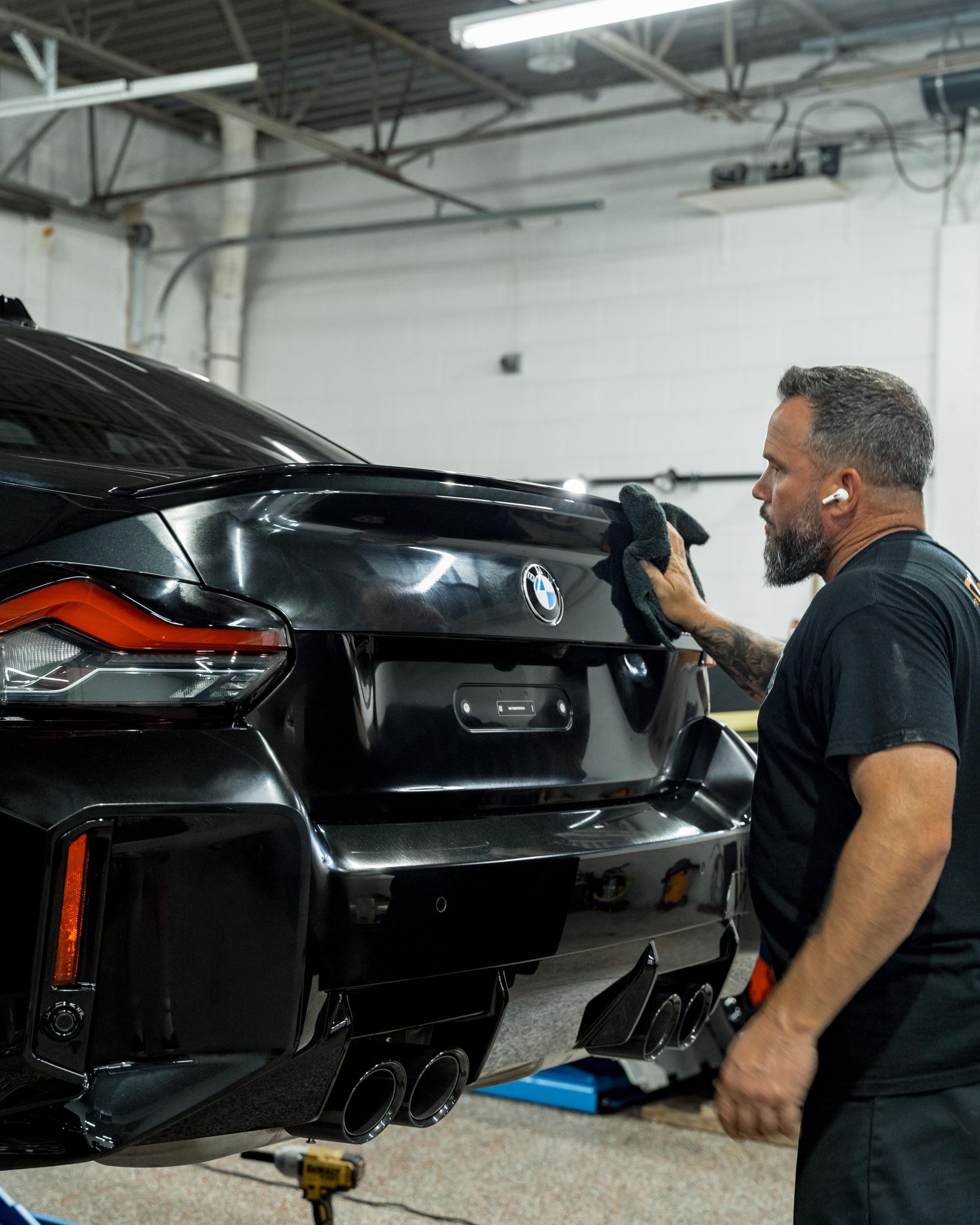
Blotting with a clean, soft cloth works better than dragging anything across the surface. Pat dry where needed rather than wiping in long strokes. For water sitting in tight spots like mirror housings and panel gaps, a gentle air source from a safe distance clears it without contact.
Contaminants to Remove Quickly
One of the more important habits paint protection film West Chester owners should build is dealing with certain contaminants right away, rather than waiting for the next wash. The STEK guidance on the Menard website specifically calls this out.
These are the ones that need prompt attention:
- Bug splatter: Bug acids break down quickly in heat and can etch into surfaces if left to bake on
- Bird droppings: One of the more corrosive things that lands on a vehicle; lift it off gently rather than wiping across
- Road tar: Tar bonds to surfaces over time, so the sooner you address it, the easier it comes off
The self-healing properties of STEK film help with minor surface disturbances from heat, but they are not a substitute for timely cleaning.
What to Avoid When Washing PPF
Knowing what not to do is just as useful as knowing the right approach. A few common habits that work fine on bare paint can cause real problems on film.
- Automatic tunnel washes with brushes: Stiff brushes can catch on film edges and work their way under seams; touchless is a safer automatic option.
- Abrasive or pigmented products: These can leave residue in the film's texture or discolor the topcoat; STEK guidance on the Menard site lists both as things to avoid.
- Naphtha or kerosene-based products: These solvents can degrade the film's topcoat and adhesive over time; check product labels before using anything on film.
- Wax or sealant without testing first: Some wax products are compatible with PPF, but the STEK recommendation is to test in a small area before applying broadly.
- High-pressure spray at close range along edges: One of the most common ways people accidentally lift film edges before the natural end of the film's life.
Keeping the Film Clear Long-Term
Beyond washing, a few broader habits help paint protection film hold up over time. Regular washing beats infrequent deep cleans. Letting contamination sit means more effort to remove it later, which typically means more friction and a greater chance of surface disturbance. A light wash every couple of weeks keeps buildup manageable.
If your film starts to look hazy or residue does not clear with regular washing, bring the vehicle in. The team at Menard Premium Detailing offers
automotive detailing services and knows how to work around installed film safely. Drivers looking for
paint protection film West Chester services or ongoing maintenance support will find the crew straightforward to work with.

Your PPF Investment Deserves the Right Care. We Are Here to Help.
Proper washing is one of the simplest ways to protect your paint protection film in West Chester. Good habits take very little time and pay off in how the film looks and performs over the years of driving.
Browse the PPF packages and STEK film options on the site, or head to the to contact page connect with the Menard team directly.
Frequently Asked Questions
Can I Use an Automatic Car Wash on a Vehicle with Paint Protection Film?
Brush-style tunnel washes are generally not the right choice for PPF-protected vehicles. The stiff bristles can snag film edges and work their way under seams over time, particularly at cuts around body panels. A touchless wash is a much safer automatic option if hand washing is not possible. That said, hand washing consistently gives you the most control over pressure and friction, which is why it remains the preferred approach for keeping film in good condition.
How Soon After PPF Installation Can I Wash My Vehicle?
This is a question best answered by the shop that installed your film, as it can vary depending on the product and installation conditions. The film needs time to cure and fully adhere before it is subjected to water and contact washing. The team at Menard Premium Detailing provides clear post-installation care instructions so you know exactly when it is safe to wash.
Does Paint Protection Film in West Chester Need Special Soap?
Not a specific brand, but the type of product matters. You want a gentle car wash soap that is free of abrasives, pigments, and solvent-based ingredients like naphtha or kerosene. The STEK care guidance on the Menard Premium Detailing site specifically flags those ingredient types as products to avoid on film. Household cleaners and dish soap are too harsh for film surfaces and should be kept out of the wash routine entirely.
Will the Self-Healing Property Fix Wash-Related Surface Marks?
STEK PPF products like DYNOshield and DYNOmatte feature self-healing properties that activate through heat, including sunlight and warm water. Minor surface disturbances from light contact may resolve on their own with heat exposure. That said, self-healing is not a substitute for good washing habits. The goal is still to minimize unnecessary friction so the topcoat stays in good condition over the life of the film.
How Often Should I Wash a Vehicle with Paint Protection Film?
Regular, light washing outperforms infrequent heavy cleaning for PPF-covered vehicles. Every couple of weeks is a reasonable rhythm for most drivers. Bug splatter, bird droppings, and road tar should be handled promptly between scheduled washes. Staying ahead of those contaminants is one of the easiest ways to preserve both the film's appearance and its long-term performance.