Glare Reduction and Window Tint for Safer Daytime Driving and Better Visibility
Driving during the day can seem straightforward enough, until harsh sunlight blinds you for a moment just when you need to see clearly. It is easy to underestimate how much glare affects your focus and safety on the road. Window tinting offers a practical way to cut down these blinding reflections, helping you drive more comfortably and confidently. This article explores how different types of tint work, what laws you should know, and why choosing the right film can make all the difference in keeping your vision sharp and your drive safe.
Types of Window Tint
Understanding the different types of window tint can help you make a more informed decision, not just based on price but on performance as well.
- Dyed Window Tint: It uses a layer of dye between an adhesive and a protective coating to absorb solar heat. It reduces glare effectively and suits drivers looking for a simple, affordable fix. However, it tends to fade over time and may lose some of its effectiveness.
- Metalized Window Tint: It takes a different approach by embedding tiny metal particles that reflect sunlight away before it enters the vehicle. This gives it strong heat-blocking capability and excellent glare reduction. One drawback worth noting is that the metallic composition can interfere with electronic signals such as GPS or radio reception.
- Carbon Window Tint: It offers a strong balance between performance and aesthetics. It reduces glare effectively without causing signal interference and features a matte finish that diffuses light more gently. It is more durable than dyed or metalized options and resists fading over time, making it a reliable mid-range choice.
- Ceramic Window Tint: It represents the highest level of performance. Engineered with non-conductive ceramic particles, it excels in cutting glare, blocking ultraviolet rays, and regulating interior temperature. Because it contains no metal, it does not interfere with electronic devices. While it carries the highest price, its lasting clarity and protection make it a worthwhile investment for many drivers.
When selecting among these types, consider your priorities, whether that is cost, durability, signal compatibility, or maximum protection against heat and glare. Choosing wisely ensures your tint enhances safety and comfort without unexpected drawbacks.
Legal Considerations and Regulations
Window tinting laws exist to ensure driver safety and maintain clear visibility on the road. These laws vary widely by state, with each jurisdiction defining its own standards for how dark or reflective your vehicle's windows can legally be. The central measurement used is Visible Light Transmission (VLT), which refers to the percentage of light allowed to pass through your window film. A lower VLT means a darker tint, which may improve glare reduction but can also impede visibility if taken too far. Some states require front side windows to allow at least 70 percent of outside light through, while others permit significantly darker tints.
Rear windows are generally less regulated across most states. Certain vehicles, such as SUVs or trucks, may also have different allowable limits compared to standard passenger cars. It is essential to check your local regulations before purchasing or installing window tint. Non-compliance can result in fines, failed vehicle inspections, or complications with insurance claims following an accident. Some states also restrict reflective tints or prohibit specific colors, adding another layer of consideration to your decision. Staying within legal limits is not just about following rules. It is about ensuring your visibility remains optimal while keeping you and others safe on the road.
Benefits of Tinting Your Windows
Window tinting offers a range of advantages that go well beyond appearance. One of the most noticeable improvements is the significant reduction of glare from the sun. This directly enhances safety by improving your ability to see clearly and react quickly. When your eyes are not straining against harsh light, you avoid fatigue and maintain sharper focus during long, bright drives. Closely tied to glare reduction is UV protection. High-quality window tints can block a substantial amount of harmful ultraviolet radiation, which matters for anyone who spends extended time driving in strong sunlight. UV exposure contributes to skin damage over time and also accelerates fading and wear inside your vehicle's cabin. Protecting your dashboard, upholstery, and interior components helps preserve your car's condition and long-term value.
Heat reduction is another major benefit. Effective window tints can significantly lower interior temperature buildup, keeping your car more comfortable and reducing the strain on your air conditioning system. Less reliance on air conditioning translates to better fuel efficiency, particularly during summer. This makes tinting a practical choice for both comfort and economy. Window tinting also provides enhanced privacy. Tinted windows keep personal belongings less visible when your vehicle is parked or in traffic, reducing the risk of opportunistic theft. This added layer of discretion also gives drivers a greater sense of security and adds a clean, polished look to the vehicle's exterior.
Choosing the Right Tint Percentage
Selecting the correct tint darkness requires balancing glare reduction with safe visibility. The VLT percentage you choose directly affects how much light passes through your windows. A lower VLT blocks more sunlight and reduces heat but also reduces the light available inside your vehicle, which can become a safety concern at night.
Climate is an important factor. In hotter regions where strong sunlight is constant, darker tints can make a meaningful difference in keeping the interior cooler and shielding passengers from UV exposure. In milder climates, a moderate tint may serve better to maintain clear visibility in varying light conditions. For everyday drivers who primarily drive during daylight hours, a tint percentage between 20 and 35 percent generally offers an effective balance. This range reduces glare and heat while still allowing adequate light for good visibility. Always cross-reference your preference with your state's legal requirements before making a final decision.
DIY vs. Professional Tinting
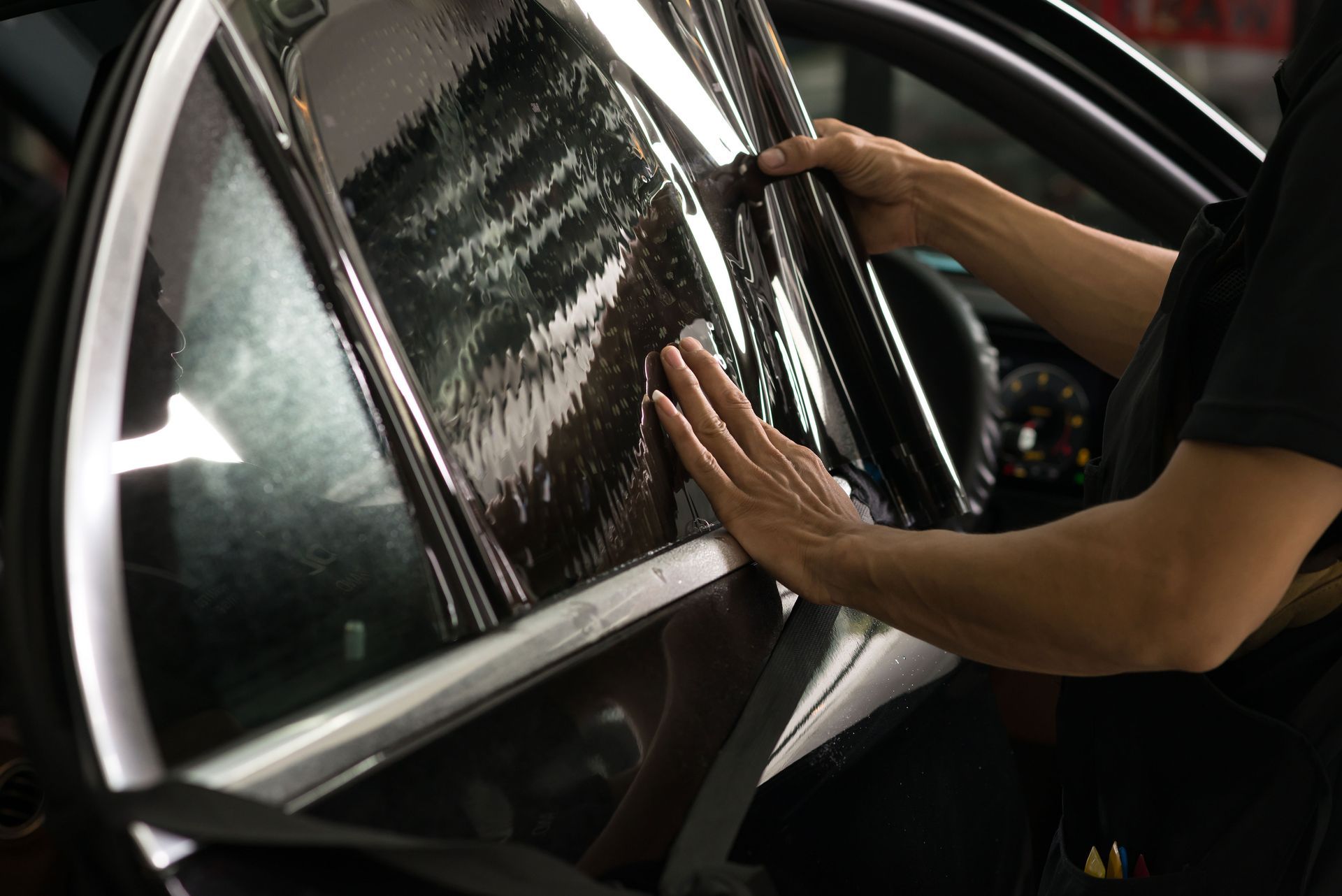
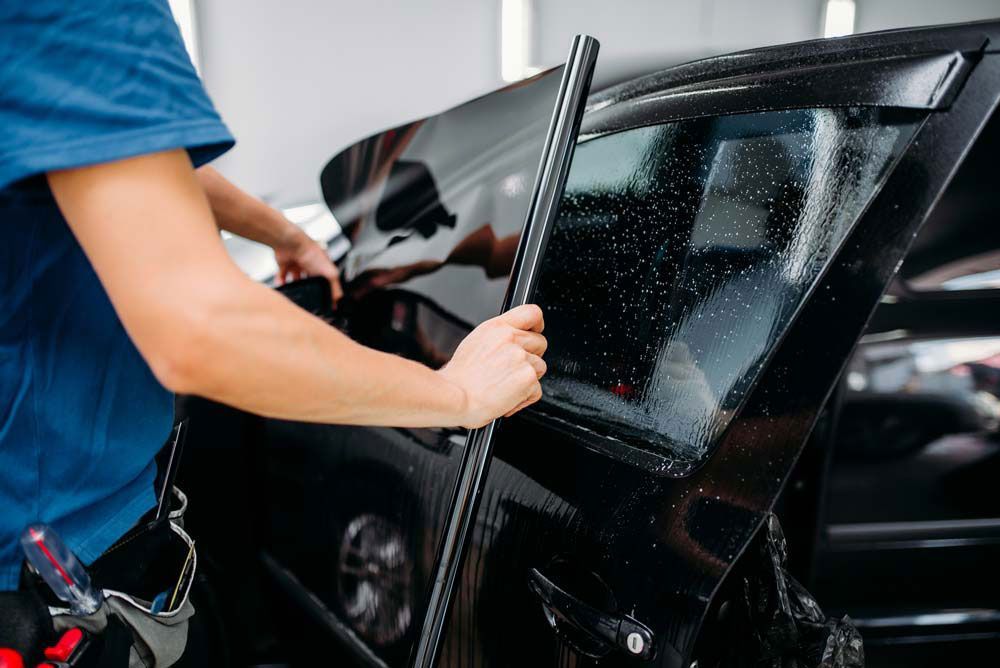
When it comes to applying window tint, drivers typically choose between a do-it-yourself approach or hiring a professional installer. DIY kits are available at a lower cost and can be a satisfying option for hands-on drivers working within a tight budget. However, they require precision, patience, and the right tools, including squeegees, trimming blades, and application solutions. Even with careful effort, wrinkles, air bubbles, and lifting edges are common challenges that can reduce the tint's lifespan and visual clarity.
Professional installation offers a noticeably cleaner finish and greater durability. Experienced installers have the skills and equipment to apply film smoothly and accurately, even on curved or complex window shapes. Most professional services also include warranties covering issues such as bubbling, peeling, or discoloration, which provides added assurance after installation.
Another advantage of professional tinting is regulatory compliance. Qualified installers are familiar with local tinting laws and can help ensure your vehicle meets legal standards without sacrificing aesthetics. If your goal is a flawless, long-lasting result that meets legal requirements, professional installation is typically the more reliable choice. For drivers comfortable with hands-on projects and working on less visible windows, a DIY kit can still deliver satisfactory results on a budget.
Enhancing Daytime Driving Safety
Glare is one of the most underestimated hazards during daylight driving. When the sun is low or directly in your line of sight, it can reduce visibility dramatically, slow your reaction time, and increase the chances of misjudging distances or missing obstacles entirely. Quality window tinting serves as a practical safeguard against this risk. Tinted windows work similarly to wearing polarized sunglasses while driving. They filter aggressive glare without obstructing what you need to see, making it easier to check mirrors, read dashboard indicators, and monitor surrounding traffic. Over long drives, this reduction in eye strain means less fatigue, keeping you more alert and responsive.
Tinting also helps regulate cabin temperature by blocking infrared rays, which contributes to a more consistent and comfortable driving environment. A cooler interior reduces physical discomfort and minimizes distractions, both of which support safer driving behavior. Investing in properly installed window tinting tailored for glare reduction is a straightforward and effective way to improve your safety on the road. It is not simply a cosmetic upgrade. It is a functional improvement that delivers clearer vision and greater control under some of the most demanding driving conditions you will encounter.
High-Performance Window Tint in Philadelphia, PA
Bright sunlight and harsh glare can make daytime driving uncomfortable and even dangerous. With
professional auto window tinting from Menard Premium Detailing in Philadelphia, PA, you can improve visibility while adding lasting comfort to every drive. Our team installs high-quality window films designed to reduce glare, filter harmful UV rays, and help maintain a cooler interior during sunny days. Carefully applied for a clean, seamless finish, their tinting services enhance both the function and appearance of your vehicle.
Book your auto window tinting service with Menard Premium Detailing and enjoy clearer, more comfortable driving throughout Philadelphia!