Auto Tint Film Types: A Complete Guide to Choosing the Best for Your Driving Needs
Choosing the right window tint for your car goes beyond aesthetics. Behind those darkened windows lies proven technology designed to keep you cooler, protect your skin, and guard your privacy while balancing visibility and legal compliance. Picking the perfect tint means understanding what each type does best and what trade-offs you're willing to make. This guide breaks down everything from basic options to high-tech films so you can make an informed choice that suits your driving habits and budget. Auto tint films come in several types, including dyed, metalized, carbon, and ceramic, each offering unique benefits such as privacy, heat reduction, durability, and signal compatibility. To choose the right tint, consider your budget, climate needs, electronic device usage, desired appearance, and local legal restrictions. Ceramic tints are ideal for superior heat rejection without signal interference, while dyed tints offer an affordable matte finish primarily for privacy.
Overview of Auto Tint Film
Auto tint films come primarily in four varieties: dyed, metalized, carbon, and ceramic. Each has its own way of handling sunlight, heat, and durability.
- Dyed tints: They are the most budget-friendly option. They work by absorbing light rather than reflecting it and provide a sleek matte look that many find attractive. However, they don't stand up well over time. They tend to fade after a few years and offer only modest heat reduction.
- Metalized films: They take a different approach by embedding tiny metallic particles into the film. This makes them excellent at blocking heat and UV rays while also adding some extra strength to your windows against shattering. The trade-off is their shiny, reflective surface, which some drivers dislike aesthetically, and their tendency to interfere with signals from GPS or radio devices, a crucial point if you rely heavily on those electronics.
- Carbon films: They strike a balance between appearance and performance. They block infrared light effectively, helping keep your car cooler without interfering with electronics like metalized films sometimes do. These tints boast a non-reflective finish that resists fading far better than dyed options but come at a somewhat higher price.
- Ceramic tints: They represent the premium end of the market. Using advanced nano-ceramic technology, they offer unparalleled heat rejection and UV protection without any interference to electronic signals. What's more, ceramic films maintain excellent clarity even in low-light conditions, making night driving easier on the eyes. Their durability is impressive. They last significantly longer than other types but also carry the highest cost.
Core Functions
The reason anyone chooses to tint their windows generally revolves around a few core benefits. Heat reduction tops many drivers' lists. The ability to keep your vehicle cooler matters, especially during summer months. Ceramic tints excel here, cutting down interior temperatures substantially compared to untreated glass or dyed films alone. Most quality tints will block upwards of 99% of harmful ultraviolet rays. Carbon and ceramic variants often push this figure even higher, safeguarding not only your skin but also preventing upholstery from fading prematurely. Driving into the sun or facing reflections from other vehicles can strain your eyes dangerously.
All types of tint help ease this discomfort by cutting glare, though metalized and dyed styles excel particularly well for this purpose. Darker films shield your cabin from prying eyes, which many owners appreciate for personal security or simply aesthetic reasons. Remember that local laws impose strict limits on how dark front-side windows can be. With so many choices and factors to weigh, costs, durability, comfort, and legal requirements, it's essential to consider what matters most in your daily driving experience before choosing a tint type. Some prefer maximum heat blocking and signal-friendly performance. Others might value affordability or privacy above all else.
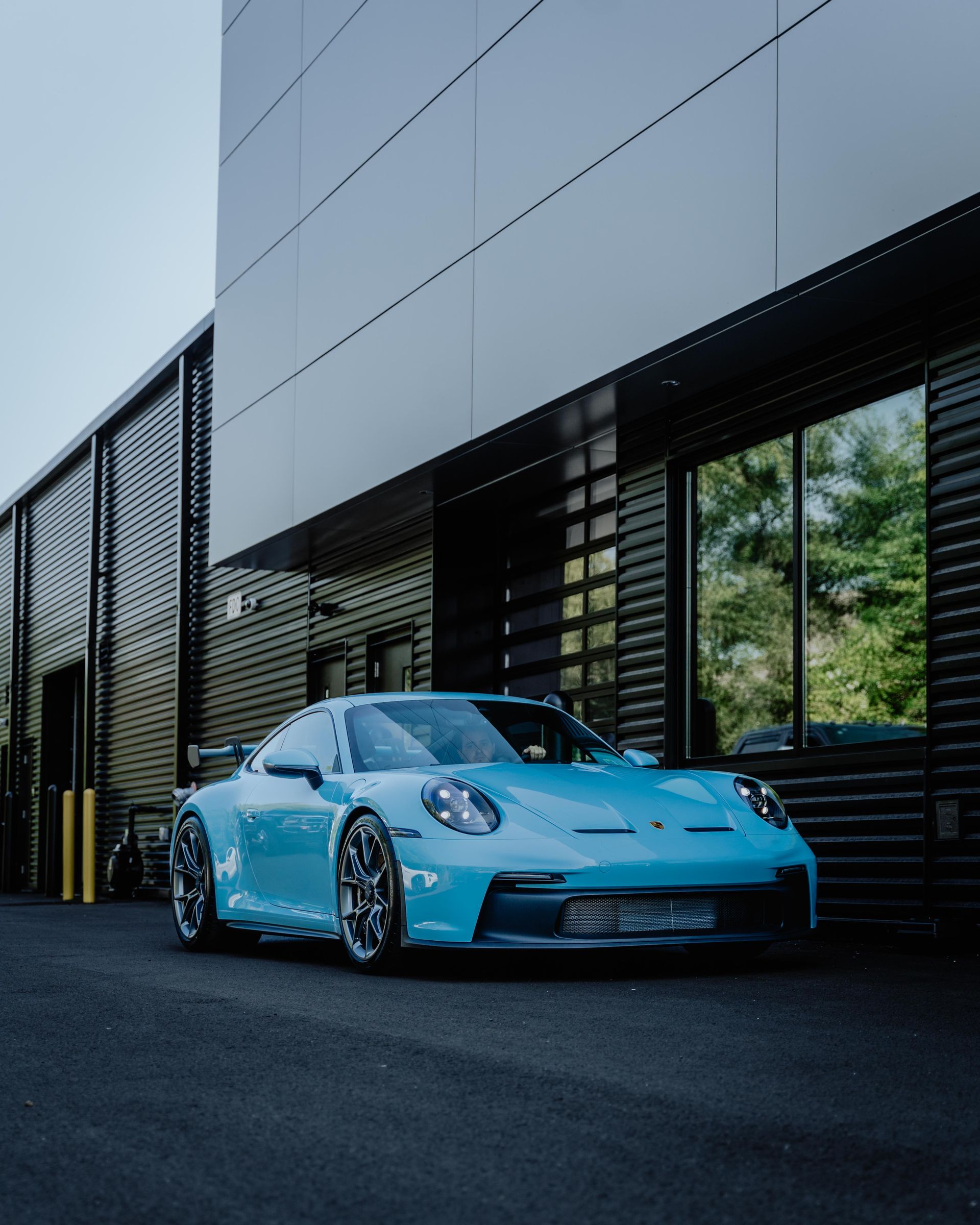
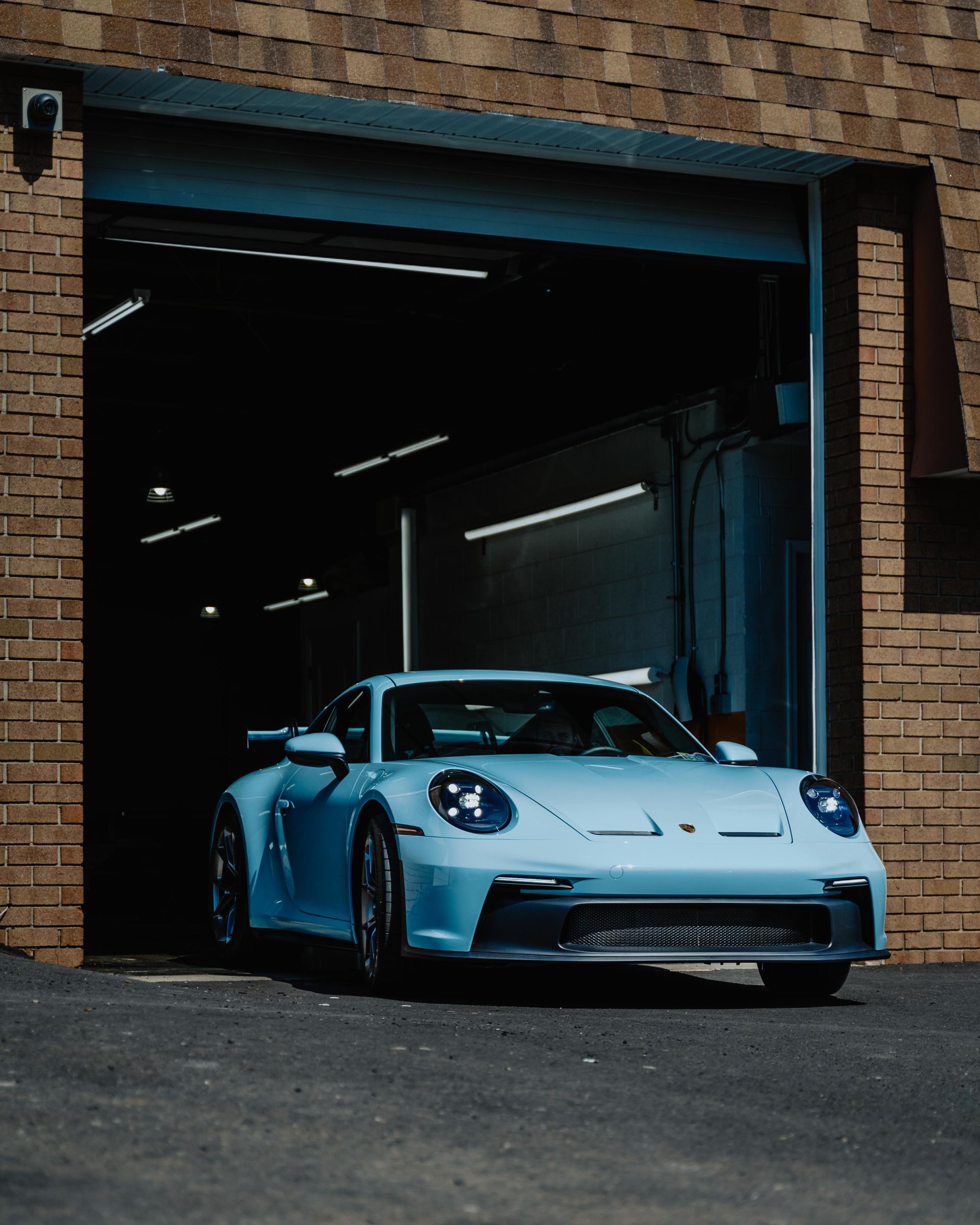
Dyed vs. Metalized Tint
- Dyed window tints: They function by incorporating a pigmented dye layer that absorbs solar heat rather than reflecting it. This absorption lowers the amount of light and consequently heat that makes its way inside your vehicle. Because dyed tints rely on absorption instead of reflection, their surface tends to have a matte, non-reflective finish, giving a sleek, understated look that many drivers prefer for privacy and glare reduction. The major advantage here is affordability. Dyed tints typically cost less both in material and installation, making them an accessible choice if you're budget-conscious. However, the downside lies in their longevity. These dyes are prone to fading over time, usually within three to five years, especially when exposed to strong sunlight regularly. This fading doesn't just affect appearance but also diminishes their heat-rejection capability gradually.
- Metalized tints: They take a different technical approach by embedding thousands of tiny metallic particles into the film. These particles act like miniature mirrors, reflecting solar heat and ultraviolet rays away from your car interior. This reflective property grants metalized tints superior heat rejection compared to dyed films, which can noticeably reduce cabin temperature during hot days. Another practical highlight is their increased durability. Metalized films tend to resist scratches and maintain color longer than dyed alternatives. That said, their highly reflective nature results in a shiny or mirror-like finish that may not appeal to everyone aesthetically. Moreover, the embedded metals can cause interference with electronic signals such as GPS navigation, radio reception, and cell phone connectivity, a crucial tradeoff to consider if you rely heavily on in-car devices.
When choosing between these tint types, consider what matters most in your daily driving experience. If you prioritize affordability and a low-profile look without worrying much about heat reduction or long-term durability, dyed tint makes sense. But if superior heat control and lasting quality are paramount and slight signal issues won't disrupt you, metalized films offer greater comfort and protection.
Carbon vs. Ceramic Tint
- Carbon tint: They stand out because they contain microscopic carbon particles that excel at blocking infrared light, the major contributor to heat inside your car. This means you not only get a cooler cabin but also excellent protection from harmful UV rays, up to 99%. The matte finish carbon provides is aesthetically pleasing for those who prefer a non-reflective look, giving your vehicle a sleek, understated appearance. One of the biggest advantages of carbon tint is its durability. It resists fading far better than dyed films and maintains its rich color for around five to seven years.
- Ceramic tint: They take performance several steps further with advanced nano-ceramic technology. Unlike dyed or metallic films, ceramic particles do not conduct heat. Instead, they effectively stop heat and UV radiation without trapping it against your glass. This results in superior heat rejection, blocking approximately 50% to 60% of infrared rays and nearly complete UV protection, up to 99%. What truly sets ceramic apart is its ability to maintain excellent visibility during both day and night conditions while preventing glare better than other film types. Another critical aspect is that ceramic tint does not affect electronic signals at all. No interruptions to GPS, radio, or cell phone reception, a common concern with metalized films. Additionally, ceramic tints provide remarkable resistance to fading and scratches, ensuring your windows look new for years after installation. For drivers prioritizing long-term durability and top-tier comfort in any climate, ceramic is often considered the best choice available.
Given how both carbon and ceramic films offer superb UV protection and do not interfere with electronics, deciding between them usually comes down to a trade-off between budget constraints and the level of heat rejection or clarity you desire. If you want affordability with durable performance and a dark matte look, carbon tint suits well. If ultimate heat rejection paired with near-invisible aesthetics fits your preference and budget, you'll likely gravitate toward ceramic.
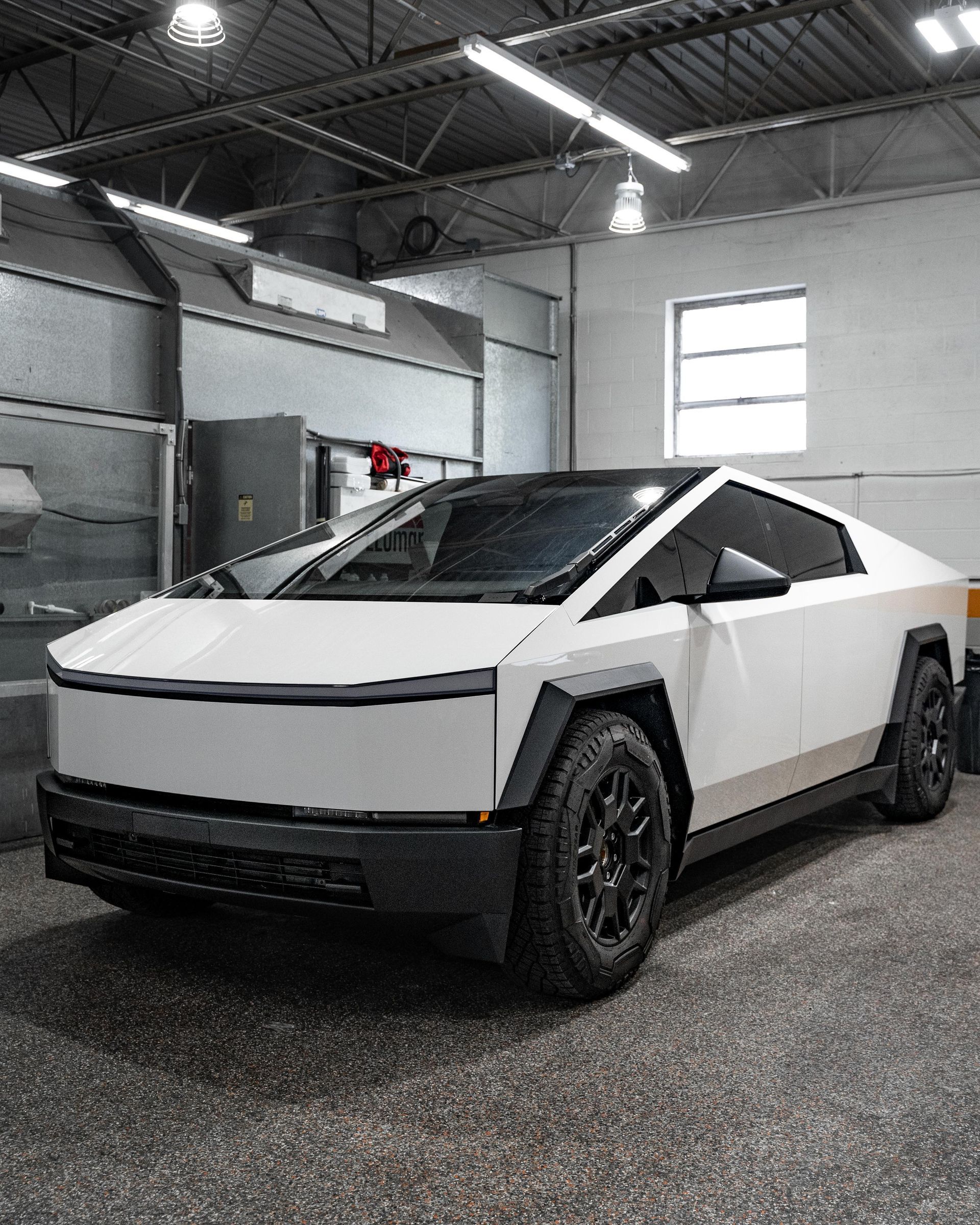
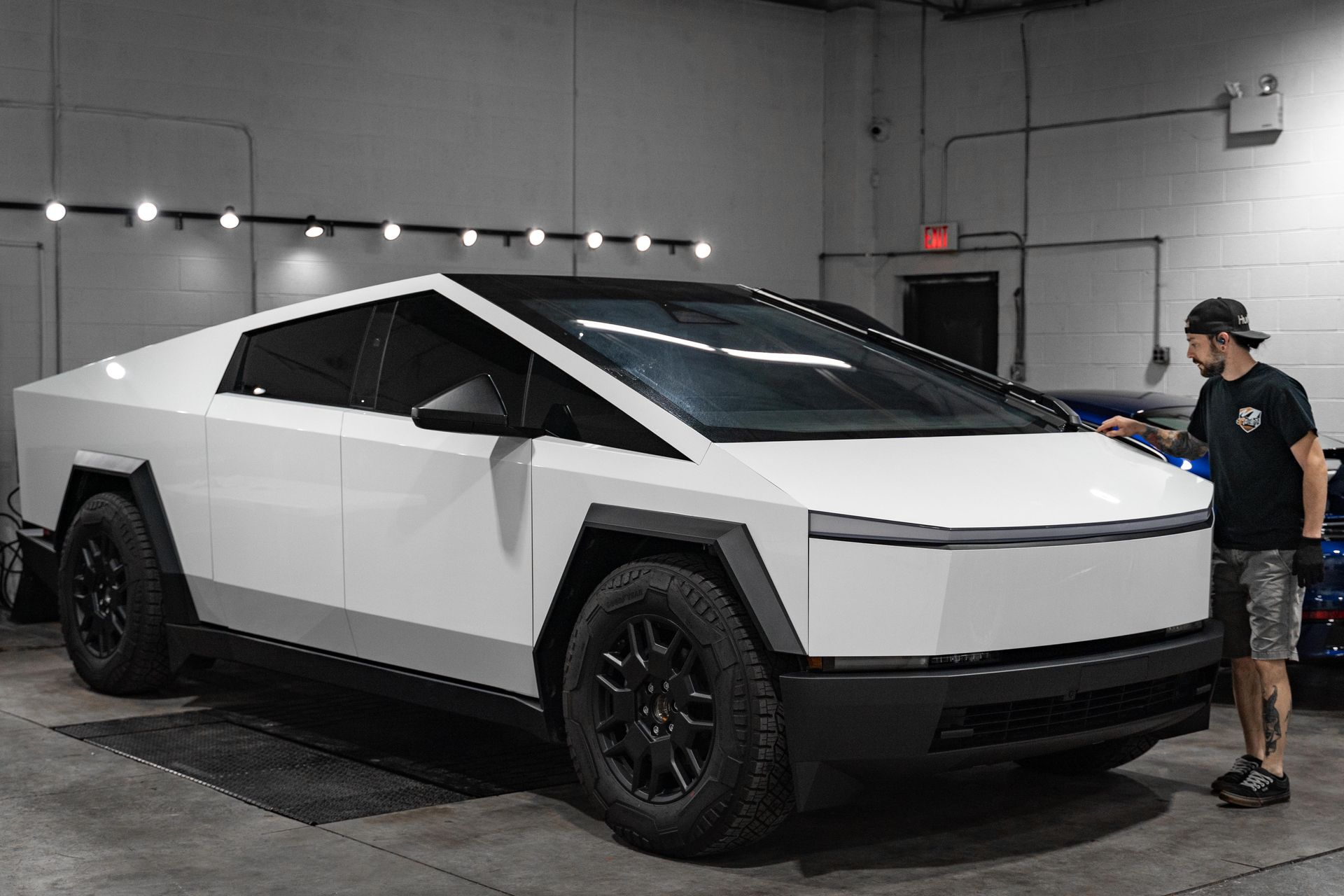
Benefits of Car Tinting
Car tinting brings more to your driving experience than just a sleek look. It transforms comfort and safety in tangible ways. One of the most noticeable benefits is heat reduction. When summer rolls in and the sun beats down, your car interior can feel like an oven, forcing the air conditioning to work overtime. Quality tint films, especially ceramic and carbon types, can reject up to 50% to 60% of solar heat. This doesn't just mean a cooler cabin but also less fuel consumption since your AC doesn't have to run as aggressively. You're also shielding yourself and your vehicle from harmful ultraviolet rays. Ultraviolet rays accelerate skin damage and prematurely age your car's upholstery, dashboard, and door trims through fading and cracking. A good window tint blocks up to 99% of UV rays, essentially acting as sunscreen for both you and your car. This proactive protection can extend the lifespan of your interior materials by years.
Beyond comfort and preservation, there's a strong case for tinting when it comes to safety on the road. By reducing glare, whether it's from harsh sunlight or glaring headlights at night, tinted windows help improve driver visibility and reduce eye strain. Tints soften this brightness without darkening visibility so much that driving becomes unsafe. Additionally, in an accident or if glass shatters for any reason, quality window films hold shards together, helping prevent injuries from flying glass fragments. Privacy is another benefit that often gets overlooked but has real peace-of-mind value. Tinted windows obstruct prying eyes from casually peering inside your vehicle. This added layer of discretion discourages potential thieves who might otherwise be tempted by visible valuables left on seats or dashboards.
Professional Installation Matters
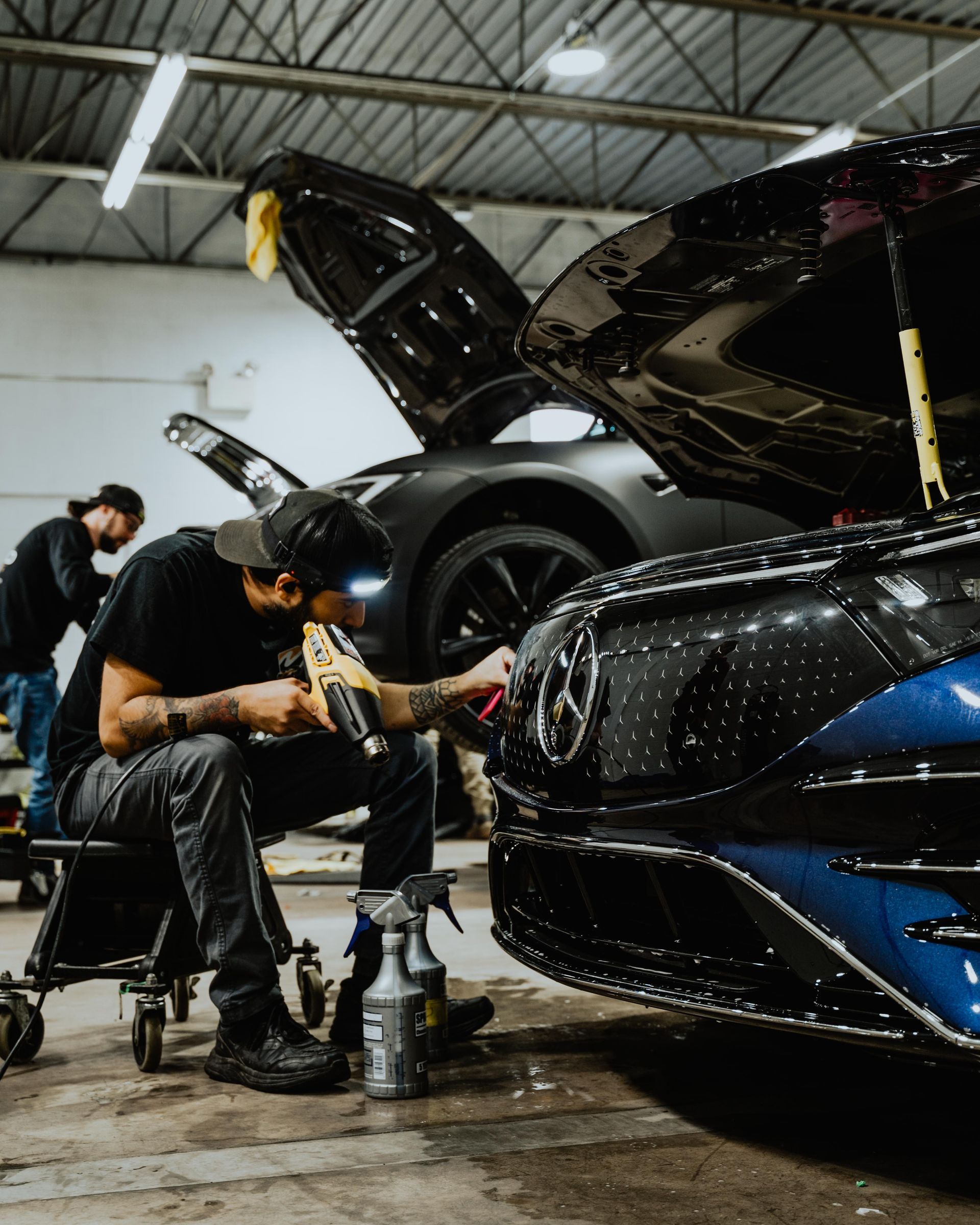
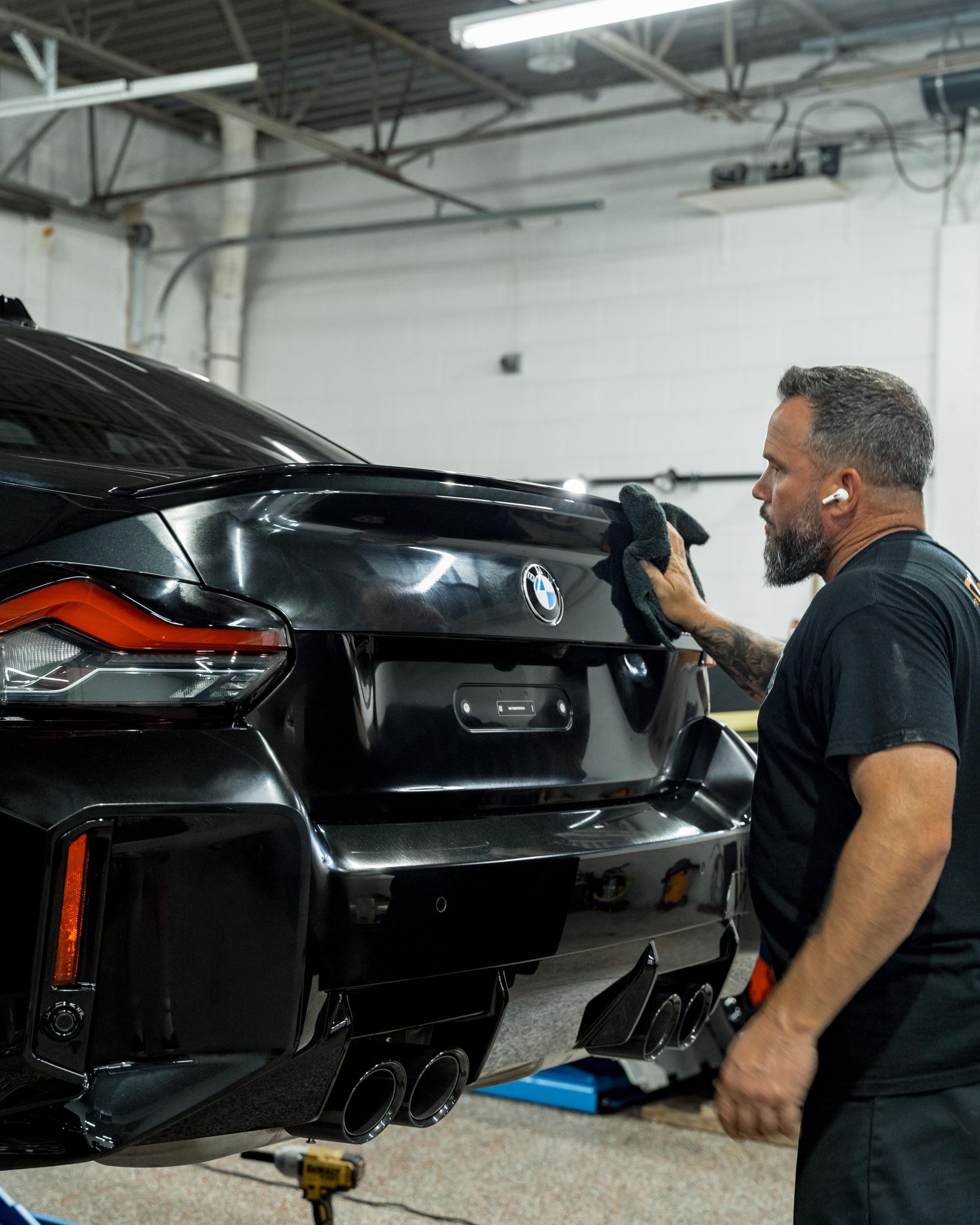
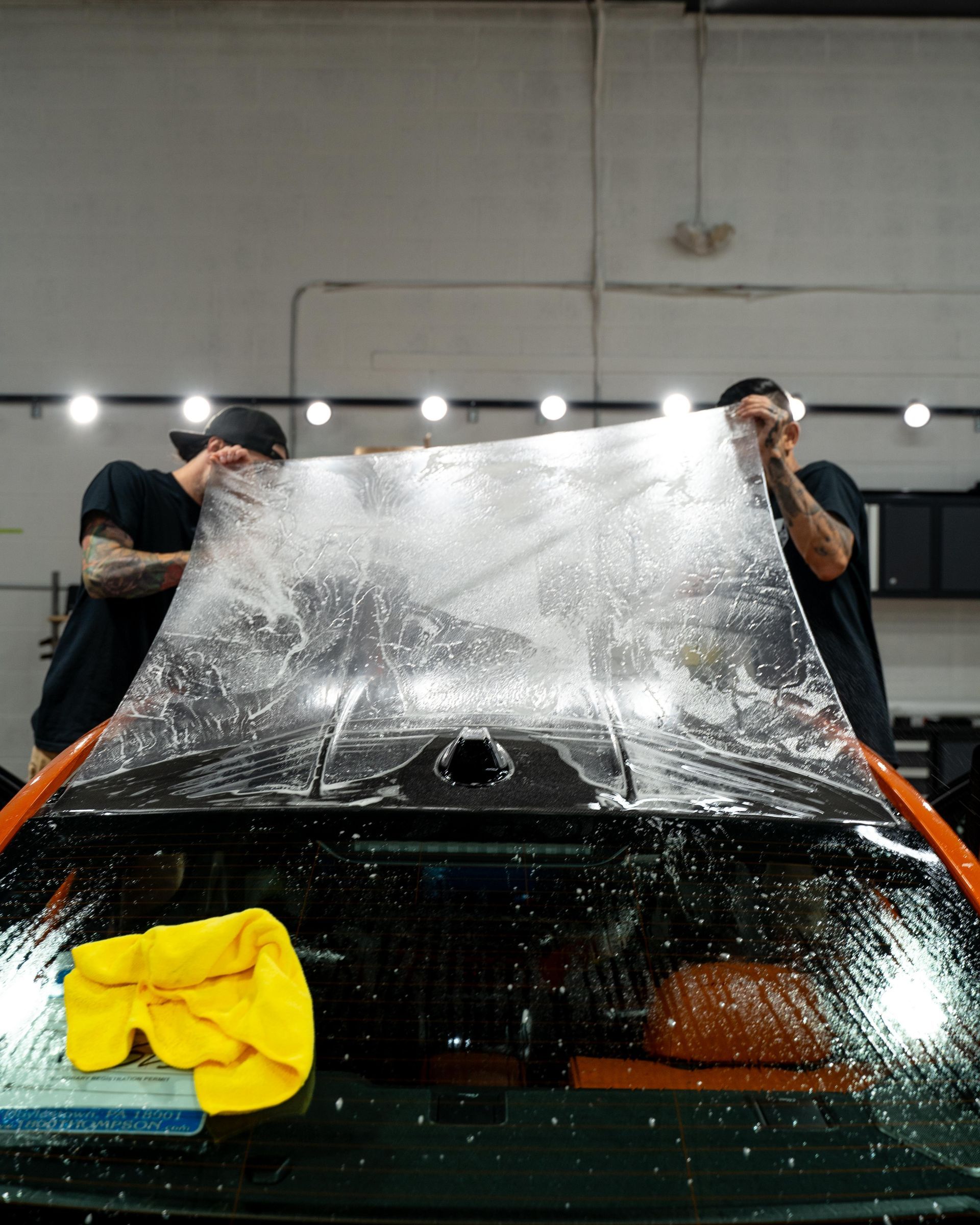
Professional installation brings years of expertise, specialized tools, and controlled environments that make a noticeable difference in finish quality. Trained technicians meticulously clean windows, apply film with expert precision, and carefully remove air bubbles and dust particles, resulting in a flawless appearance that often exceeds amateur attempts. One standout advantage of professional installation is the warranty coverage, typically ranging from five to ten years, which safeguards your investment against issues like peeling, bubbling, or fading. This peace of mind convinces many vehicle owners to trust trained technicians who know how to navigate tricky curvatures on car glass and adhere strictly to local tint laws, helping you avoid costly fines or forced removals. Professional installers tailor recommendations based on your specific needs, whether maximizing heat rejection with advanced ceramic films or emphasizing aesthetics with carbon tints that resist fading. This personalized advice offers value difficult to match on your own. Selecting the right window tint means weighing cost against quality and warranty for lasting satisfaction. With informed choices, you ensure your vehicle stays comfortable, stylish, and protected for years to come.
Premium Auto Window Tinting Services in Philadelphia, PA
Drivers throughout Philadelphia trust Menard Premium Detailing for
expertly installed window tinting services. Their approach emphasizes smooth application and attention to detail, resulting in consistent coverage across all windows. Whether you want added privacy or improved interior comfort, each tinting service is tailored to your vehicle. Contact Menard Premium Detailing to
schedule your auto window tinting service!