Ceramic Coating for Vehicle Preservation: Long-Term Benefits and Durability Explained
When it comes to keeping your car looking fresh and new, protecting the paint isn't just about appealing looks; it's about saving time and money down the road. You might think a quick wash or wax is enough, but there's a smarter way to defend your vehicle from sun, dirt, and the elements. Ceramic coating has become a popular solution because it creates a strong, lasting shield that does more than just shine. In this article, we'll break down what ceramic coatings really do, why they last longer than traditional products, and how they help your car stay cleaner with less effort.
Understanding Ceramic Coatings
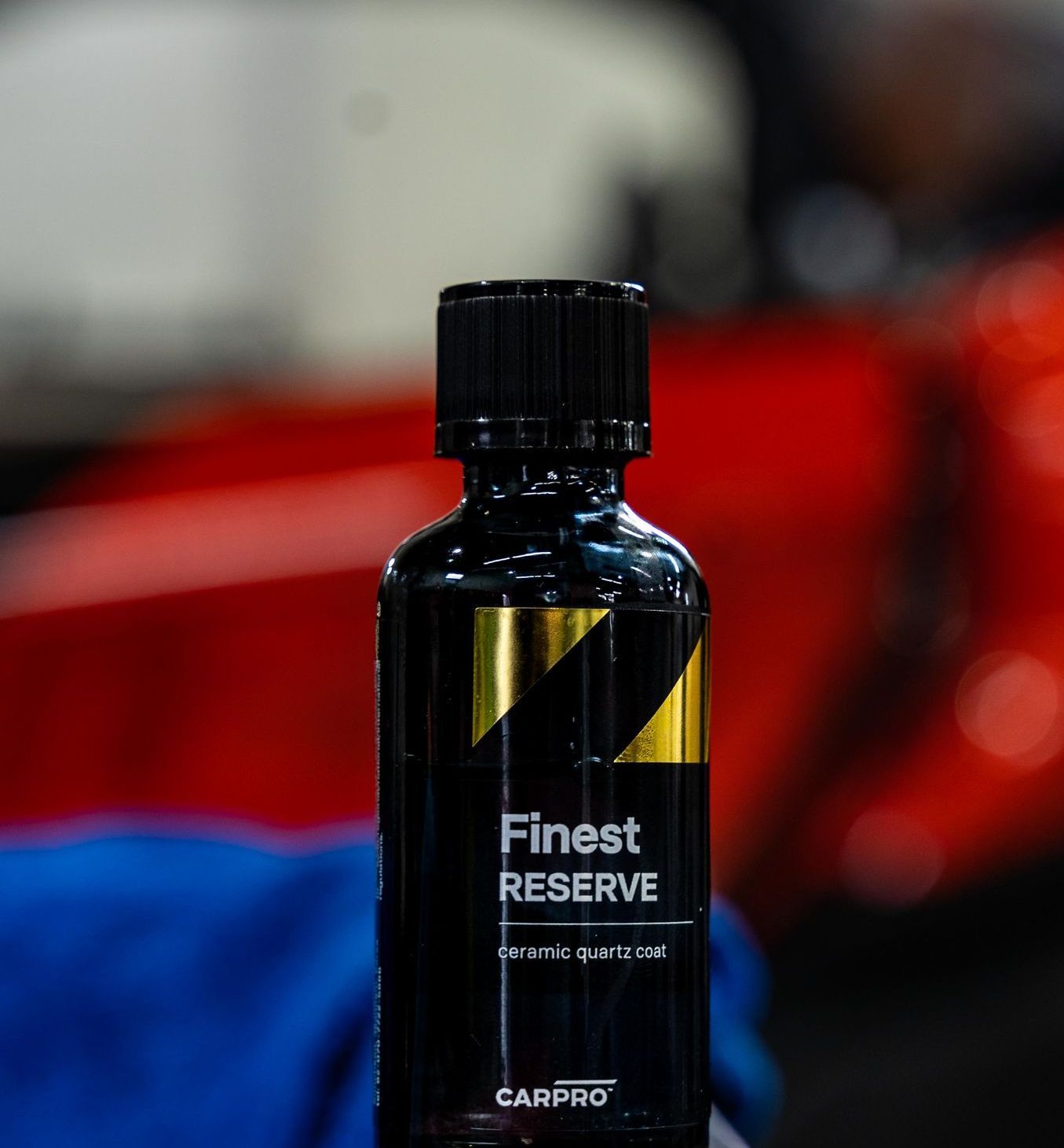
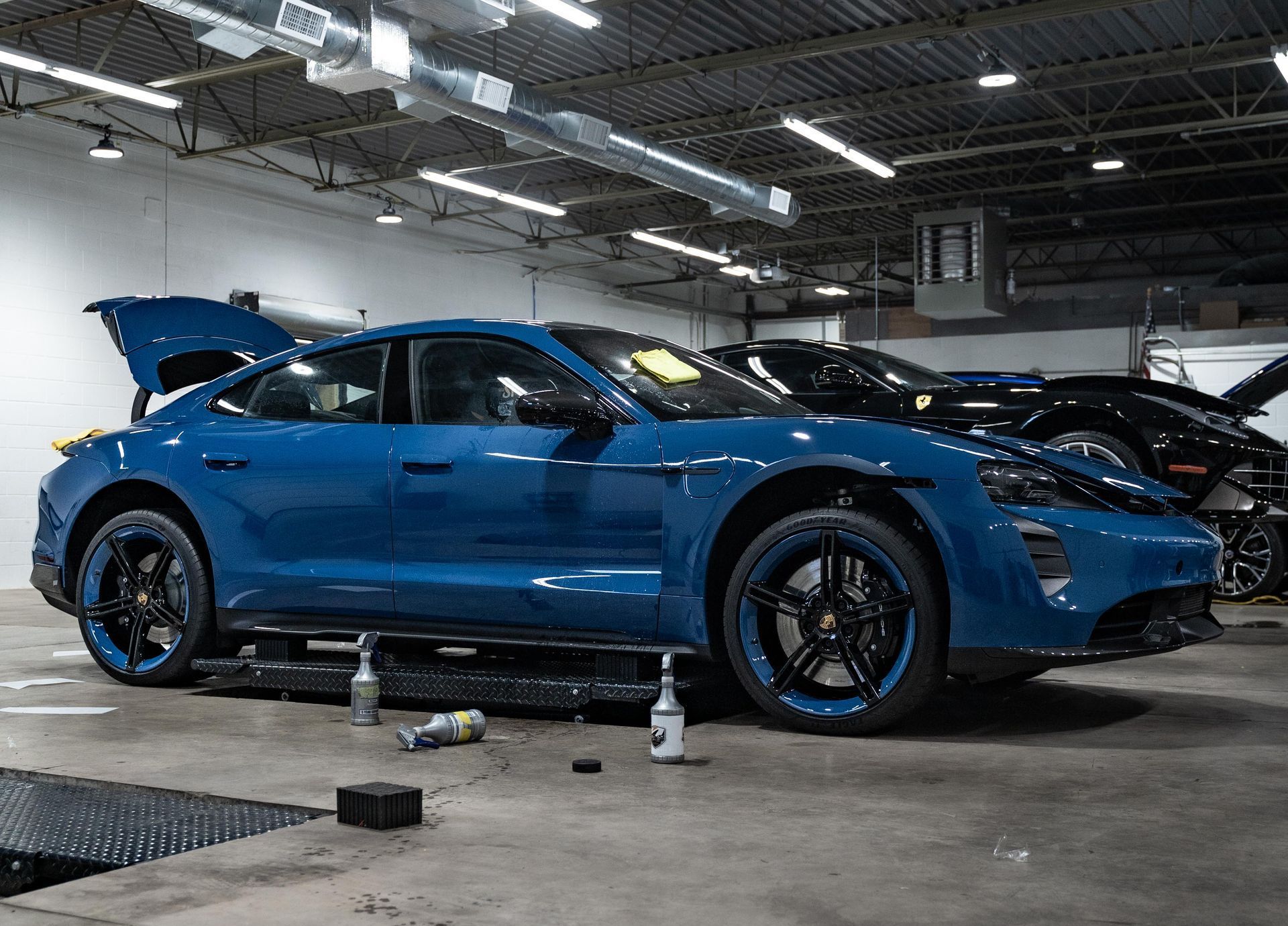
Ceramic coatings are not just another layer of wax or sealant you apply and forget about. They are advanced liquid polymers that chemically bond with your vehicle's paint, creating a protective shield that is both tough and long-lasting. Unlike traditional products that sit on the surface and wear away quickly, ceramic coatings actually fuse with the paint, forming a barrier that can endure for years. This means protection that can last years rather than weeks or months. The core ingredient in these coatings is typically silicon dioxide (SiO₂), which creates a chemical bond with your paint surface. This bonding provides enhanced resistance to environmental damage and offers much better defense against oxidation, UV rays, and chemical contaminants that can harm your vehicle's finish over time.
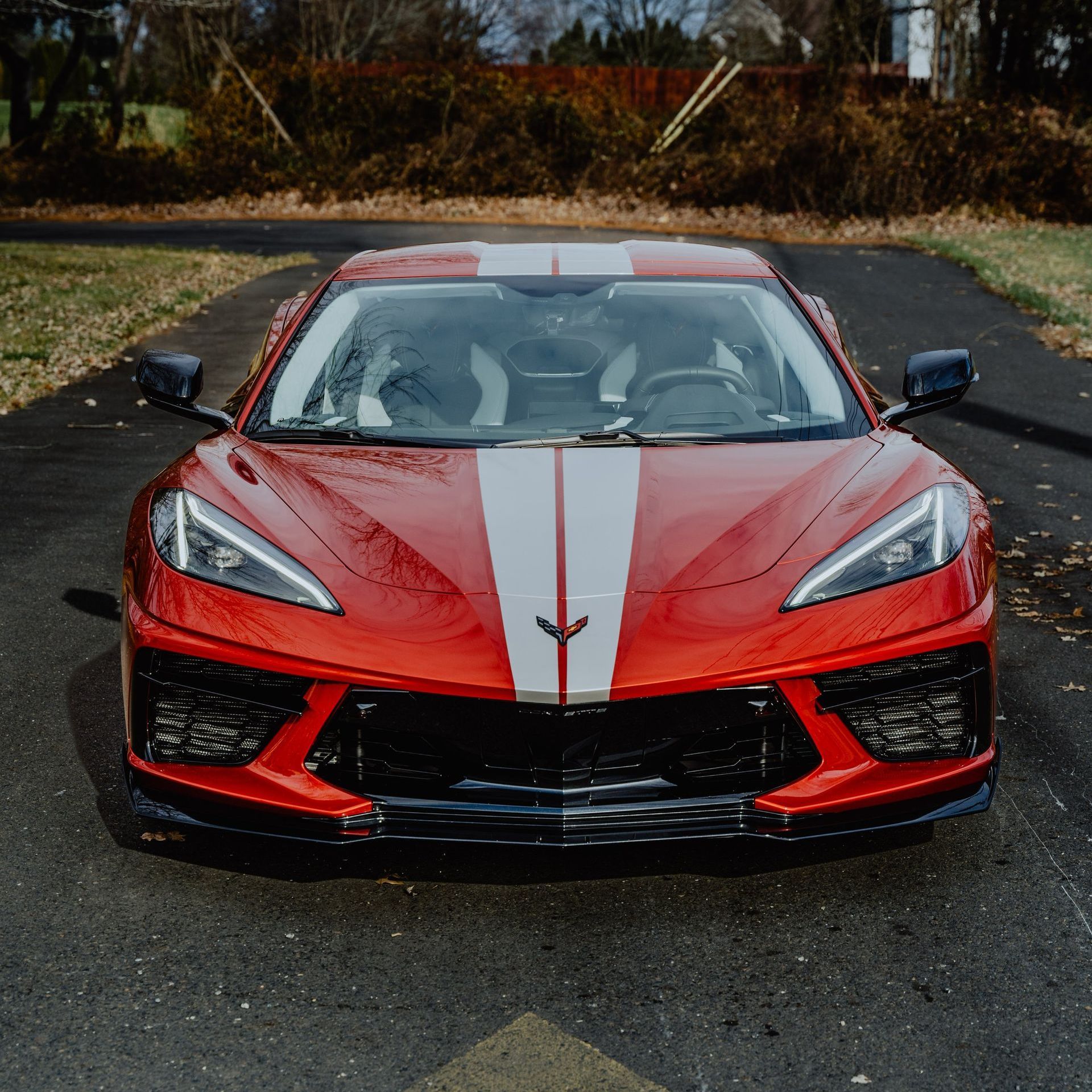
Another key advantage is the superhydrophobic nature that ceramic coatings impart to your car's finish. Water beads roll off effortlessly, taking dirt and grime with them so your paint stays cleaner longer and washing becomes less frequent and much easier. This water-repelling effect also helps protect against stubborn stains caused by bird droppings, tree sap, and road salts, which are common culprits behind paint damage when left unaddressed. The durability and multifaceted protection offered explain why many car enthusiasts invest in professional-grade ceramic coatings despite the higher upfront cost compared to waxing or sealants. Certified detailers apply coating layers engineered precisely for toughness and gloss retention over several years, sometimes as long as five to seven years with proper care. This longevity reduces the recurring time, effort, and expense involved in constant maintenance.
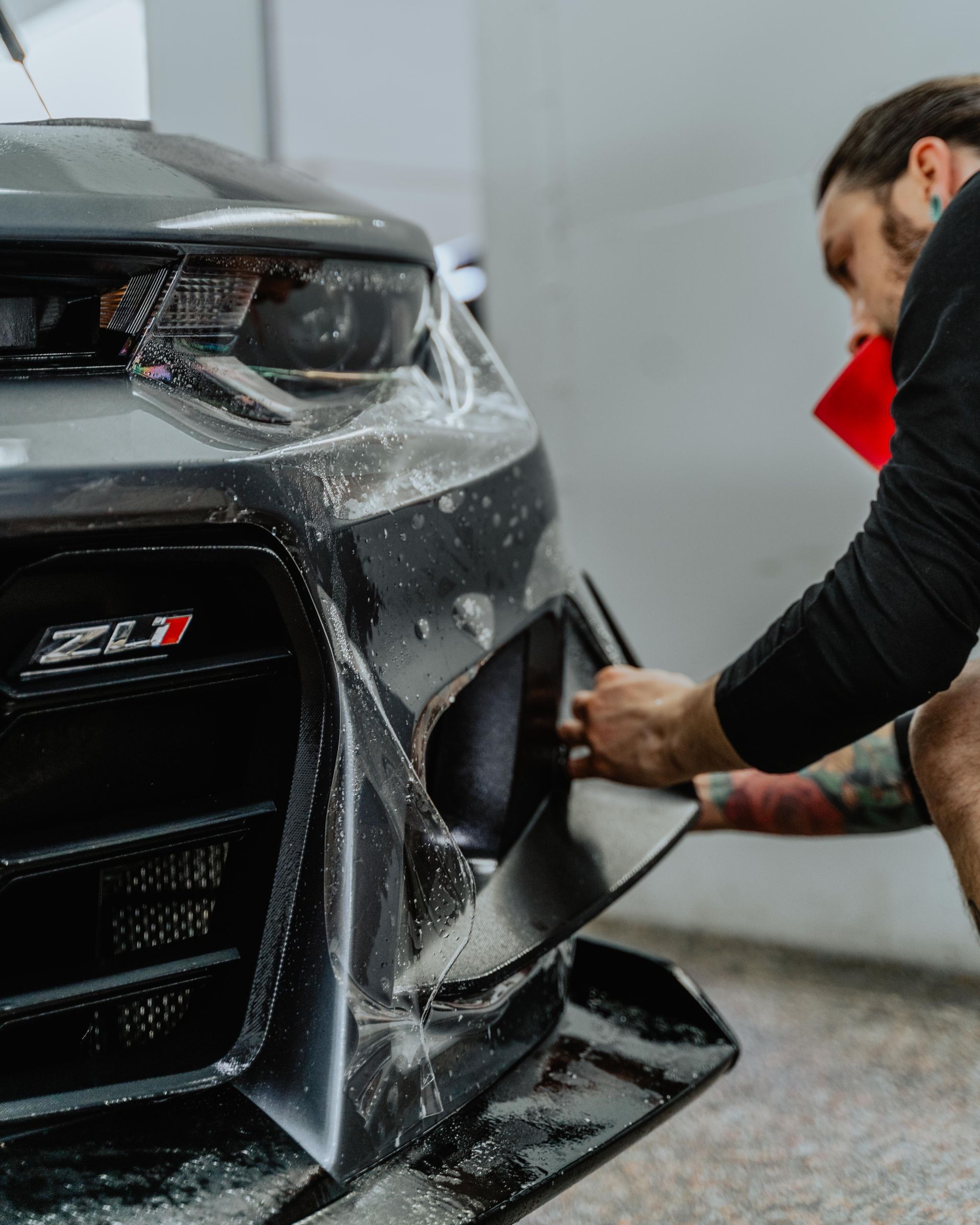
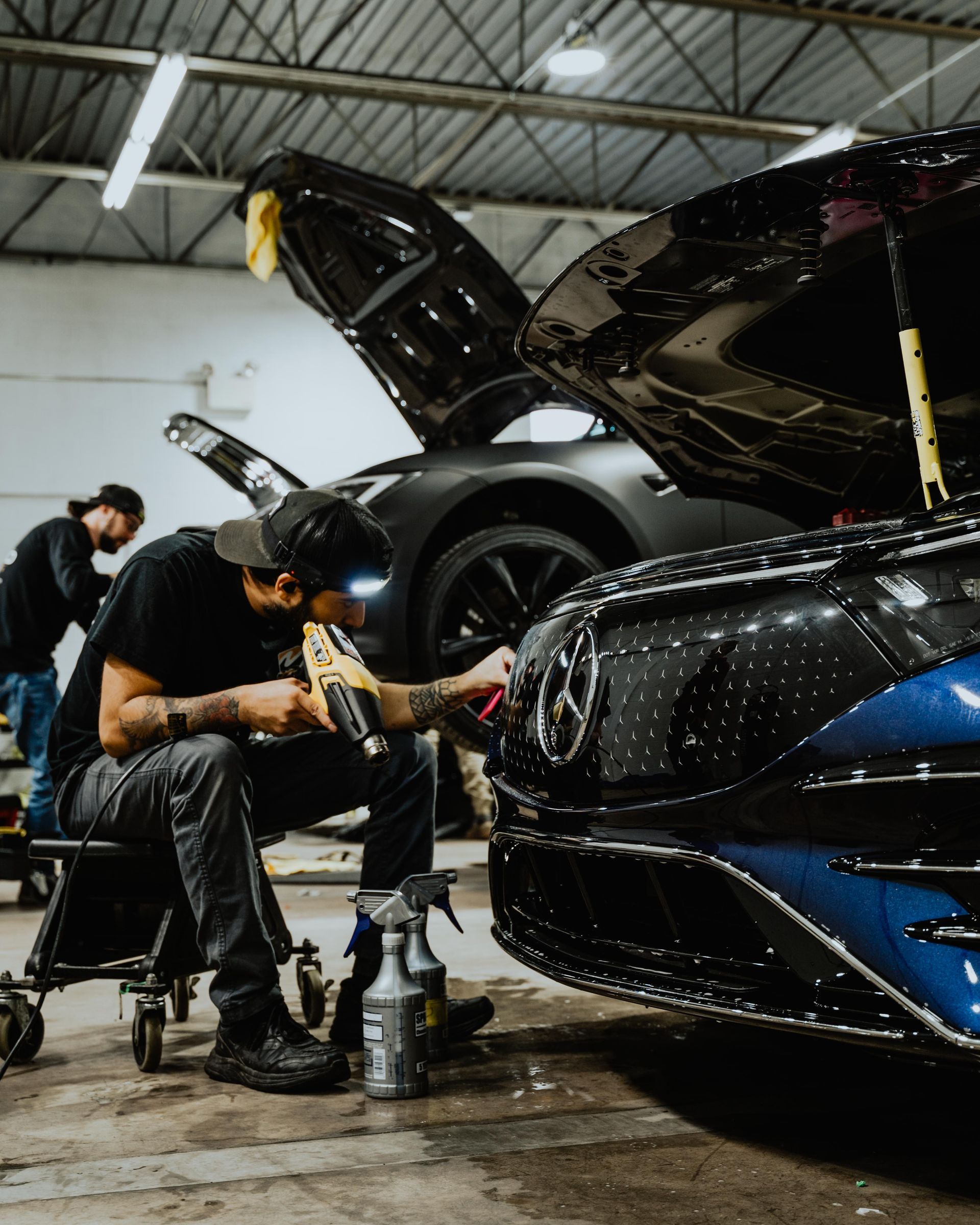
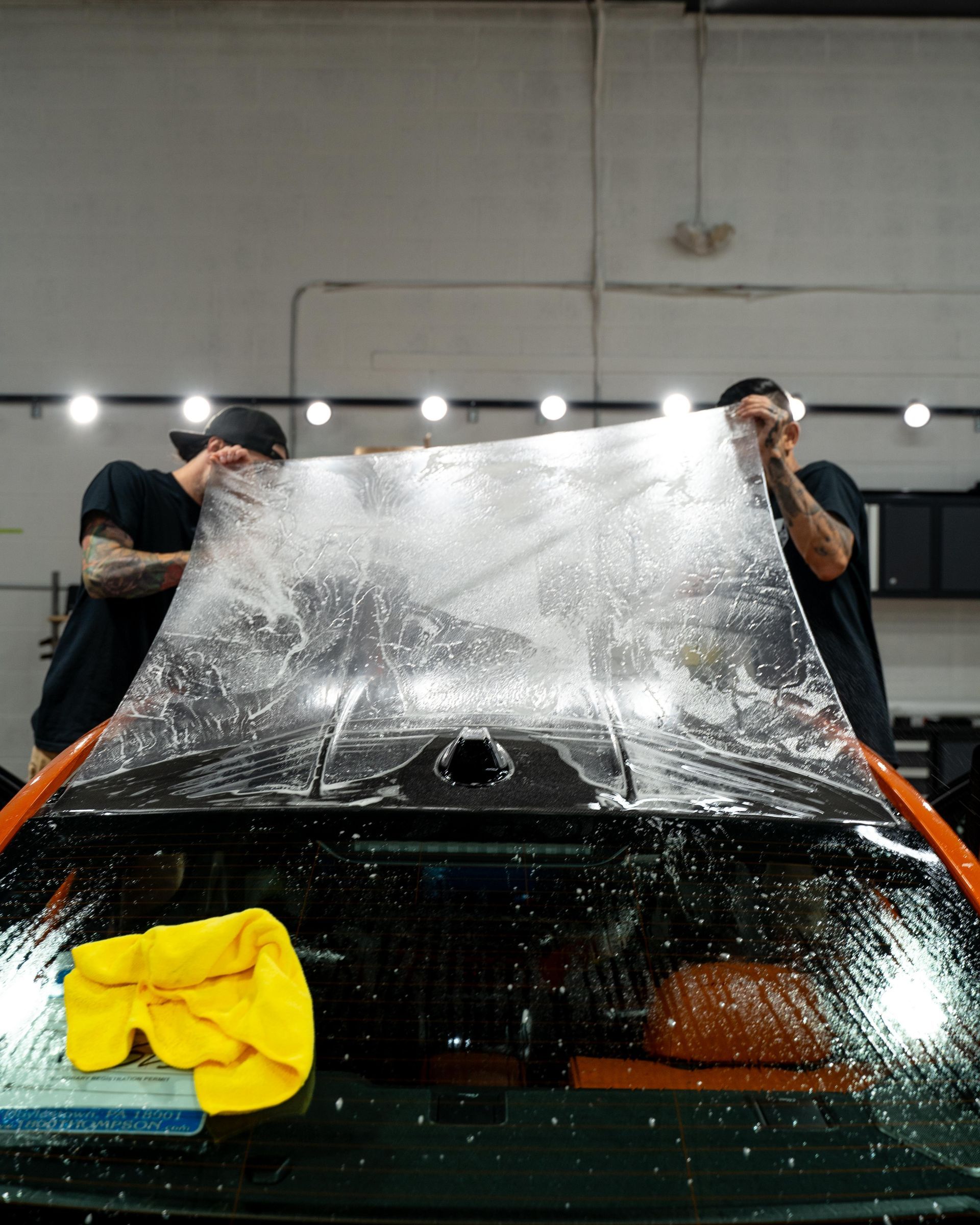
Application itself is more intricate than simply wiping on wax. It involves meticulous prep work like polishing out imperfections and decontaminating the paint surface to ensure an even, flawless bond with the coating product. After applying multiple thin coats, the vehicle requires curing time, usually 24 to 48 hours under controlled conditions, to solidify its protective properties fully. However, no coating is completely maintenance-free. Maintaining this glossy shield means gentle washing routines every week or two using pH-neutral shampoos and soft cloths that won't damage the surface. Routine inspections catch early signs of wear or contamination that might need a quick touch-up application to maintain optimal hydrophobicity and UV defense. Ceramic coatings represent a leap forward in vehicle preservation technology. They don't just enhance shine but create a durable armor against fading, chemical attack, and dirt accumulation, all while making ongoing cleaning easier. Understanding these benefits alongside necessary upkeep helps owners fully enjoy their investment over multiple years without costly repainting or polishing sessions eating into value.
Application Techniques for Vehicles
The process begins well before you even touch the ceramic coating bottle. Surface preparation is absolutely vital; think of it as laying a clean, smooth canvas before painting a masterpiece. Washing the vehicle thoroughly with a pH-neutral soap eliminates loose dirt and grime, but that's only the start. Embedded contaminants like tar, sap, or microscopic iron particles can't be washed away with just soap and water. Clay bars or specialized iron removers gently lift these particles off the paint surface without causing damage, ensuring the coating will bond properly. Neglecting this step is like applying varnish over dust; it won't adhere evenly, reducing effectiveness and shortening durability. After cleaning, the surface rarely looks perfect at first glance due to light imperfections or oxidation from regular wear and tear. Paint correction becomes important at this stage. By carefully polishing with orbital polishers and correcting compounds, you create a smooth finish. This polishing is essential because ceramic coatings lock in whatever lies beneath them, including flaws, making mistakes more visible rather than hiding them.
Now that your paintwork is pristine, the actual ceramic coating application requires patience and precision. Apply the coating in small sections, typically around 2 feet square, to maintain control over coverage. Use a microfiber or foam applicator pad to spread a few carefully measured drops evenly over each section with crosshatch strokes. This technique ensures uniform distribution without excess that causes streaking or uneven curing. Once applied, watch closely for the flash period, a brief interval during which the coating interacts with the surface and begins curing. Depending on the product and environmental conditions like temperature and humidity, this can last from one to three minutes. You'll notice subtle visual clues such as a rainbow effect or oily haze forming on the paint. Timing is critical: wipe off the excess coating promptly using a clean microfiber towel with gentle pressure to avoid residue buildup.
After completing these small sections systematically over your entire vehicle, curing becomes paramount. The coating needs time to chemically bond and harden into a tough protective layer. Ideally, it should remain dry and undisturbed for at least 24 hours, and better yet, 48 hours, for full hardness and resistance. During this window, avoid washing or exposing the car to rain as water spots can interfere with proper bonding. For best results, choose an environment between 15°C and 25°C with low humidity during application to prevent improper curing. Avoid direct sunlight and windy conditions that speed up drying too quickly or introduce dust. Follow manufacturer guidelines meticulously regarding the number of coats; often one or two layers suffice for optimum protection.
Key Benefits of Ceramic Coating
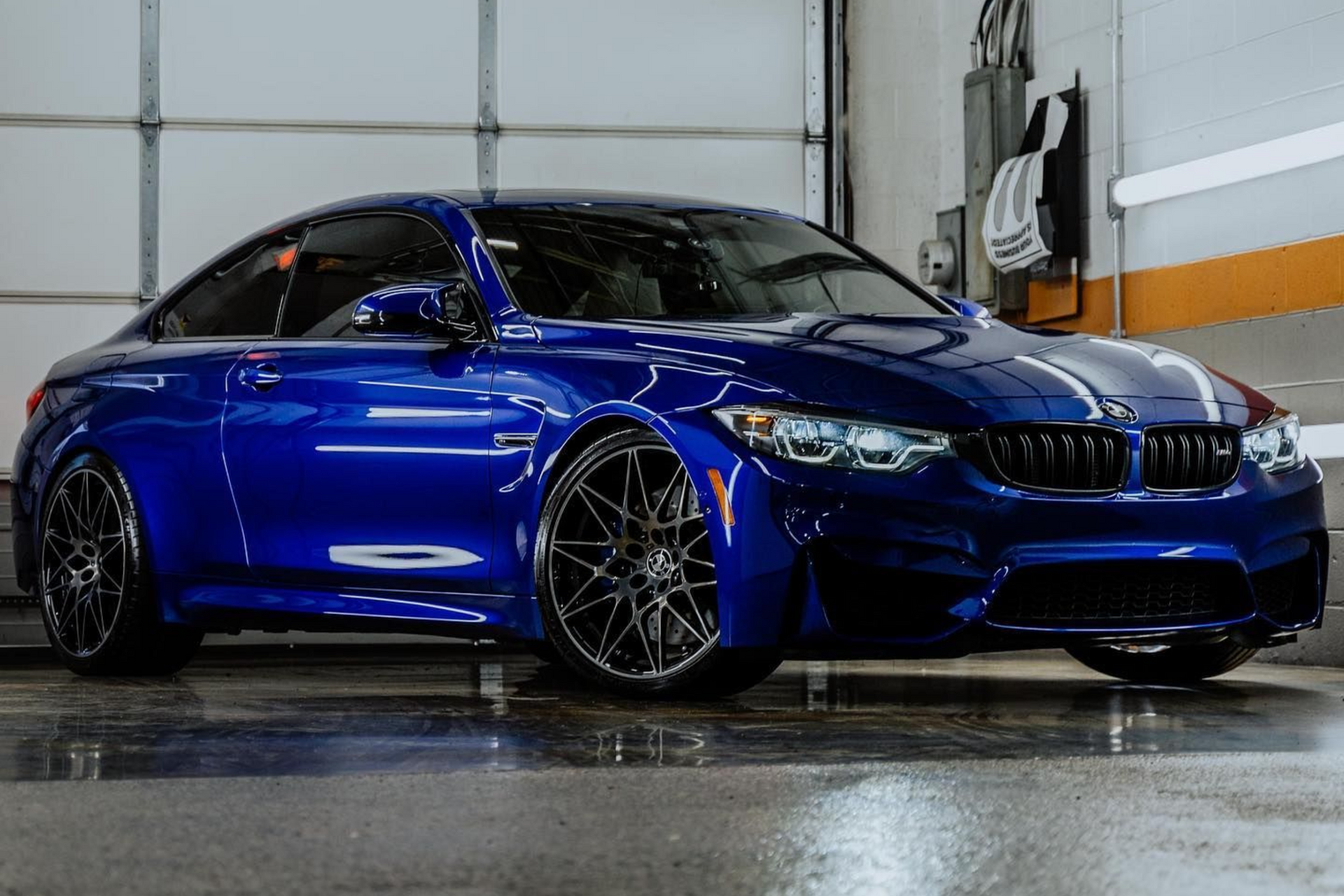
Ceramic coating creates a robust shield that goes far beyond what traditional wax or sealants offer. Unlike these quick-fix products that wear down in weeks or months, ceramic coatings bond chemically with your vehicle's paint, providing a layer of protection that lasts for years. This isn't just about aesthetics; it's about defending your investment against daily hazards. One of the most powerful benefits is how ceramic coatings guard against environmental contaminants. Bird droppings, tree sap, road salt, and even water spots can cause serious damage when left untreated. These elements can etch into your paint, causing stains or corrosion that are costly to repair. The coating acts like an invisible force field, preventing such damage by making it difficult for contaminants to adhere strongly to the surface.
Protection from environmental hazards isn't the only advantage; the coating's defense against UV radiation is equally impressive. Vehicles treated with ceramic coatings experience significantly less paint fading and oxidation caused by sun exposure. This advantage happens because the coating contains UV inhibitors, special ingredients designed to absorb and deflect harmful ultraviolet rays. This feature is especially valuable if you park your car outdoors regularly or live in sunny climates where paint deterioration accelerates dramatically. The hydrophobic nature of ceramic coatings means water doesn't spread out or linger; rather, it forms tight beads that roll off quickly, taking dirt and grime along with it. This property reduces scrubbing effort significantly, helping maintain a cleaner surface with minimal labor. This strong water resistance also protects against acid rain and other chemical contaminants with low pH levels, which can otherwise etch into paint surfaces over time.


Weather and UV Resistance
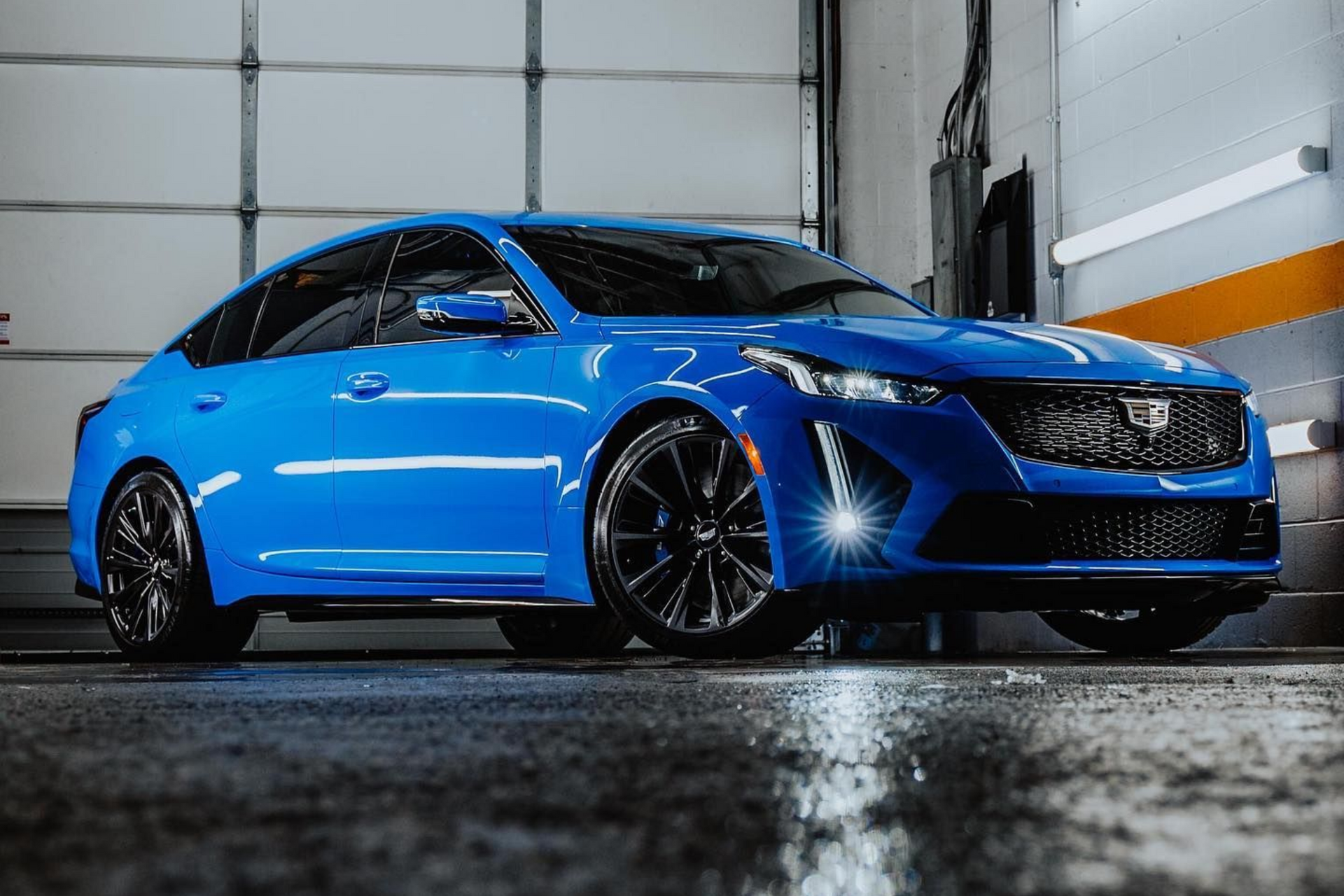
The sun's ultraviolet radiation is one of the toughest enemies your vehicle's paint has to face. Without adequate protection, UV rays penetrate the paint surface, causing color fading and oxidation that gradually dulls the vibrant finish. Ceramic coatings act like sunscreen for your car, forming a chemical and physical shield that blocks harmful UV rays, dramatically slowing down the aging process of your paintwork. What makes this protection impressive is not just the immediate barrier but also its longevity. Whereas traditional waxes degrade quickly under sun exposure, ceramic coatings maintain UV resistance for an average of three to five years before needing reapplication.
Moreover, ceramic coatings help reduce surface temperatures under direct sunlight, minimizing heat-related paint stress. Beyond sun protection, ceramic coatings stand strong against various weather challenges. Rain, snow, road salts, and temperature extremes are no match for their robust molecular structure. In winter, when salt is liberally spread on roads, unprotected paint surfaces can corrode rapidly. A ceramic coating's chemically bonded layer acts as a resilient shield, keeping corrosive salts from reaching the paint beneath while allowing easy wash-off during routine cleaning. Heavy rain or prolonged moisture won't seep into the paint surface thanks to the coating's superior hydrophobic properties. Water beads and rolls off swiftly, taking dirt particles along with it, effectively reducing staining and preventing water spots.
Maintenance for Long-Lasting Protection
Maintaining a ceramic-coated vehicle is surprisingly straightforward compared to the frequent care waxing demands. The key lies in gentle, consistent attention that respects the integrity of the protective layer. Washing your vehicle with a pH-neutral shampoo is paramount. Harsh detergents or acidic cleaners can gradually wear down the coating, dulling its shine and reducing its hydrophobic qualities. Using a foam gun during a touchless wash creates a thick blanket of suds that gently lift dirt away. Once washed, drying with soft microfiber towels reduces the risk of introducing fine imperfections.
Regular inspections every few months play a critical role in preserving your coating's effectiveness. A simple water beading test can tell you if the coating is still repelling water strongly. Avoiding automated car washes prolongs your ceramic coating's life. The brushes used in many automated systems can strip away protective layers over time. Hand washing grants full control, significantly decreasing risks of damage. Protecting the coating also means being mindful of environmental exposure. Whenever possible, shade or covered parking shields your vehicle and extends the life of the ceramic layer.
Another maintenance cornerstone is performing clay bar treatments once or twice yearly. Over time, bonded contaminants embed in the surface despite washing. Clay bars delicately lift these particles without damaging the coating beneath. When choosing cleaning products, ensure they fall within a pH range of 6 to 8 to maintain coating stability. Routine care may sound tedious, but think of it as investing a little effort in years of stunning gloss and easier cleaning. Regular upkeep keeps your vehicle looking spectacular and safeguards your investment. With proper maintenance, ceramic coatings offer peace of mind by shielding your vehicle with durable armor that keeps it looking new through changing seasons and conditions.
Trusted Ceramic Coating Protection in West Chester, PA
If you’re ready to protect your vehicle with a solution designed for durability, Menard Premium Detailing delivers
professional ceramic coating services tailored to real-world driving conditions in West Chester, PA. Their team focuses on thorough surface preparation and precise application to ensure the coating bonds correctly and performs as intended over time. The result is a vehicle that stays cleaner longer, resists UV exposure and environmental contaminants, and requires less effort to maintain.
Schedule your ceramic coating service
with Menard Premium Detailing today to give your vehicle dependable, long-term protection you can rely on!