Paint Protection Film Coverage Options for Modern Vehicles: Types, Benefits, and Cost Guide
Protecting your car's paint is not just about keeping it looking nice; it is about saving money and avoiding hassle down the road. Whether you drive on rough highways or just around town, tiny chips and scratches happen more often than you think. Paint protection film (PPF) acts like a clear shield that guards your vehicle's finish from everyday dangers, helping you maintain that fresh-from-the-factory shine for longer. In this guide, we break down the main types of coverage available, explain their benefits, and outline what you can expect to pay, so you can pick the right protection for your vehicle without any confusion.
What Is Paint Protection Film?
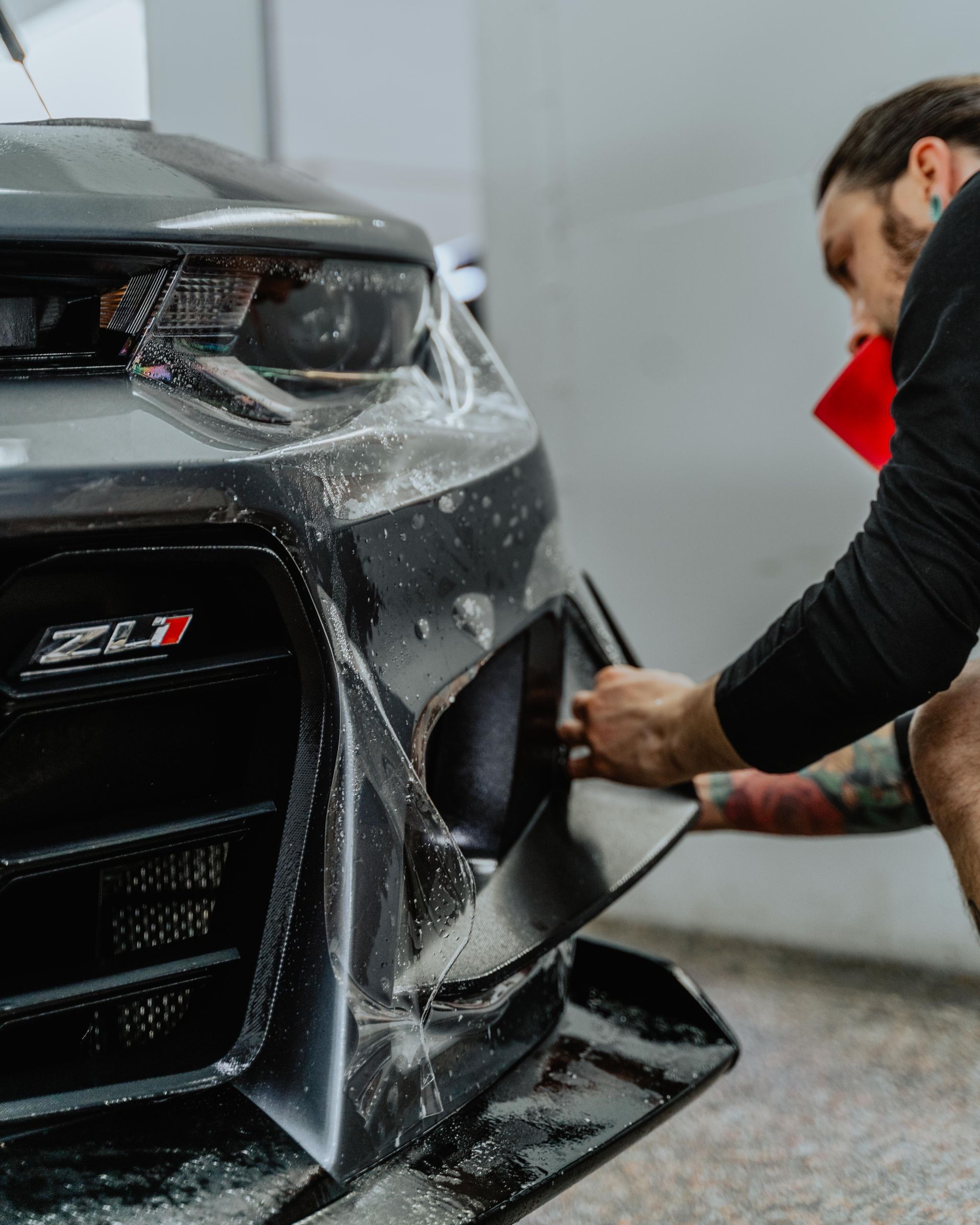
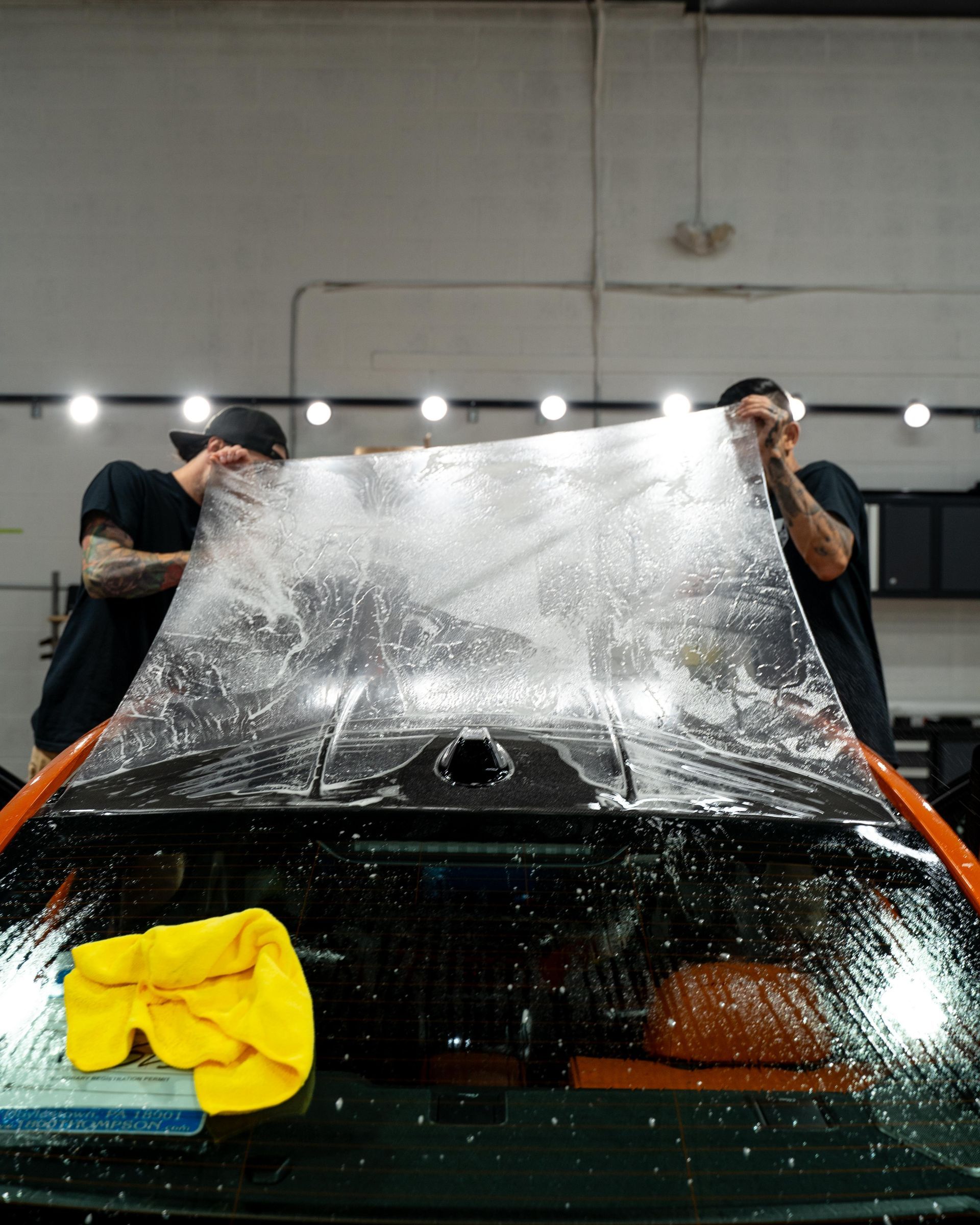
Paint protection film is a transparent, thermoplastic urethane layer applied directly to your vehicle's painted surfaces. It absorbs the impact of road debris, resists environmental contaminants, and even features self-healing properties that erase minor scratches under heat. Beyond physical protection, quality PPF also guards against UV-related oxidation and chemical stains, keeping your paint vibrant and intact for years. Coverage options generally fall into four categories: full vehicle protection, front-end defense, targeted area shielding, and custom film applications. Each balances protection level, cost, and installation time differently.
Full Vehicle Protection
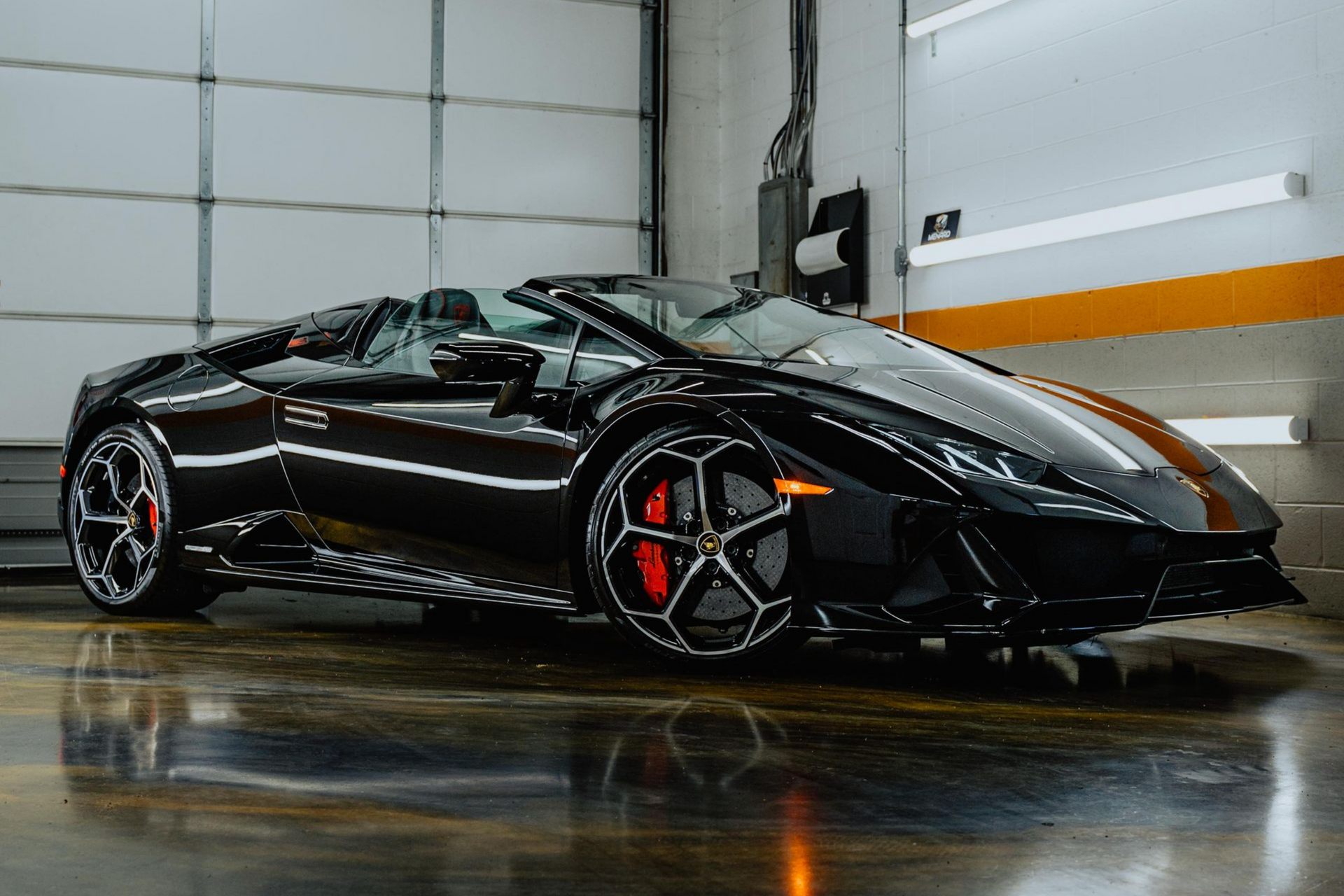
Full vehicle protection means covering every painted surface of your car, including the hood, fenders, doors, rear panels, and roof. This comprehensive approach guards against road debris, parking lot scratches, bird droppings, tree sap, and UV damage. For owners of high-end or collectible vehicles who want to maintain showroom-quality paintwork, full vehicle protection offers unmatched peace of mind. Installation typically spans two to four days due to the precision required to handle curves, edges, and recessed areas properly. Because of the labor intensity and volume of material used, this is the most expensive option, generally ranging from $5,000 to $10,000 or more.
While the upfront cost is significant, the long-term payoff is equally notable. Vehicles with well-maintained exteriors supported by PPF tend to command resale prices considerably higher than those without protection. This makes full coverage less of an expense and more of a strategic investment, particularly for owners who drive frequently on debris-prone highways or simply want total confidence that their vehicle's finish will stay pristine. That said, full coverage is not for everyone. Daily drivers who rotate vehicles frequently or park primarily in low-risk environments may find it excessive. Film will eventually need replacement after several years, which adds another financial consideration over time.

Front-End Defense
For many drivers, front-end coverage strikes the ideal balance between cost and effective protection. This option focuses on the most vulnerable and visually exposed parts of your vehicle: the hood, front bumper, fenders, side mirrors, and sometimes the headlights. These are the areas most exposed to flying gravel, road debris, bug strikes, and airborne particles thrown up by other vehicles. Front-end PPF installation typically takes four to twelve hours depending on the scope. Covering just the hood and bumper may be completed in half a day, while adding fenders and mirrors extends the timeline.
The cost generally falls between $1,200 and $2,500, reflecting both materials and the skilled labor required for a clean, lasting finish. This option is particularly well-suited to highway drivers who regularly encounter loose stones and road grit. For those who want meaningful protection without the commitment of a full-body application, front-end defense provides reliable coverage where damage is statistically most common. Pairing this with a ceramic coating on the remaining surfaces can further extend your paint's durability at a manageable total cost.
Targeted Area Shielding
Targeted area shielding is all about making smart choices and protecting only the parts of your car that take the brunt of daily wear. Instead of committing to extensive coverage, this approach focuses on specific zones prone to damage, such as door edges, side mirrors, rocker panels, or the rear bumper. Door edges, for instance, frequently suffer chips and scuffs in tight parking spaces. Side mirrors stick out and commonly brush against branches, walls, or other vehicles. Rocker panels and rear bumpers face constant exposure to road debris and loading activity. Applying PPF to these areas prevents damage in the spots that matter most to your daily driving experience without requiring a large upfront investment.
Costs for targeted applications vary by zone. Door edge protection typically runs $200 to $400 per pair, side mirrors $150 to $300, and rear bumpers or rocker panels $400 to $800 each. Installation for these smaller areas is generally completed within four to eight hours. Most installers also offer warranties of five to ten years on targeted work, providing solid assurance for the investment made. This approach also supports phased installation. You can start with your most vulnerable areas and add protection gradually as your budget allows, building comprehensive coverage over time rather than all at once.
Custom Film Applications
Custom film applications take personalization a step further. Rather than choosing a predefined coverage package, you work directly with an installer to identify exactly which areas of your vehicle need protection based on your driving habits, environment, and aesthetic preferences. This is particularly appealing for owners of luxury or performance vehicles where maintaining the original styling is a priority. You might opt to shield side skirts and spoilers while leaving the roof and doors untouched or concentrate coverage on areas exposed during track use or off-road driving.
The film conforms to your vehicle's unique lines and contours, protecting without overwhelming its design. Pricing for custom applications reflects the bespoke nature of the work. Simpler configurations can start around $800, while more complex multi-panel arrangements involving intricate cuts and high-performance film can reach $3,500 or more. Installation time ranges from a few hours for focused work to one or two days for more extensive custom layouts. The key is aligning your priorities with a realistic budget and communicating them clearly to your installer from the outset.
Choosing the Right Coverage and Installer
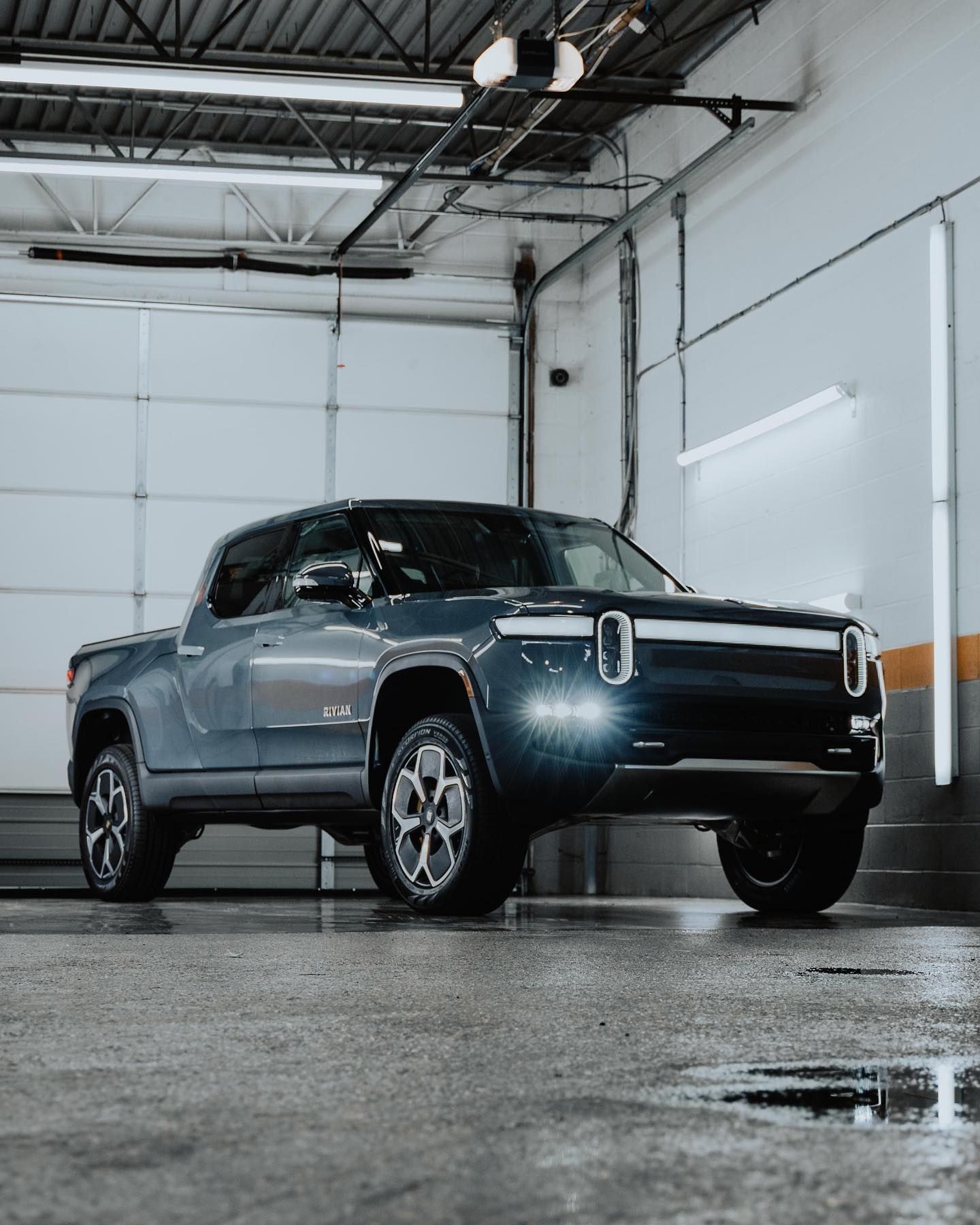
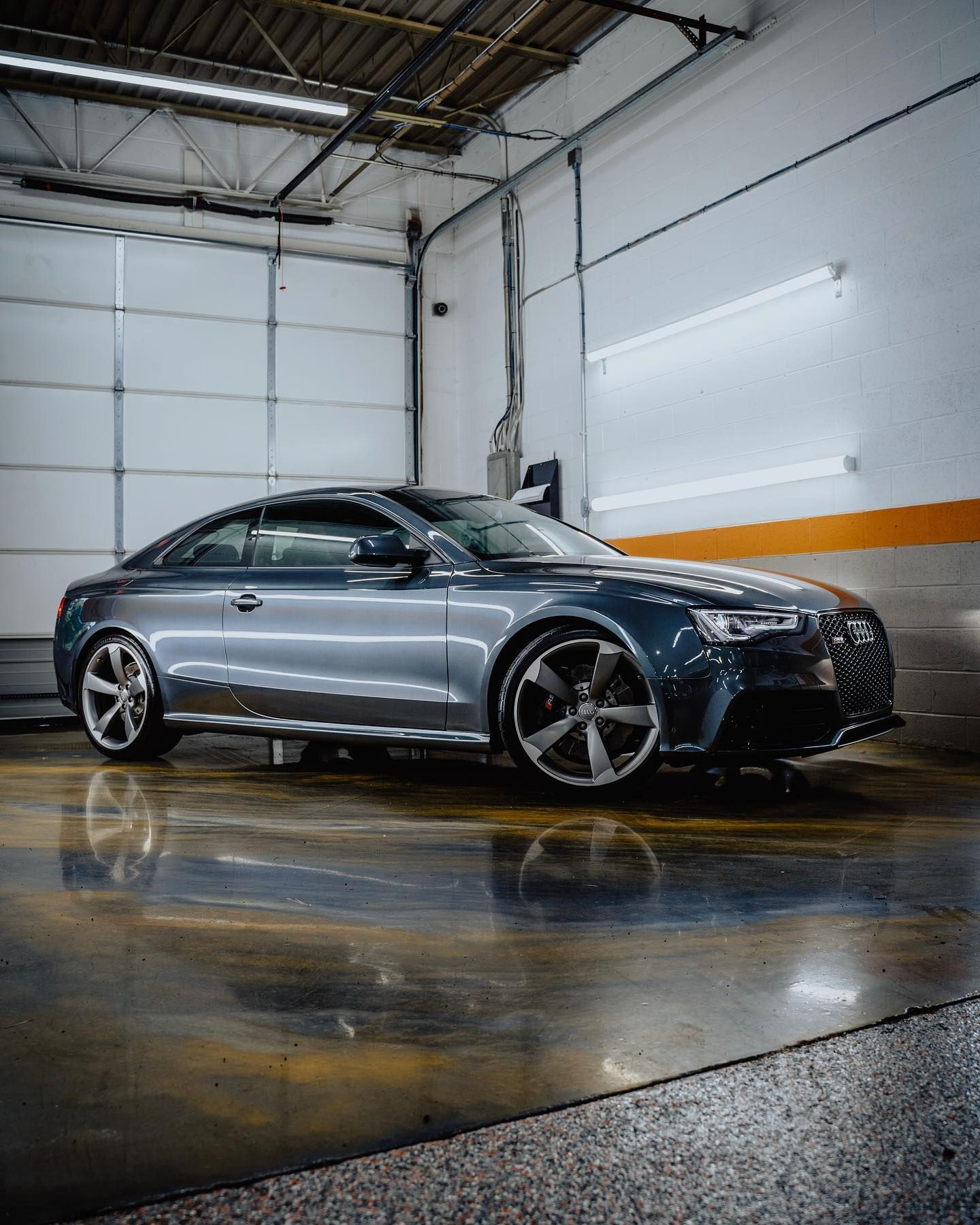
Selecting the right level of coverage depends on three main factors: your driving environment, your budget, and how long you plan to keep the vehicle. Highway drivers in debris-heavy areas benefit most from front-end or full coverage. Urban commuters navigating tight parking situations may prioritize door edges and bumpers. Owners planning to sell or trade in their vehicle within a few years will want to weigh the resale value benefits of more comprehensive protection.
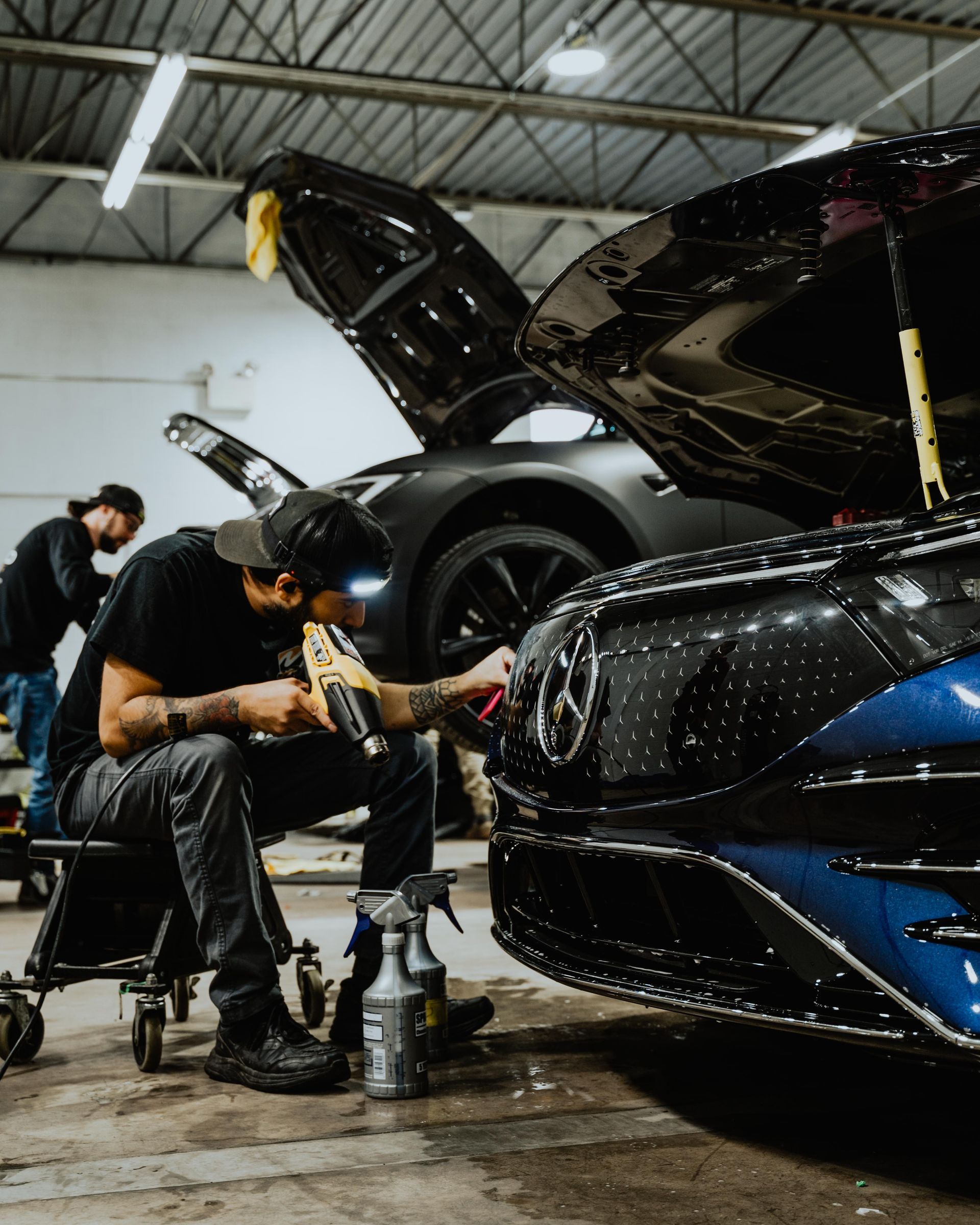
Equally important is the quality of the installer. Even the highest-grade film will underperform if applied incorrectly. Bubbling, peeling, and poor edge adhesion are all consequences of rushed or unskilled installation. When evaluating installers, look for a strong portfolio of completed work, positive reviews from previous customers, and manufacturer certifications that confirm formal training and adherence to quality standards. Certified professionals may charge more upfront, but their work is backed by better warranties and a lower rate of application failures over time. Always prioritize reputation and track record over price alone.
Long-Term Value
Paint protection film is one of those rare automotive investments that continues to pay off over time. Quality PPF can last five to ten years with proper care, maintaining both the visual appeal and surface integrity of your vehicle. Regular washing with pH-neutral soap and occasional waxing helps preserve the self-healing topcoat, extending the film's service life and keeping your paint looking its best. From a financial standpoint, vehicles with protected exteriors consistently hold stronger resale values. A pristine finish signals careful ownership and fewer hidden issues to prospective buyers, translating into real dollars recovered at the point of sale. Combine that with reduced spending on paint touch-ups and repairs over the ownership period, and the math makes a compelling case for investing in PPF at whatever coverage level fits your situation.
Ultimately, the best protection plan is the one that matches your lifestyle and your vehicle's needs. Whether you choose full coverage, front-end defense, targeted shielding, or a custom configuration, the goal remains the same: keeping your vehicle looking newer for longer and protecting the value you have invested in it.
Paint Protection Film Experts in Philadelphia, PA
Choosing the right paint protection film coverage is only part of protecting your vehicle. Professional installation ensures the film performs properly and blends seamlessly with your car’s finish. Menard Premium Detailing offers
trusted paint protection film services in Philadelphia, PA, helping drivers protect their vehicles from road debris, environmental contaminants, and everyday driving conditions. Our experienced team carefully prepares each surface and installs high-quality film designed to keep your vehicle looking clean and well protected.
Schedule your paint protection film service today and give your vehicle reliable protection on the road!